
Brand Imagery Guide: Elevate Your Visual Identity in 2026
Imagine your audience recognizing your business before you say a single word. That spark of immediate recognition is the power of brand imagery at work.
As we move into 2026, brand imagery is more than a logo or a color palette. It becomes the heartbeat of your visual identity, anchoring trust and memorability in a crowded digital world.
This guide is your roadmap to elevating your visual presence. You’ll learn how to use brand imagery strategically, to captivate, connect with, and convert your ideal customers.
We’ll explore what brand imagery is, why it matters now more than ever, the essential elements and trends shaping 2026, a step-by-step approach to defining your identity, and real-world examples that inspire transformation.
Understanding Brand Imagery: Foundations and Definitions
Imagine walking into a room and recognizing a brand before you even see its name. That’s the silent strength of brand imagery. It goes far beyond logos or colors. Brand imagery is the collection of visuals and sensory cues that instantly signal a brand’s presence, shaping how people feel and remember it.
What Is Brand Imagery?
Brand imagery is the sum of all visual and sensory elements that people associate with your brand. This includes not only your logo, colors, and typography, but also the feelings, tastes, sounds, and textures linked to your business.
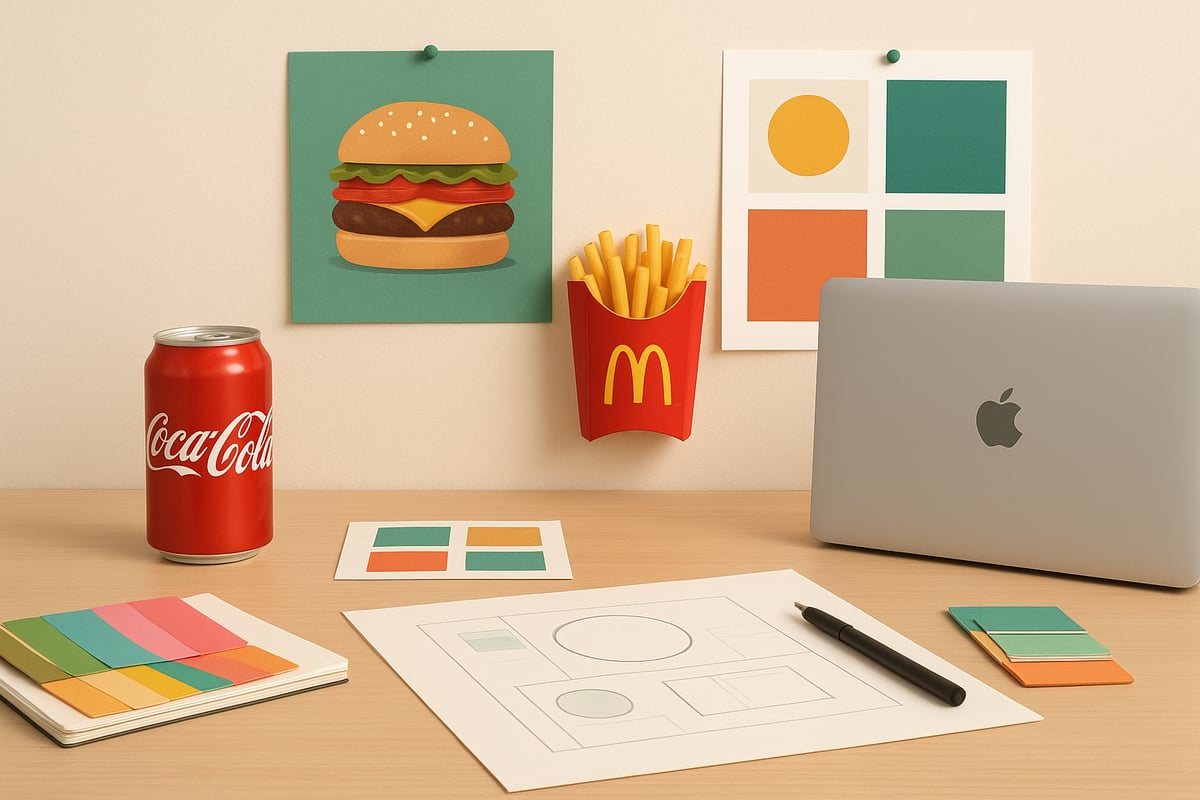
It’s different from brand image, which is how people actually perceive you, and brand identity, which is your chosen visual system. Brand imagery actively shapes consumer impressions and emotions, often before a single word is spoken. Think of Coca-Cola’s vibrant red, McDonald’s golden arches, or Apple’s sleek, minimalist devices. Even the sound of a soda can opening or the feel of premium packaging becomes part of the brand imagery experience.
Why Brand Imagery Matters in 2026
In 2026, digital platforms are more visual than ever, and attention spans are shrinking. People crave fast, authentic connections with brands. Brand imagery is at the front line, helping you break through the noise with visuals that feel real and human.
Modern audiences expect brands to reflect authenticity, inclusivity, and emotional depth. Strong brand imagery builds trust and makes your business memorable. Did you know that 90% of information processed by the brain is visual? This means your visuals are your first handshake. Effective brand imagery drives higher engagement, conversion, and loyalty, making it essential for growth.
Key Differences: Brand Imagery vs. Brand Image
Brand imagery is what your team creates and shares: logos, photos, packaging, and digital assets. Brand image, on the other hand, is the collective perception your audience holds about you.
Here’s a quick comparison:
Brand imagery influences brand image, but never fully controls it. The two must align for your brand to thrive.
The Psychology Behind Brand Imagery
Brand imagery works because it taps into our psychology. Visuals trigger emotions and help us form memories. Color choices, shapes, and storytelling techniques all play a role in how people recognize and trust a brand.
Consistent imagery builds familiarity, which leads to trust over time. According to Visual Branding Psychology Statistics 2025, visuals can boost message retention by up to 65 percent. Brands like Apple and Nike use these principles to stay top-of-mind, making every visual touchpoint count.
Core Elements of Effective Brand Imagery
Effective brand imagery is more than just a logo or a color scheme. It’s the collection of visual cues that quietly tell your story, shape perceptions, and create instant recognition. Let’s break down the essential building blocks that make your brand imagery unforgettable.
Visual Components: Logos, Colors, Typography, and More
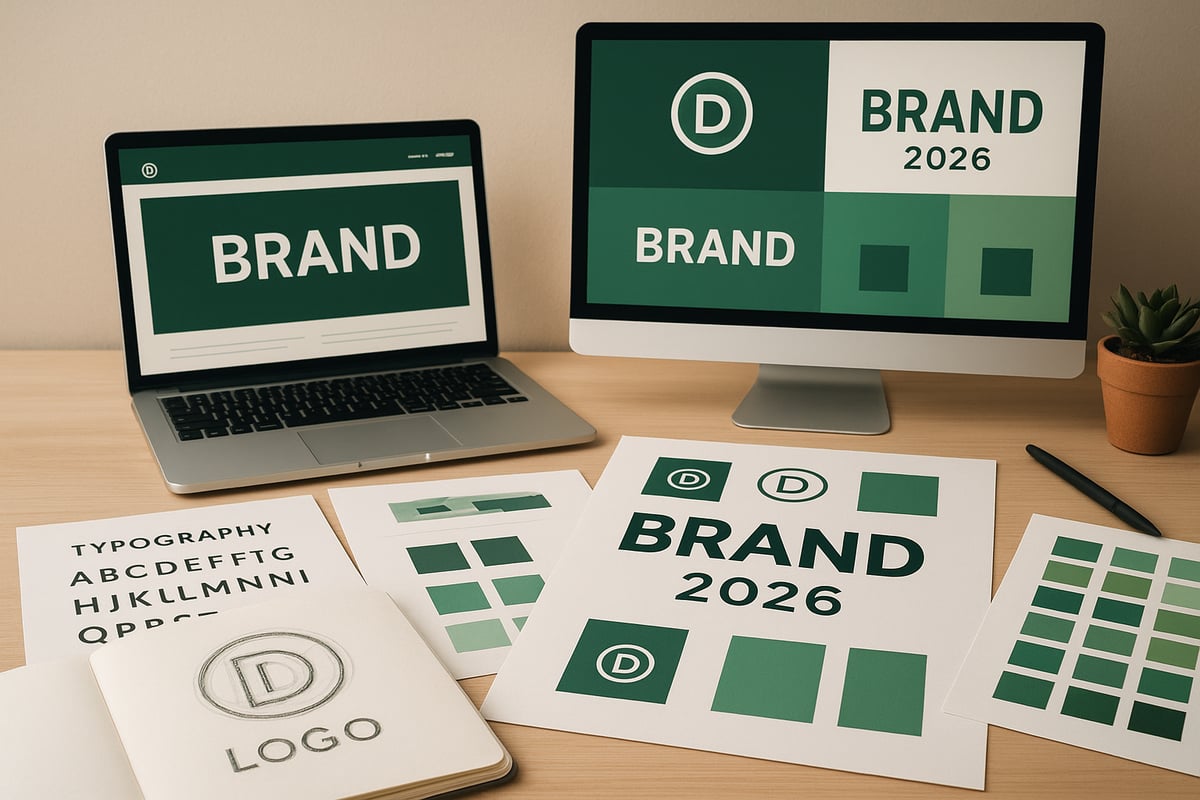
At the heart of brand imagery are the elements you use every day: your logo, color palette, and chosen typefaces. Each one acts as a visual shorthand for your brand’s personality.
Think about Nike’s swoosh, the boldness of its black and white palette, or the clean lines of its typography. These components don’t just look good, they tell a story and stay consistent across every touchpoint.
Consistency is key, which is why most successful brands rely on a detailed style guide. If you want to keep your brand imagery sharp, explore style guide best practices to see how the pros do it. Locking in these basics builds the foundation for trust and recognition.
Photography, Illustration, and Iconography
Photography brings your brand imagery to life. The style you choose, candid, polished, or documentary, sets the tone for how your audience feels about you.
Custom illustration can add personality and set you apart from the stock-photo crowd. Stripe, for example, uses playful illustrations that make complex topics feel accessible and human. Iconography is another subtle brand imagery tool, guiding users through digital experiences with ease.
When these visual cues work together, they create a consistent language that feels familiar and welcoming.
Video, Animation, and Motion Graphics
In 2026, video is no longer optional. Motion is now a core part of brand imagery, from short social clips to micro-animations that bring your website to life.
Think about MeUndies’ quirky animated campaigns—they create an emotional connection and keep people engaged. Motion graphics add depth, allowing you to tell stories in new ways.
Use video and animation to build momentum, show personality, and give your brand imagery a dynamic edge. The right movement can turn a passive viewer into an active fan.
Composition, Filters, and Backgrounds
How you arrange your brand imagery matters as much as what you show. Consistent composition—where elements sit, how much space they occupy—gives your visuals a signature look.
Filters and color treatments can set a mood or echo a specific era. Backgrounds, even when subtle, offer context and reinforce your identity. The New York Times, for instance, uses editorial layouts that immediately signal credibility and focus.
These choices, though often invisible, have a powerful effect on how your brand imagery is remembered.
UI Components and Interactive Elements
Your digital products are full of small moments where brand imagery makes a difference. Buttons, forms, and micro-interactions are more than functional—they’re opportunities to express your values.
Sanvello’s calming interface, for instance, uses soft colors and gentle animations to support mental health. Accessibility and inclusivity must guide every decision, ensuring your brand imagery reaches everyone.
By weaving your visual identity into every interaction, you create a seamless experience that feels both intentional and human.
2026 Trends and Innovations in Brand Imagery
Brand imagery in 2026 moves beyond static visuals. It becomes a living reflection of culture, technology, and evolving values. This year, the most memorable brands will be those that adapt their imagery to resonate with real people, real stories, and real-world impact. Let’s explore the trends shaping this new era.

Authenticity, Diversity, and Inclusion
In 2026, audiences crave brand imagery that feels honest and human. Stock photo perfection is out. Instead, brands spotlight real people, authentic moments, and a full spectrum of identities and experiences.
- Brands like Nudie Jeans use inclusive campaigns, showing people of all backgrounds and body types.
- Avoiding tokenism means going deeper than surface-level representation.
- Cliché visuals are replaced by genuine stories and lived realities.
Brand imagery rooted in authenticity builds trust. It signals that a brand sees, hears, and values its audience. The most successful brands invest in visuals that reflect the true diversity of their community.
AI-Generated and Personalized Visuals
AI is transforming brand imagery. Brands now use AI tools to generate fresh visuals, automate curation, and even personalize images for segmented audiences. This shift allows for dynamic, ever-changing content that adapts to user data and context.
- 60% of brands plan to invest in AI-driven design by 2026.
- AI can produce unique visuals at scale, freeing up creative teams.
- The challenge is balancing automation with genuine human creativity.
For more on emerging branding trends, including how AI is influencing brand imagery, check out Top Branding Trends for 2026. The future belongs to brands that blend tech with true insight.
Sustainable and Ethical Visual Storytelling
Sustainability is no longer optional in brand imagery. In 2026, visuals must reflect a brand’s environmental and ethical commitments. Audiences expect transparency, from the materials shown to the stories told.
- Patagonia leads with environmental storytelling, making sustainability visible.
- Brands communicate values through images of eco-friendly practices and products.
- Ethical sourcing and honest representation are key.
Brand imagery rooted in ethics connects with conscious consumers. It speaks to what matters and invites people to be part of a larger purpose.
Immersive and Multi-Sensory Experiences
Brand imagery now extends beyond sight. With AR and VR, brands craft experiences that engage multiple senses, creating a deeper emotional impact.
- Virtual try-ons in fashion and beauty let users interact with products.
- Sensory branding brings touch, sound, and even taste into digital spaces.
- Immersive journeys build lasting brand memories.
The most forward-thinking brands use brand imagery to invite audiences into their world, making every interaction feel personal and unforgettable.
Step-by-Step Guide: Defining and Elevating Your Brand Imagery
Defining your brand imagery is not a one-time task, it's an ongoing journey. Each step in this guide is designed to help you build a visual identity that feels true to your brand and resonates with your audience. Let's break down the process, step by step, so your brand imagery becomes your most powerful asset.

Step 1: Clarify Your Brand Personality and Values
Start by digging deep into what makes your business unique. What are your core values, and what personality do you want your brand imagery to express? Use mood boards, collect inspiration, and jot down adjectives that capture your brand's essence. Is your vibe playful, sophisticated, bold, or calm? The clearer you get about who you are, the easier it is to translate those traits visually. For instance, Diane Keaton's consistent personal style shows how clarity can shape every visual choice. Your brand imagery should feel like a natural extension of your mission and values.
Step 2: Research Your Audience and Market
Effective brand imagery connects with real people, not just abstract ideas. Take time to understand your audience's preferences, cultural backgrounds, and what resonates with them visually. Analyze your competitors' imagery to see what works, what doesn't, and where you can stand out. Gather feedback through surveys or focus groups to learn how your visuals are perceived. Remember, 65 percent of consumers favor brands that reflect their personal values. Let your audience's needs and desires inform your brand imagery choices at every stage.
Step 3: Audit Your Current Brand Imagery
Before you can move forward, take inventory of every visual asset you use. List your logos, photos, graphics, social media visuals, and packaging. Are they consistent, high-quality, and relevant to your current brand direction? Identify gaps or misalignments that might confuse your audience. Use a simple checklist:
A thorough audit reveals where your brand imagery needs refinement, making your next steps more strategic.
Step 4: Develop a Cohesive Visual Strategy
Now, set clear goals for your brand imagery that support your business objectives. Decide on rules for logos, color palettes, typefaces, and other elements. Document these guidelines in a style guide or brand book, so everyone on your team knows how to keep visuals consistent. For a deep dive into the principles that underpin these decisions, check out the Brand strategy fundamentals. A unified visual strategy ensures your brand imagery works together to tell a coherent story, no matter the medium.
Step 5: Select and Create Imagery Aligned with Your Strategy
With your strategy in hand, it's time to choose or make visuals that reflect your brand. Invest in custom photography, illustrations, or icon sets that feel authentic to your business. Pay attention to style—are your images bright and bold, or soft and natural? Always consider accessibility and inclusivity, ensuring your brand imagery is welcoming to all. Reuben's Brews, for example, uses authentic product photography to connect with customers. Every visual you select or create should echo your core values and personality.
Step 6: Implement Across All Touchpoints
Brand imagery only works if it's everywhere your audience interacts with you. Roll out visuals across your website, social media, packaging, ads, and even your email signature. Train your team and partners on how to use imagery correctly, so nothing gets lost in translation. Use digital asset management tools to keep everything organized and up to date. Take inspiration from Stripe, whose brand imagery remains consistent on every digital platform. Consistency is what builds recognition and trust.
Step 7: Monitor, Test, and Evolve
After launch, keep an eye on how your brand imagery performs. Track engagement, conversions, and brand recall to see what works best. Use A B testing to compare visuals and refine your approach. Stay open to feedback from your audience and be ready to adapt as your brand grows. MeUndies, for instance, updates its campaign imagery regularly to stay fresh and relevant. Your brand imagery should be a living, evolving part of your business, not something set in stone.
Step 8: Document and Systematize for Scale
As your business and team expand, scalable systems become essential. Create a living style guide that evolves with your brand, making updates easy and keeping everyone aligned. Use digital asset management systems to store and share approved visuals. This ensures every new piece of brand imagery fits your established standards, no matter how fast you grow. The more you document and systematize, the easier it is to maintain a powerful, cohesive visual identity at scale.
Ensuring Consistency and Emotional Impact Across Channels
Brand imagery is more than just visuals. It is the emotional throughline that connects your audience, wherever they meet your brand. To make that connection real and lasting, you need a system that makes brand imagery consistent, memorable, and true—across every channel and every touchpoint.
Building a Practical Brand Imagery System
A practical brand imagery system starts with centralization. All your visual assets—logos, photos, graphics—belong in one accessible place. This hub is your single source of truth for brand imagery, ensuring every team member uses the right files, every time.
Define clear approval workflows. Who signs off on new images? Who manages updates? Outline usage rights so you avoid legal headaches and keep your brand imagery safe.
Digital Asset Management (DAM) platforms make this easy. They let you tag, search, and share assets with ease. A well-built system means your brand imagery works for you, not against you, keeping everything aligned as you grow.
Training Teams and Partners
Consistency in brand imagery only happens when everyone understands the rules. Onboarding new staff or collaborators should include a deep dive into your brand imagery standards. Make it visual—use training modules with real examples and scenarios.
Host workshops, not just one-off meetings. Invite questions and feedback, so every team member feels ownership of the brand imagery. Regular refreshers keep the standards alive, not just a PDF forgotten in a folder.
When partners or agencies join in, share your brand imagery guide. The more people know how to use your visuals, the stronger your brand becomes, everywhere it appears.
Measuring Impact and ROI of Brand Imagery
How do you know if your brand imagery is working? Start with the basics: track KPIs like brand recall, engagement, and conversions. Use visual analytics tools to see which images resonate and which fall flat.
Data shows that visual content drives 650 percent higher engagement, making measurement essential. For deeper insight, review the Impact of Brand Image on Consumer Behavior, which explores how visuals influence trust and decision-making.
A/B test different images in your campaigns. Let the numbers guide updates, but always listen for the emotional response. The goal is not just clicks, but connection.
Adapting Imagery for Global and Multichannel Presence
Brand imagery must feel right everywhere your brand lives. Localize visuals for different cultures—colors, models, and symbols carry varied meanings. What works in one market may miss the mark in another.
Ensure accessibility for all users. Use alt text, high-contrast visuals, and simple layouts. This strengthens your brand imagery and opens your message to everyone.
As you scale across platforms, adapt your imagery for each one—what fits Instagram may not fit print. Staying flexible while holding true to your core makes your brand imagery future-proof, in 2026 and beyond.
Inspiring Case Studies and Brand Imagery Examples
The best way to understand the power of brand imagery is to see it in action. Real stories cut through theory, showing how brands use visuals to shape perception, spark emotion, and build lasting connections. Let’s explore examples that illustrate what works, what doesn’t, and how you can evolve with confidence.
Iconic Brand Imagery in Action
Some brands are instantly recognizable, even without their name. McDonald’s, for example, uses the golden arches as a visual shorthand for fast food comfort. The New York Times relies on a signature editorial approach, using powerful photography and elegant layouts to build trust and authority.
Jeep’s rugged visuals, featuring off-road landscapes and sturdy vehicles, evoke adventure and resilience. These brands all use brand imagery to anchor emotional associations. Their visuals are not just decoration; they are a language. Color, shape, and composition work together to create a visual fingerprint that lives in the minds of millions.
Digital-First Brands Leading the Way
Digital-first brands are rewriting the rules of brand imagery. Stripe, for instance, stands out with playful illustrations and bold color palettes, making complex financial tools feel friendly and accessible. MeUndies uses vibrant, inclusive campaigns that showcase diversity and body positivity, connecting deeply with their audience.
Sanvello’s calming interface blends soft colors and gentle shapes, supporting their mental health mission. These brands prove that brand imagery is not just about looking good, but about feeling right to the people you serve. Every pixel is intentional, every photo and icon a piece of a larger, welcoming story.
Lessons from Brand Imagery Failures and Pivots
Not every brand imagery journey is smooth. Some brands stumble with visuals that feel inauthentic or inconsistent. A common pitfall is chasing trends without considering core values, leading to confusion or even backlash. When a rebrand misfires, the public notices and trust can erode.
However, many brands recover by returning to their roots or listening to audience feedback. They conduct audits, adjust their visuals, and relaunch with a more authentic story. If you’re launching a new brand or pivoting, focus on cohesive brand imagery that aligns with your message and values, as explored in Launching a new brand.
Future-Proofing Your Visual Identity
The key to lasting impact is building a visual system that evolves with your audience. Brands that succeed don’t lock themselves into one look forever; they adapt, test, and invite feedback. Staying agile means keeping your brand imagery rooted in purpose while experimenting with new formats and technologies.
A flexible system allows for growth, whether you’re updating for accessibility, global reach, or the latest digital trends. For practical ways to stay ahead, see Branding Trends 2026: What Businesses Need to Know. The future belongs to brands that balance consistency with innovation, ensuring their brand imagery remains memorable and meaningful.
We’ve covered a lot—how the right imagery shapes perception, why it matters now more than ever, and how you can build a visual identity that truly feels like you. But all the strategy in the world means little if your brand doesn’t sound as clear and resonant as it looks. If you’re ready to cut through the noise and build a visual presence rooted in your real story and vision, I’m here to help you take the next step. Let’s shape a brand that sounds like you