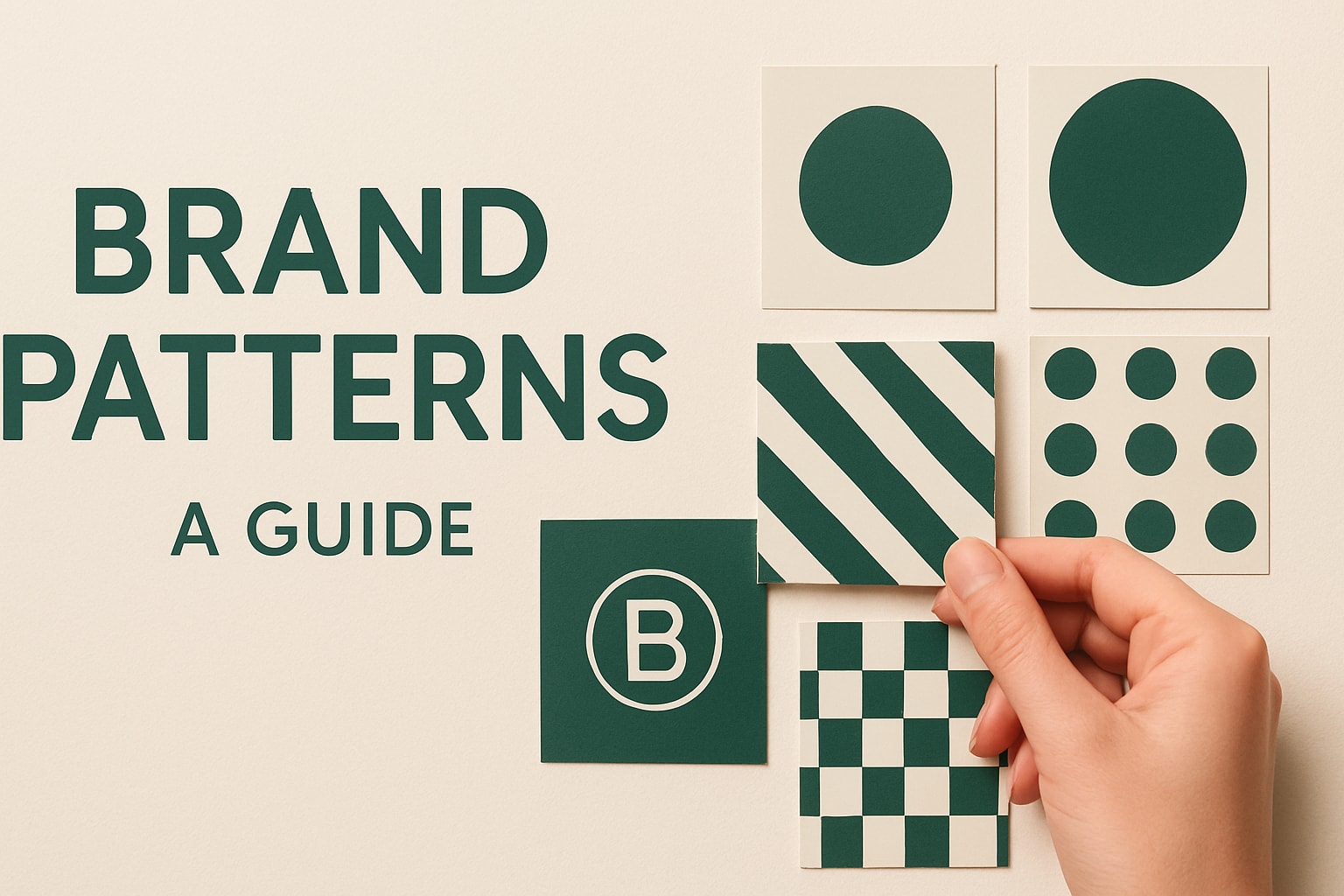
Brand Patterns Guide: Elevate Your Visual Identity in 2025
Imagine your brand standing out, not just by its logo, but through a rich visual language that echoes across every touchpoint. In 2025, brand patterns will become a key to instant recognition and emotional connection, reaching far beyond colors or typography.
This guide is here to demystify brand patterns. You’ll see how they create cohesion, boost recall, and bring your story to life. We’ll break down what they are, why they matter now, and how to build and use them in ways that let your brand stand out. Ready to transform your visual identity?
The Power of Brand Patterns in Visual Identity
Imagine walking into a space or landing on a website and instantly sensing a brand’s presence—without seeing its logo. That is the quiet strength of brand patterns. These visual elements do more than decorate. They shape how we recognize, feel, and connect with a brand, weaving meaning into every touchpoint.
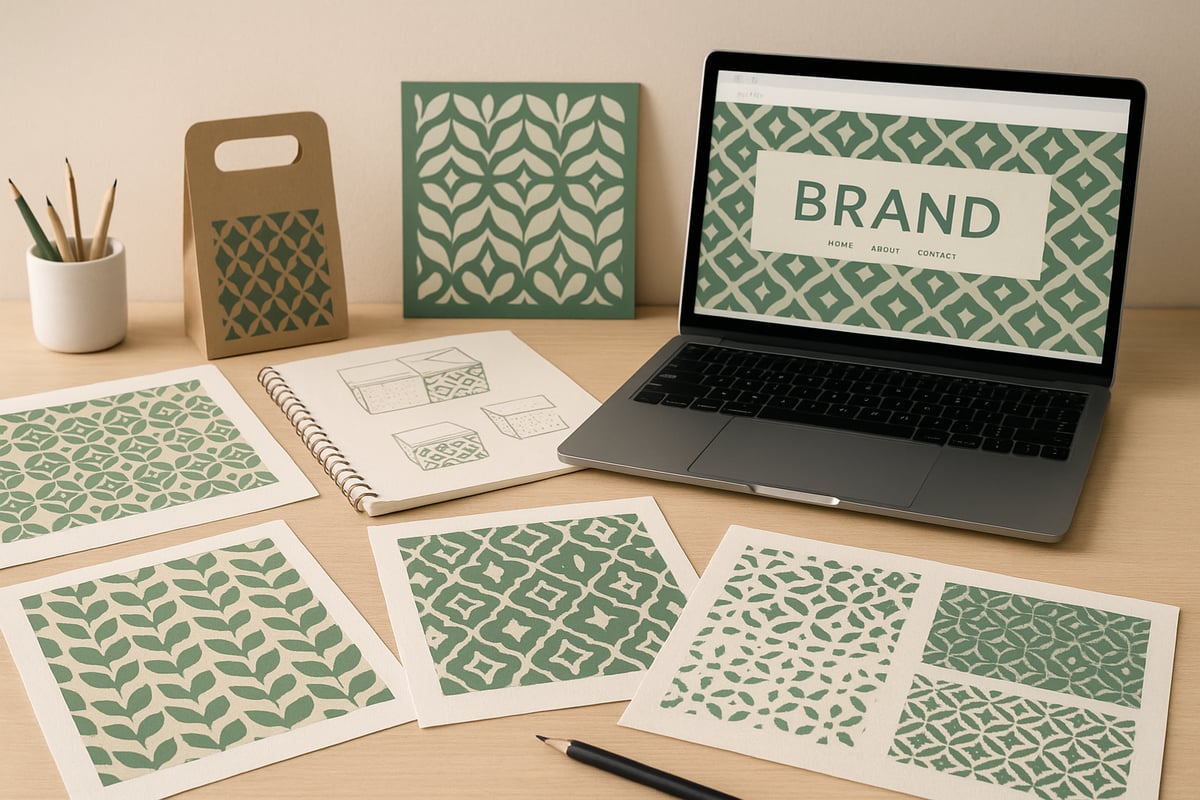
Defining Brand Patterns: More Than Decorative Elements
Brand patterns are the visual DNA that quietly binds a brand’s identity. Think of them as repeating motifs—graphic elements, textures, or illustrations—crafted to be unmistakably yours. Unlike generic backgrounds, brand patterns are strategic assets that tell your story, carrying subtle cues from your history, mission, or environment.
For example, Arizona State University’s "A" Mountain topographical map pattern and Louisville’s compass rose both draw from local landmarks and campus narratives. These patterns appear everywhere: on websites, packaging, business cards, and even building signage. When designed with intention, they bridge the gap between a brand’s logo, typography, and color palette, creating a seamless visual system.
A strong brand pattern system delivers more than decoration. It builds cohesion across every touchpoint, so your audience doesn’t just see your brand—they feel it. Brand patterns are the connective tissue that holds the visual identity together, making every interaction feel like part of a larger, meaningful story.
Why Patterns Matter in 2025: Trends and Consumer Expectations
In 2025, brand patterns are moving from the background to the spotlight. Recent design reports cite "pattern-driven branding" as a top differentiator. Consumers are craving immersive, memorable experiences. With so many brands competing for attention, distinct visual systems are no longer optional. According to industry surveys, 80% of consumers recall brands with unique visual assets, and patterns play a central role in that recall.
Patterns also address the challenge of sameness in crowded markets. They help brands stand apart, offering a layer of recognition that sticks in memory. Just as important, patterns support accessibility and inclusivity by guiding the eye and making content easier to navigate.
The digital-first world demands brand consistency across screens, packaging, and physical spaces. Patterns offer a flexible, recognizable thread that builds trust wherever your audience encounters your brand. For more on the trends shaping this shift, see Visual Identity Trends Dominating 2025.
Emotional and Psychological Impact of Patterns
Brand patterns do more than organize visuals—they shape how people feel. Patterns can carry a brand’s values, honor its heritage, or reflect its culture. Repetition and color choices in patterns influence mood and memory, tapping into the psychology of recognition.
Take ASU’s Morse code pattern, which spells out "Learn to Thrive." It’s not just a design—it embeds purpose and belonging into the brand experience. Research shows that humans are wired to notice and remember patterns, making them powerful tools for emotional resonance and storytelling.
When you use brand patterns thoughtfully, you invite your audience into the heart of your story. Patterns help people remember not just how your brand looks, but how it makes them feel.
Essential Elements of Effective Brand Patterns
Creating effective brand patterns is about more than visual flair. Each element must serve a purpose, connect with your audience, and seamlessly fit into your brand ecosystem. Let’s break down the essentials, from the meaning behind motifs to the technical details that make patterns practical and powerful.

Meaningful Motifs: Tying Patterns to Brand Story
At the heart of strong brand patterns are motifs that tell your story. Generic or stock visuals might fill space, but they rarely leave a mark. Instead, motifs should reflect your brand’s roots—whether it’s history, mission, or what your audience values most.
For example, Louisville’s patterns draw on campus architecture, while ASU incorporates Morse code and topographical lines unique to its environment. Authenticity is your differentiator. Patterns linked to your messaging pillars for brands help carry your core values throughout every visual touchpoint.
Avoid patterns that feel disconnected from your voice. The right motif turns a simple background into a story your audience recognizes and remembers.
Scalability and Versatility Across Touchpoints
Brand patterns work best when they’re flexible. A motif that looks great on a billboard should also adapt effortlessly to a business card or a website icon. Scalability is key.
Design patterns as vectors so they stay sharp at any size. Test them in various contexts—digital, print, packaging, and more. Think about how your pattern functions as a subtle backdrop versus a bold statement.
ASU’s patterns, for instance, maintain clarity whether used on a mural or a mobile screen. Versatile brand patterns ensure every interaction feels cohesive, no matter the medium.
Color, Contrast, and Accessibility
Colors in brand patterns should complement your established palette and never sacrifice legibility. Patterns that overpower content or clash with your message can confuse rather than clarify.
Follow best practices: use grayscale or approved colorways, and always check contrast ratios. Patterns should not distract from headlines or important information. Instead, they should frame and support content.
Accessibility matters, too. Ensure your patterns are inclusive by avoiding visual clutter and maintaining sufficient contrast for those with visual impairments. When in doubt, test your designs with real users.
Consistency and Repetition for Brand Cohesion
Repetition is powerful. Consistent use of brand patterns across all materials helps knit together your visual identity. It’s like a thread running through every piece of communication, building familiarity and trust.
According to industry data, consistent visuals can increase brand revenue by 23 percent. But consistency doesn’t mean monotony. Instead, set clear guidelines for how patterns interact with logos, photos, and typography.
Be mindful of overuse. Patterns should support, not overwhelm. When used thoughtfully, they create harmony and reinforce recognition at every touchpoint.
Technical Requirements: File Formats, Resolution, and Source
The practical side of brand patterns matters just as much as the creative. Always create master files in vector formats like AI or SVG. This ensures patterns stay crisp, whether printed on a large banner or shown on a tiny app icon.
Export high resolution versions—300dpi is standard for print and digital. Originality is vital. Avoid stock resources to reduce copyright risks and keep your patterns truly unique.
Document every detail. Build a pattern library or digital asset system so your entire team can access, use, and update patterns consistently. With the right technical foundation, brand patterns can scale as your brand grows and evolves.
The Step-by-Step Process: Creating Brand Patterns for 2025
Brand patterns are not born from accident or guesswork. They are built with intention, clarity, and a deep understanding of what makes your brand unique. Here is a practical, step-by-step process to help you create brand patterns that are both memorable and meaningful for 2025.
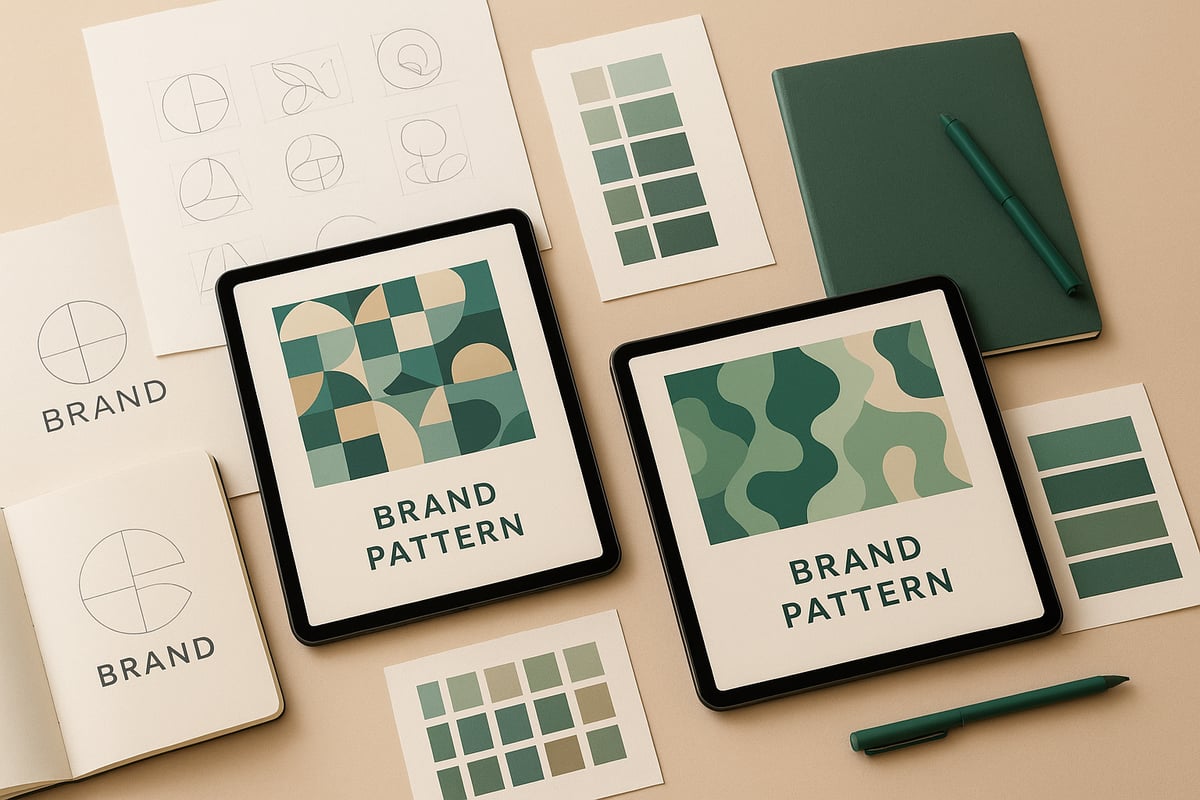
Step 1: Audit Your Brand’s Visual DNA
Begin by taking inventory of your existing brand assets. Gather your logo, typefaces, color palette, iconography, and any graphic elements that have been used consistently. Look for motifs, shapes, or stories that set your brand apart.
Ask yourself: What visual cues already signal who we are? Maybe it is a symbol from your origin story, a pattern in your logo, or an element tied to your location. This audit is foundational. Without clarity here, brand patterns can feel disconnected.
For a deeper dive, consider reviewing Building a cohesive brand strategy to ensure your patterns align with your brand’s core.
Step 2: Define the Purpose and Use Cases
Clarify why you want brand patterns. Are you looking to unify digital and print, elevate packaging, or create a memorable backdrop for social media? List your priority touchpoints and how brand patterns could support each one.
Set specific goals. Do you want to enhance recognition, tell a story, or simply add depth to your materials? Purpose drives design decisions. When you know where and how patterns will be used, you avoid wasted effort and ensure patterns become strategic assets.
Step 3: Concept and Sketch Pattern Ideas
Now, let your ideas flow. Brainstorm motifs that reflect your brand’s values, history, and audience. Sketch different concepts, exploring both geometric and organic forms. Look for inspiration in your brand’s heritage, environment, or customer community.
Involve your team or stakeholders to validate the meaning behind each concept. The best brand patterns tell a story that resonates internally and externally. Authenticity is key. Avoid generic visuals that could belong to anyone.
Step 4: Design and Digitize Your Patterns
Move from paper to pixels. Choose design software like Adobe Illustrator or Figma to create seamless, repeating tiles. Test how your brand patterns look in various colorways and at different scales.
Ensure your designs are vector-based for crispness and flexibility. Save each pattern as a master file and create swatches for easy application. This is where your ideas become tangible assets, ready for real-world use.
Step 5: Test for Scalability, Legibility, and Accessibility
Apply your brand patterns to mockups of real materials: business cards, websites, packaging, and more. Check that patterns stay sharp and clear at every size, from social icons to billboards.
Ensure patterns do not overpower text or hinder readability. Test color contrast for accessibility, making sure everyone can experience your visuals comfortably. A pattern that works everywhere is a pattern that lasts.
Step 6: Document Guidelines and Usage Rules
Write clear, practical guidelines for your brand patterns. Detail the do’s and don’ts, approved color combinations, and placement rules. Include visual examples of correct and incorrect usage.
Create a pattern library or digital asset management system so your team can access the latest files. When everyone knows how to use brand patterns, consistency becomes second nature, not a struggle.
Step 7: Launch and Integrate Across Brand Ecosystem
Roll out your brand patterns across all priority touchpoints. Train your team and creative partners on the new guidelines. Encourage feedback and refine as you go.
Monitor usage and brand impact over time. Consistency is a journey, not a destination. As your brand evolves, revisit and update your patterns to stay relevant and resonant. This final step transforms your work from design to living identity.
Best Practices and Common Pitfalls in Brand Pattern Design
Creating brand patterns that resonate in 2025 is about more than aesthetics. It's about building a visual language that your audience will recognize and trust, across every touchpoint. Let’s break down what works, what to avoid, and what you can learn from real brands on this journey.

Best Practices from Leading Brands and Institutions
To make brand patterns an asset, not a distraction, follow these guiding principles:
- Keep patterns subtle. Let them support, not overpower, your content.
- Align every pattern with your approved color palette for a unified look.
- Draw motifs from your brand’s unique story and context—not from generic sources.
- Ensure patterns repeat both vertically and horizontally for a seamless effect.
- Use patterns to connect disparate brand elements like logos, typography, and imagery.
Brands like Arizona State University and Louisville have set the bar high. Their brand patterns are not just decorative but serve as anchors for their identity. When you use restraint and meaning, your patterns become a thread that ties every piece of communication together.
For more insights on how visual elements like brand patterns are shaping identity, see the latest Brand Identity Trends for 2025.
Common Mistakes to Avoid
Even the best intentions can go sideways. Watch out for these pitfalls when designing brand patterns:
- Patterns that are too busy or complex, making content hard to read.
- Inconsistent application across platforms, which weakens brand recognition.
- Relying on stock or generic patterns that dilute your unique voice.
- Ignoring accessibility—patterns with poor contrast or too much clutter can exclude users.
- Neglecting to update your brand patterns as your brand evolves.
Remember, the simplest approach is often the most effective. Brand patterns should foster clarity, not confusion.
Real-World Examples and Lessons Learned
Let’s look at how others have put brand patterns to work, and what you can learn:
Consistent use of brand patterns has been shown to increase brand recall and trust. Data from industry research supports that brands with cohesive visual systems stand out more in crowded markets.
When you approach brand patterns with intention, clarity, and consistency, they become more than just graphics—they become the heartbeat of your brand’s visual identity.
Implementation: Integrating Patterns into Your Brand Ecosystem
Rolling out brand patterns is not just about creating visuals but about weaving them into the fabric of your brand’s daily life. Implementation is where the hard work of pattern design pays off. It’s about building recognition, trust, and cohesion at every turn.
From Digital to Physical: Where to Use Brand Patterns
Brand patterns earn their value when they show up consistently, everywhere your audience interacts with you. Picture your website’s hero section layered with a subtle motif, product packaging wrapped in signature graphics, or your event booth dressed in your own visual language.
Common touchpoints for brand patterns include:
- Websites and apps: backgrounds, banners, icons.
- Print collateral: business cards, brochures, letterhead.
- Packaging: boxes, labels, wraps, tape.
- Physical environments: signage, murals, trade show booths.
- Merchandise: t-shirts, tote bags, stickers.
Each application reinforces the story you’re telling. The key is to balance visibility and subtlety, making sure brand patterns never overwhelm but always feel unmistakably yours.
Ensuring Teamwide Adoption and Consistency
Brand patterns only build recognition if everyone uses them the right way. This means training your designers, marketers, and partners on guidelines, and making assets easy to find.
Steps to ensure adoption:
- Host pattern guideline workshops for your team.
- Centralize files in a digital brand library.
- Provide editable templates in design tools.
- Schedule regular audits to spot inconsistencies.
- Encourage feedback for continuous improvement.
If you’re rolling out a new identity, consider insights from Launching a new brand successfully to help manage the change. The goal is to make using brand patterns second nature, so every touchpoint feels connected.
Measuring the Impact of Brand Patterns
To know if your brand patterns are working, you need to measure their effect. Start by tracking brand recall and recognition before and after launch. Ask customers and team members for feedback—do they notice and remember your visuals?
You can also use analytics to see if pattern-rich pages drive more engagement or if branded packaging boosts social shares. According to Branding Statistics and Trends for 2025, brands with cohesive visual systems see higher recall and trust metrics.
Regular check-ins help you adapt. If a pattern isn’t resonating, refine it. If accessibility issues arise, adjust colors or contrast. Measuring impact closes the loop between design and brand experience.
Adapting Patterns for Future Growth
Brand patterns are never static. As your brand evolves, so should your patterns. Keep your system flexible so you can add new motifs for campaigns or sub-brands without losing cohesion.
Update your documentation as you grow. Plan for accessibility improvements and digital innovation, like adding motion or interactive patterns. If your brand story shifts, revisit your motifs to keep them meaningful.
Future-proofing brand patterns means regular audits and refreshes. Patterns should always reflect who you are now, not just who you were at launch. By treating your patterns as living assets, you ensure your visual identity stays relevant and distinctive as you move forward.
Future Trends: The Evolution of Brand Patterns in Visual Identity
Step into 2025, and the world of brand patterns is shifting fast. What once felt static and ornamental is now evolving into living, breathing assets that connect brands to audiences in new ways. Looking ahead, these trends offer a glimpse into how brand patterns will shape recognition, trust, and storytelling in the digital age.
The Rise of Dynamic and Interactive Patterns
Brand patterns are no longer just static tiles on a webpage or packaging. Today, brands are harnessing animation, motion, and even real-time adaptation to make their patterns feel alive. Imagine a pattern that pulses gently when you hover, or morphs based on the time of day or user input. These dynamic visuals not only capture attention but also deepen engagement, making the brand experience memorable.
Motion-based brand patterns are showing up everywhere, from animated website backgrounds to interactive social media posts. Brands are also experimenting with generative design, using AI to create unique, personalized patterns for each visitor or campaign. This creates a sense of exclusivity and relevance that static visuals can’t match.
As digital spaces become crowded, dynamic brand patterns help brands stand out and remain top of mind. In 2025, expect these interactive visuals to be a defining marker of forward-thinking identity systems.
Patterns and Brand Storytelling in the Metaverse and AR/VR
As the metaverse and AR/VR environments gain traction, brand patterns are taking on new roles. They are being used as immersive, spatial elements that surround users, creating a sense of place and belonging. In virtual spaces, patterns can be layered onto digital walls, floors, or even avatars, turning every interaction into a branded touchpoint.
The opportunity for storytelling is immense. Patterns can hold narrative meaning, connecting users to a brand’s heritage, mission, or community. For example, a university might use campus-inspired patterns as textures in a virtual campus tour, embedding memory and emotion in each step. To dive deeper into the connection between patterns and storytelling, see these brand storytelling techniques.
What makes brand patterns powerful here is their ability to anchor identity across realities. Whether in a physical store or a virtual world, they provide the visual glue that keeps the brand coherent and recognizable.
Sustainability and Ethical Considerations in Pattern Design
Sustainability is influencing every aspect of branding, including pattern design. Many brands now seek to reflect environmental values in their visuals, choosing motifs inspired by nature, local culture, or social causes. This shift is not just aesthetic—it signals to consumers that the brand is mindful of its impact and values.
Ethical considerations are also on the rise. Designers must avoid cultural appropriation and ensure that motifs are respectful and relevant to the communities they represent. Transparency in sourcing, whether creating original patterns or collaborating with local artists, builds trust and strengthens brand reputation.
Sustainable brand patterns often use minimal color palettes, efficient printing techniques, or digital-first formats to reduce waste. These choices align with the growing demand for responsible business practices and help brands build deeper connections with conscious consumers.
Data-Driven Pattern Customization
Personalization is no longer optional. Brands are tapping into customer data to create tailored pattern experiences. Imagine a retail app that adjusts its background pattern based on a user’s preferences or purchase history. Or a limited-edition product line featuring user-generated brand patterns, inviting fans to co-create the brand’s visual language.
This data-driven approach allows for both consistency and variety. The core pattern remains recognizable, but subtle tweaks make each interaction feel unique. Brands that master this balance can foster loyalty and increase recall, as customers feel seen and valued.
However, it is crucial to maintain control over the brand system. Too much customization can dilute identity, so guidelines and smart automation are essential for scalable success.
Preparing Your Brand Pattern System for 2025 and Beyond
Staying relevant means treating brand patterns as living assets. Regular audits can help identify what’s working and where updates are needed. Brands should invest in well-documented pattern libraries, making it easy for teams to access, adapt, and deploy visuals across new channels.
Looking ahead, innovation will come from blending consistency with flexibility. As new platforms and technologies emerge, adaptable brand patterns will keep your identity strong and recognizable. Remember, the brands that thrive are those willing to evolve while staying true to their core.
Ultimately, the future belongs to brands that see patterns not as decoration, but as a strategic, emotional, and flexible foundation for connection.
You’ve seen how patterns can quietly anchor your brand’s story—connecting your visuals, your message, and the lived experiences behind your work. In a world where sameness is everywhere, the right pattern system is more than decoration; it’s a way to show up with clarity and conviction, every single time. If you’re ready to build a brand presence that feels true to who you are—not just what you do—let’s have a real conversation about what that could look like together. Let’s shape a brand that sounds like you