The Ultimate Guide to Brand Scaling Success in 2026
The marketplace in 2026 is moving fast. Brands that want to grow can’t afford to stand still. Will your business lead, or fall behind?
This guide is your expert roadmap to brand scaling, built for founders, marketing leaders, and ambitious teams ready to take the next step. Inside, you’ll find actionable strategies, proven frameworks, and lessons from brands that have scaled successfully.
We’ll break down the fundamentals, show you how to craft a strong foundation, build messaging that connects, expand across channels, use technology, and measure what matters. Every insight is designed to help you thrive, not just survive.
Get ready to unlock the blueprint for brand scaling success in 2026.
Understanding Brand Scaling in 2026
Brand scaling is no longer just a buzzword. In 2026, it is the difference between brands that stay relevant and those that fade away. As the business landscape evolves, understanding what sets brand scaling apart is essential for any founder or team aiming to grow sustainably.

Brand Scaling vs. Business Scaling
Brand scaling is not the same as business scaling. While business scaling focuses on increasing revenue, operations, or headcount, brand scaling is about amplifying your brand’s presence, impact, and meaning as you grow. Both are vital, yet brand scaling centers on building trust and recognition in every new market, product, or channel you enter.
Many leaders confuse the two. You might grow your operations, but if your brand’s message, look, and promise get lost along the way, you risk losing the very audience you worked to attract.
What Drives Brand Scaling in 2026?
Several forces are shaping brand scaling this year:
- Digital acceleration: Technology and platforms are evolving faster than ever.
- Customer expectations: Today’s buyers want seamless, personalized experiences.
- AI-powered personalization: Brands use machine learning to tailor messages, offers, and content.
- Global competition: New brands can reach global audiences overnight, raising the stakes for everyone.
These drivers demand that brands scale not just with speed, but with intention and clarity. If you want to dive deeper into the core principles that make brand scaling effective, Brand strategy fundamentals is a helpful resource.
Consistency Across Every Touchpoint
A consistent brand identity is the backbone of successful brand scaling. Whether your customer meets you online, in a retail space, or through an event, they expect the same experience. Studies show that 82% of consumers expect brands to deliver consistent messaging and experience across platforms.
Competitors like Lane Award have built their edge by prioritizing both visual and verbal consistency. This means using the same tone, colors, and core messages everywhere. When brands get this right, it creates trust and recognition, making every new touchpoint feel familiar.
Misconceptions and Realities
It is a mistake to think brand scaling is just about more marketing or a bigger ad budget. True brand scaling is a strategic process. It means aligning your team, your message, and your growth plan. More spend without strategy leads to confusion and wasted resources.
Brand scaling also requires adaptability. The market changes quickly. Brands that cling to old habits or rigid messaging often lose relevance. On the other hand, those that stay flexible—adjusting their story and approach without losing their core identity, thrive.
Lessons from Successes and Failures
Recent case studies show the impact of smart or poor brand scaling. Brands that expanded rapidly without a unified story or clear differentiation often struggled to connect in new markets. In contrast, those that invested in brand clarity, like Apple or Nike, managed to scale without losing their distinct voice.
When scaling abroad or into new verticals, some brands failed by ignoring local expectations or diluting their message. Others succeeded by adapting while staying true to their core.
Why Brand Scaling Matters
Brand scaling is a powerful lever for growth. It affects how easily you can acquire new customers, how long they stay, and how much they spend. A scaled brand builds loyalty, encourages referrals, and drives sustainable revenue.
In 2026, brands that approach scaling with strategy, consistency, and adaptability will lead the pack. The question is, will yours be one of them?
Laying the Strategic Foundation for Brand Scaling
Building a foundation for brand scaling is like designing the roots of a tree before it grows. Without clarity at the core, every new branch risks breaking off. Let’s walk through how to set that foundation so your brand can scale with focus and resilience.
Defining and Documenting Your Brand Core
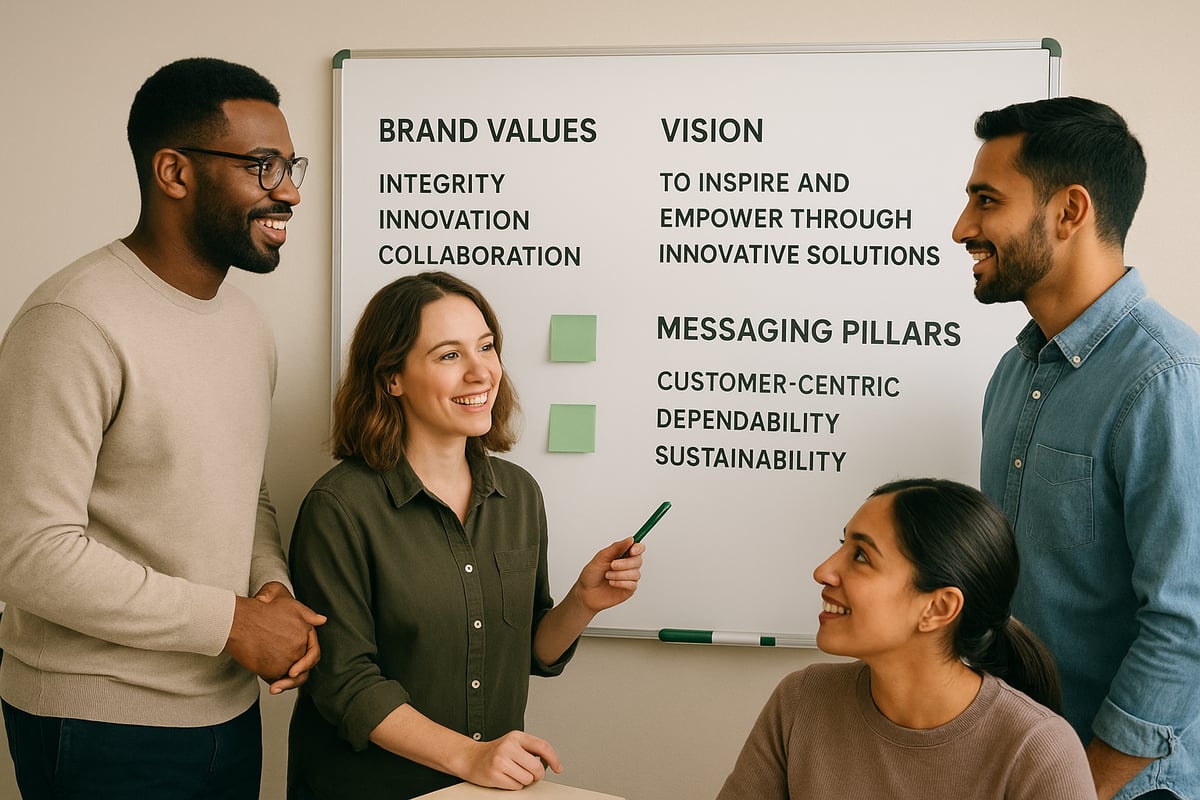
Every brand scaling journey starts with purpose. The most successful brands, whether global icons or ambitious startups, have a clearly defined purpose, vision, and set of values. These aren’t just words—they are the north star that guides every decision as you enter new markets or expand product lines.
It’s not enough to hold your positioning in your head. Document your core: what your brand stands for, how you’re different, and what proof points back it up. This clarity allows teams to move quickly without second-guessing. For founder-led brands, your personal story and leadership style often shape the narrative. Apple and Nike are masters at this. Even as they grew, their core remained visible—Apple’s focus on innovation and simplicity, Nike’s dedication to empowerment and performance.
Brands with a documented strategy are three times more likely to hit growth targets. That’s not coincidence. It’s structure fueling momentum. The first step in brand scaling is getting your foundation on paper—so everyone pulls in the same direction.
Building a Scalable Brand Messaging Framework
A strong messaging framework is the backbone of brand scaling. When you scale, your story must travel across teams, platforms, and regions without losing its heart. This means building a unified messaging system that every team can use, from sales to support.
Here are the essential elements:
- Core story: Your “why” in one clear narrative.
- Elevator pitch: A quick, compelling summary.
- Key messages: The main ideas you want remembered.
- Proof points: Real data or stories that build trust.
- Voice guidelines: How your brand sounds in every channel.
The challenge is keeping authenticity as you grow. Messaging can get watered down or lost in translation. Lane Award, for example, ensures each product line and campaign echoes the same message, no matter the channel.
To keep your messaging strong, audit regularly. Listen to how customers talk about you. Refine your framework as you enter new markets or launch new products. For a deeper dive on creating consistent messaging systems that scale, see these Messaging pillars for scaling.
Aligning Internal Teams and Culture
Brand scaling isn’t just an external effort. Internal alignment is what brings your strategy to life. Leaders must model the brand’s values, but every team member—frontline or HQ—needs to feel ownership.
Empower your people through training, clear communication, and recognition. Lane Award’s approach to employee recognition keeps teams motivated and committed. Google’s culture is another example: open feedback, rapid iteration, and a sense of shared mission allow them to scale new ideas without losing cohesion.
Key practices for internal alignment:
- Leadership buy-in and visibility
- Brand training for all employees
- Regular feedback loops and open forums
- Recognition programs that reinforce values
A culture that lives the brand is your best insurance as you scale. When people are invested, they become brand ambassadors, driving consistent customer experiences everywhere. In the end, brand scaling is a team sport, and culture is the playbook.
Crafting Consistent and Scalable Brand Messaging
In a world where every touchpoint shapes perception, crafting consistent and scalable brand messaging is the heartbeat of brand scaling. The right message doesn’t just travel. It lands, connects, and grows roots across audiences and markets. Let’s break down how you can build a messaging system that scales with your ambitions.
The Psychology of Scalable Messaging
At the core of brand scaling is understanding the human mind. Messaging that resonates emotionally has the power to move markets, not just individuals. This is more than clever words. It’s about emotional intelligence—knowing your audience’s hopes, fears, and values, and reflecting them back in ways that feel true.
Start by mapping out your key buyer personas. What keeps them up at night? What do they aspire to? Adapt your message for each segment, but always anchor it in your brand’s core promise. Remember, complexity is the enemy of clarity. Simplicity wins hearts, yet depth earns trust. Strive for both. Take the example of a fintech startup entering new markets. They translate technical jargon into everyday language, making financial empowerment accessible and relatable.
Consistent storytelling is vital. If you’re curious about how to build a brand story that scales with your growth, dive into Building a scalable brand story. It explores how narrative shapes perception at every stage of brand scaling.
Systems and Tools for Message Consistency
Brand scaling demands more than inspiration. It requires systems. Templates, brand voice guides, and automated content workflows ensure your message never goes off-script, no matter how fast you grow. Centralized tools become your safety net, protecting against dilution and drift.
AI and automation are now essential allies. They help you maintain tone, update copy, and personalize at scale, all while keeping your brand’s unique voice intact. Version control systems let you track changes and roll out updates efficiently as your brand evolves.
Consider this data: 70% of scaling brands now use centralized messaging tools to maintain consistency across regions and teams. The right tech stack can include:
- Brand messaging templates for every channel
- AI-driven content review and adaptation tools
- Shared digital asset management for visuals and copy
With these systems in place, your brand scaling journey becomes more predictable, resilient, and cohesive.
How Strategic Brand Messaging Consultancies Accelerate Scaling
Sometimes, the most effective shortcut in brand scaling is expert partnership. Messaging consultancies bring outside perspective, proven frameworks, and the discipline to turn ideas into action. Kedra&Co., for example, helps founder-led brands clarify their voice, build scalable messaging systems, and ensure every launch or pivot feels authentic.

Imagine a global tech company preparing for a major rollout. With consultancy support, they align teams around a unified story, build emotional resonance with new audiences, and adopt practical tools for message delivery. The benefits are tangible:
- Clear, actionable messaging frameworks
- Team-wide adoption and training
- Emotional depth without sacrificing consistency
Engage a messaging partner when you’re entering new markets, rebranding, or sensing misalignment. The right support transforms your brand scaling from guesswork into a guided, strategic journey.
Omnichannel Execution: Scaling Brand Presence Across Platforms
Brand scaling in 2026 is no longer about simply being everywhere. It is about showing up in the right places, with the right message, at the right time. Founders and marketing teams face a landscape where touchpoints multiply, attention is fragmented, and expectations for seamless experiences are at an all-time high.
To thrive, omnichannel execution must be intentional, data-driven, and rooted in a deep understanding of your audience. Here is how to build a presence that scales—and sticks—in a crowded world.
Developing a Channel Strategy for 2026
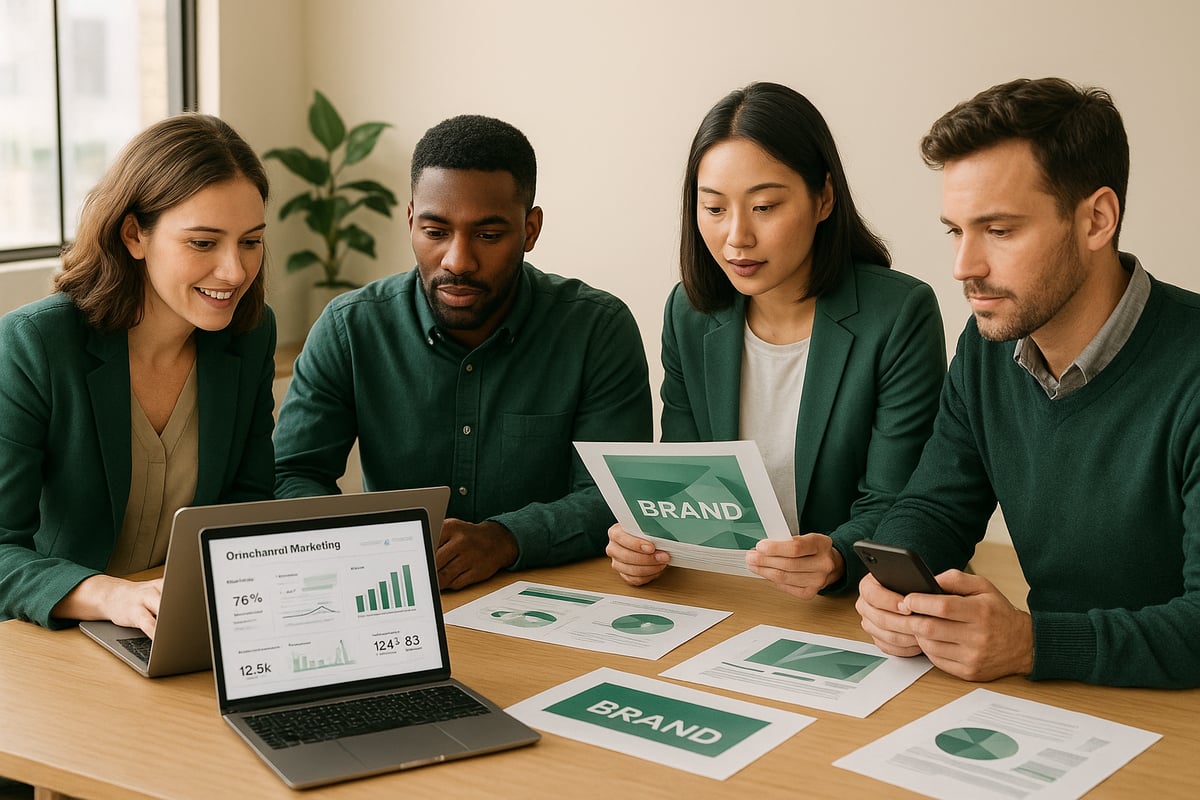
Building a channel strategy for brand scaling starts with clarity. Not every platform deserves your energy. The most successful brands map their audience journey, then prioritize channels that deliver the highest impact and return.
Consider these key steps:
- Identify where your core customers are most active—web, social, retail, events, or emerging spaces.
- Evaluate channel ROI regularly, using data to guide smart pivots.
- Integrate online and offline experiences to create a unified journey.
Lane Award, for example, blends digital marketing, promotional products, and physical awards, ensuring their brand shows up consistently wherever their audience interacts. This level of integration is vital for brand scaling in 2026.
A helpful way to compare channels:
Brands that excel in omnichannel execution often draw on strategies like those outlined in 2026's Winning Formula for Brand Growth: Strategy That Works, blending performance and brand marketing with AI-powered insights and micro-influencers.
Brand scaling is not about being everywhere, but about being everywhere that matters.
Personalization and Automation at Scale
Personalization is the heart of brand scaling. In 2026, generic campaigns do not move the needle. AI and machine learning enable brands to deliver hyper-personalized experiences, adapting content for different segments and geographies with precision.
Automation tools simplify campaign management, customer journeys, and reporting. With the right stack, brands achieve faster response times and higher engagement. In fact, brands leveraging automation report a 50 percent increase in speed and 30 percent boost in interaction rates.
Practical steps to scale personalization:
- Use dynamic content to tailor messaging for each segment.
- Automate routine tasks, freeing teams to focus on creative strategy.
- Regularly audit automation workflows to ensure relevance and alignment.
Brand scaling benefits most from technology that enhances, rather than replaces, the human touch. Personalization is not just a tactic—it is a promise to your audience that you see and value them as individuals.
Maintaining Brand Cohesion Across Markets
Scaling across regions introduces complexity. How do you adapt messaging and visuals for local relevance without losing your core identity? This is a central challenge for brand scaling in a global context.
Governance systems are essential. Brand guidelines, approval workflows, and local market training help maintain consistency. A global CPG brand, for example, empowers local teams to adapt campaigns while staying true to overarching brand values.
Common pitfalls include:
- Translation errors that distort meaning.
- Cultural missteps that alienate audiences.
- Decentralized teams leading to fragmented execution.
To overcome these, create feedback loops and invest in training. Brand scaling depends on balancing flexibility with discipline—adapting where necessary, but never compromising on what makes your brand unique.
Sustaining cohesion is not a one-time effort. It is an ongoing practice, built on trust, clear systems, and a shared commitment to excellence.
Leveraging Technology and Data for Brand Scaling
Technology and data are the backbone of effective brand scaling in 2026. Without the right tools, systems, and insights, even the most compelling brand can lose momentum. To scale with intention, founders and teams need a tech stack that grows with them, metrics that matter, and a future-focused mindset that embraces AI and automation.
Essential Tech Stack for Scalable Brands
Selecting the right tech stack is the first step in brand scaling. The essentials include CRM systems for customer relationships, CMS for content management, DAM platforms for digital assets, marketing automation for campaigns, analytics for data, and collaboration tools for team alignment.
Here’s a quick comparison of core tools:
Integration is crucial for brand scaling. Disconnected platforms lead to data silos and slowdowns. Prioritize solutions that offer seamless integration, letting your team move quickly as your brand scaling journey accelerates.
Data-Driven Decision Making
Data is your compass in the brand scaling process. Start by defining key metrics: reach, engagement, customer acquisition, retention, and Net Promoter Score. These numbers form your brand’s health check.
Set up real-time dashboards so you can spot trends, track campaign performance, and pivot fast. Use analytics to test messaging, tweak offers, and identify what resonates with your audience.
Competitor insights matter too. Brands that succeed with brand scaling monitor engagement, acquisition, and retention as core benchmarks. This isn’t about chasing every number, but focusing on the metrics that drive your next best move.
AI, Automation, and the Future of Brand Scaling
AI and automation are changing the rules for brand scaling. AI-powered content tools now generate on-brand messaging, adapt offers for different segments, and optimize campaigns on the fly. Predictive analytics help spot emerging trends and customer needs before the competition.
Automation handles routine brand tasks, freeing your team to focus on strategy and creative work. Imagine launching a campaign where AI analyzes real-time data and adjusts spend to maximize engagement—one scaling brand saw a 40 percent lift in engagement using this approach.
For founders ready to future-proof their brand scaling, embracing AI is non-negotiable. Many of the top brand strategies driving growth in 2025 rely on hyper-personalization and data-driven decisions. The brands that harness these tools will set the pace in 2026.
Measuring, Optimizing, and Sustaining Brand Scaling Success
Scaling a brand is not just about growth, it is about building a system that can measure, optimize, and adapt over time. The real work begins when you start tracking what matters, listening deeply to feedback, and responding to challenges with clarity. This is how brand scaling becomes sustainable—by treating it as a living process, not a one-time sprint.
Key Metrics and KPIs for Brand Scaling
Metrics are the compass for brand scaling. Without them, it is easy to drift or lose sight of progress. Start by defining what success means for your brand. Core metrics include brand awareness, share of voice, customer acquisition cost, lifetime value, and retention rates.
Create a table to keep these benchmarks visible:
Set clear benchmarks for each. Monitor progress monthly or quarterly. Use competitor benchmarks to stay grounded. For example, Lane Award emphasizes tracking engagement, reach, acquisition, and retention to measure scaling efforts.
When you align your measurement approach, you can also learn how balancing brand and performance marketing supports growth and protects long-term brand health. Brand scaling thrives when both are in sync.
Continuous Improvement and Brand Health Monitoring
Brand scaling is a process of constant adjustment. Set up feedback loops at every level. Customer surveys, social listening tools, and employee input all reveal valuable insights.
Build a rhythm of rapid testing and iteration. Experiment with messaging and campaigns, then review the real-time data. What resonates? What falls flat? When a B2B SaaS company pivoted its core narrative based on live customer feedback, engagement soared and retention followed.
Keep your feedback systems simple but consistent:
- Regular customer surveys
- Social listening dashboards
- Open channels for employee suggestions
- Quick debriefs after launches
Remember, sustained brand scaling depends on your willingness to listen and adapt. Document lessons learned, and let the data guide your next move. Small improvements, made often, keep you ahead of the curve.
Navigating Scaling Challenges and Pitfalls
Even the best brand scaling efforts face bumps in the road. Common pitfalls include message dilution, operational silos, inconsistent experiences, and cultural misalignment. The good news is, these challenges are visible and solvable.
Proactive solutions:
- Build cross-functional teams to break down silos
- Run regular audits of customer touchpoints
- Align leadership around a shared vision
- Foster open communication across departments
Learn from those who have been there. Brands in the apparel industry have shown that agility and operational efficiency are critical, especially during fast growth. For real-world examples, see Scaling a Brand in 2025 - Lessons from the Apparel Industry, which highlights how brands adapt, recover, and thrive.
Brand scaling is a journey, not a destination. If you stay open to feedback, measure what matters, and act on insights, your brand will not just grow, it will endure.
Future Trends and Opportunities in Brand Scaling
The future of brand scaling is shaped by a world that changes faster than ever. As founders and teams look ahead, the way we approach growth, technology, and human connection will decide who stands out and who blends in. Let’s explore what’s next.
The Rise of Purpose-Driven and Human Brands
Brand scaling in 2026 is no longer just about reach or revenue. More customers are seeking meaning, not just products. They want to know what a brand stands for, who is behind it, and how it impacts the world.
Purpose-driven brands do more than sell. They build trust by standing for something authentic, whether it's environmental responsibility or social progress. This approach makes brand scaling more sustainable, because loyal customers become advocates who help the brand grow.
Consider B Corp brands, which have scaled by staying true to their values. They attract not just buyers, but also talent and investors who share their vision. In brand scaling, this emotional connection is a multiplier, boosting both loyalty and long-term growth.
- Customers reward brands that act with transparency and purpose.
- Teams aligned around a mission work faster and with more passion.
- Purpose creates resilience during market shifts.
As we move forward, the brands that scale are those that lead with heart and stay human, even as they grow.
Emerging Technologies and Channels
Brand scaling is being reshaped by new platforms and tools. Artificial intelligence, virtual and augmented reality, and decentralized social networks are opening fresh ways to connect. The brands that succeed will be those that adapt quickly and experiment boldly.
Web3 and blockchain are changing how brands build trust and foster loyalty. With ownership models and direct engagement, customers can co-create value, making brand scaling more interactive and community-driven.
AI and personalization are now essentials, not extras. Brands that use AI to tailor experiences are seeing deeper engagement and faster growth. For more on leveraging these tools, see Top Branding Strategies for 2025: Key Trends and Actionable Tips.
- VR/AR platforms unlock immersive brand stories.
- Voice assistants and new devices bring brands into daily life.
- Digital disruption rewards those who invest early in innovation.
Brand scaling in this landscape means staying curious, investing in technology, and meeting customers wherever they are.
Building Resilience and Adaptability for Long-Term Success
Brand scaling is not a one-time push, it is a cycle of learning and adapting. The most successful brands are those that expect change and prepare for it. Scenario planning helps teams anticipate economic, social, or tech shifts before they happen.
Investing in agile teams and modular systems makes brand scaling flexible. When new challenges arise, these brands can pivot messaging, launch new products, or shift focus without losing momentum.
Ongoing learning is at the core of sustainable brand scaling. Teams that encourage experimentation and fast feedback loops can spot opportunities early and avoid pitfalls.
- Build in time for regular reviews and learning sessions.
- Create space for innovation and risk-taking.
- Celebrate adaptability as much as achievement.
In 2026 and beyond, brand scaling will belong to those who see change not as a threat, but as the path to lasting growth.
So much of scaling a brand in 2026 comes down to how clearly you can communicate who you are, especially when the world gets louder and markets move faster. We’ve walked through the strategies, tools, and mindsets that help you keep your message consistent and your leadership grounded. If you’re ready to build a brand that grows with you—without losing your voice or your vision—let’s take the next step together. Let’s shape a brand that sounds like you