9 Essential Skills Every Brand Strategist Needs in 2025
Branding is shifting faster than ever in 2025, and the expectations for a brand strategist are evolving just as quickly. Brands are navigating digital disruption, changing consumer values, and an urgent demand for authenticity.
To thrive, a brand strategist must master a unique mix of skills that drive growth and resilience in this new environment. In this post, I’ll break down the nine essential skills every brand strategist needs for 2025, with practical examples and insights to help you stay ahead.
The Evolving Role of Brand Strategists in 2025
The role of the brand strategist is shifting at a pace few could have predicted. What used to be a focus on logos and campaigns is now about orchestrating experiences that touch every corner of a business. In 2025, the brand strategist is not just a planner but a connector, weaving together culture, technology, and purpose to guide brands through uncertainty.
The Shift from Traditional to Holistic Brand Strategy
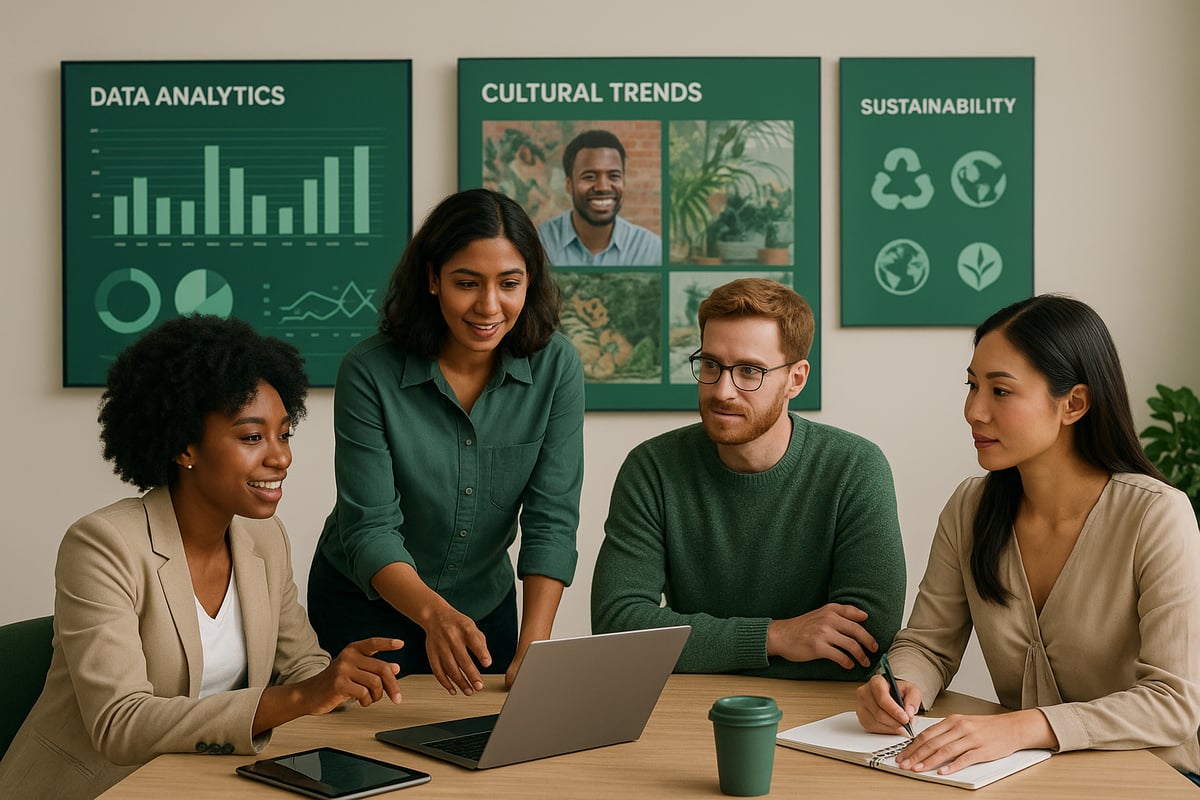
Branding has moved far beyond catchy taglines or product packaging. Today, a brand strategist leads the shift from product-focused tactics to experience-driven strategy. Every touchpoint—from the website to customer support—must echo a unified story. This unity demands collaboration with teams across marketing, sales, product, and even HR.
Remote work and global teams bring new complexity. Maintaining brand consistency across continents and cultures is now an everyday challenge. The brand strategist becomes the glue, ensuring that messaging, visuals, and experience align, no matter where the team sits. For a closer look at the strategies driving this evolution, see Top Brand Strategies for 2025.
The Influence of Technology and AI
In 2025, technology shapes almost every decision a brand strategist makes. AI tools now analyze mountains of data, revealing insights about customers that were once unreachable. With automation, campaign management and content personalization become more precise, freeing up time for creative thinking.
Examples from 2024 and 2025 show brands using AI to launch hyper-personalized campaigns, adapting messages in real time. For a brand strategist, learning to interpret and act on these insights is essential. Technology no longer sits on the sidelines, it is a core part of the strategist’s toolkit.
The Importance of Purpose, Ethics, and Sustainability
Consumers now expect more than products. They want to support brands that share their values and act responsibly. The brand strategist plays a vital role in shaping stories around purpose, ethics, and sustainability. Studies show 70% of consumers prefer brands that align with their beliefs.
This means crafting transparent narratives and holding the brand accountable for real impact. From supply chain audits to sustainability initiatives, the strategist helps brands build trust that lasts. Purpose-driven brands do not just stand out, they endure.
Navigating Cultural and Generational Shifts
Culture moves fast. What resonates with Millennials may fall flat with Gen Z. A brand strategist must keep a finger on the pulse of emerging trends and shifting values. Successful brands in 2025 are those that adapt their messaging to fit different regions, generations, and communities.
Fostering inclusivity is more than a checkbox. It is about listening deeply and engaging authentically. The brand strategist steers this effort, helping brands remain relevant as society evolves. Navigating these shifts is not easy, but it is what makes brands memorable and trusted.
9 Essential Skills Every Brand Strategist Needs in 2025
The role of a brand strategist is more layered than ever. In 2025, it’s not enough to be creative or data-savvy. You need a blend of insight, empathy, and adaptability to navigate a landscape shaped by technology, cultural shifts, and evolving consumer values.
Let’s break down the nine essential skills every brand strategist needs to thrive. Each skill is practical, actionable, and rooted in what drives brand growth today.

1. Strategic Research & Analytical Thinking
A brand strategist must turn noise into meaning. This starts with the ability to gather, interpret, and synthesize complex data. Using tools like digital analytics and AI-driven platforms, you can map markets, track competitors, and deeply understand your audience.
Weekly industry news reviews, focus groups, and surveys become your compass. Social listening tools help you catch shifts in sentiment before they hit the mainstream. For example, when a global beverage brand noticed a spike in sustainability conversations, their brand strategist led a pivot to eco-friendly packaging. This move, rooted in research, protected their market share during a wave of green consumerism.
A brand strategist who prioritizes data-driven insights builds strategies that are resilient and responsive. The Branding Journal recommends active listening and stakeholder mapping as core habits. Techniques like regular trend analysis and ongoing feedback loops keep your brand ahead of disruption.
In a world where change is constant, the brand strategist who turns insight into action is the one who keeps brands relevant, trusted, and profitable.
2. Cultural Intelligence & Trend Navigation
Today’s brand strategist must be fluent in culture, not just marketing. Understanding societal shifts, subcultures, and global trends allows you to anticipate what matters next.
Brands no longer speak to one audience. A brand strategist studies the nuances between Gen Z and Millennials, or how a message lands in Tokyo versus Berlin. For instance, a tech company adjusted its campaign tone for diverse regions, boosting resonance and avoiding cultural missteps.
Cultural fluency comes from engaging with a variety of communities, tracking social trends, and studying how culture evolves. The Branding Journal suggests immersing in documentaries and fostering cross-generational conversations. Brands that align with emerging trends see higher engagement rates.
By mapping the phases of cultural evolution, a brand strategist can leverage key moments for positioning. This deep understanding prevents tone-deaf campaigns and ensures your brand remains both authentic and inclusive.
In short, a brand strategist who navigates culture skillfully builds bridges, not barriers, with their audience.
3. Deep Empathy & Stakeholder Understanding
Empathy is the foundation of every brand strategist’s toolkit. It’s not just about understanding customers, but also employees, partners, and the broader community.
A brand strategist maps and prioritizes all stakeholders, practicing active listening and empathetic communication. Consider a brand that invited customers to co-create a new product line. This approach, guided by empathy, led to stronger loyalty and word-of-mouth advocacy.
Regular feedback loops and immersive experiences help a brand strategist stay close to real needs and aspirations. The Branding Journal highlights empathy as the cornerstone of meaningful connections. Techniques like reading diverse perspectives and hosting open forums build trust from the inside out.
Data shows that empathetic brands outperform competitors in customer retention. When a brand strategist leads with empathy, every touchpoint feels personal, authentic, and valued.
Ultimately, empathy transforms brands from faceless entities into trusted allies.
4. Creative Problem Solving & Innovation
Breakthrough ideas are the lifeblood of any brand strategist. Creativity isn’t just about flashy campaigns, but about solving real problems in unexpected ways.
A brand strategist uses design thinking and cross-disciplinary brainstorming to generate original ideas. Think of a retail brand that disrupted its industry by launching a campaign encouraging customers to repair, not replace, their products. This creative pivot set them apart and drove customer engagement.
Ideation workshops, rapid prototyping, and creative sprints keep the process fresh. The Branding Journal emphasizes nurturing creativity for brand elevation. Brands with strong creative leadership grow 1.5 times faster, according to industry reports.
A brand strategist who fosters innovation ensures their brand is never stuck in the past. By challenging assumptions and exploring new angles, you create stories that cut through the noise and resonate deeply.
Creativity, for a brand strategist, is the difference between blending in and standing out.
5. Digital Fluency & Channel Integration
A brand strategist in 2025 must master the digital landscape. This means understanding every channel, from social media to experiential events, and knowing how to weave them into a seamless brand story.
Digital fluency starts with tools like SEO, analytics, content strategy, and paid media. For example, a brand strategist might orchestrate a campaign that moves effortlessly from Instagram stories to in-store experiences, ensuring consistency and impact.
Noble Desktop underscores digital marketing as a core skill for brand strategists. With 80 percent of brand interactions now digital-first, channel integration is non-negotiable.
A brand strategist who excels here will build scalable, measurable, and memorable brand presences. Skills in influencer partnerships and omnichannel strategy ensure your brand is everywhere your audience is, with one clear voice.
In the end, digital fluency is about making every touchpoint count for your brand.
6. Ethical Branding & Sustainability Expertise
Trust is currency for every brand strategist. Understanding ethical marketing and sustainability is not optional, it’s essential.
A brand strategist audits supply chains, communicates values transparently, and leads sustainability certifications. For example, guiding a fashion brand to achieve eco-labels not only meets regulations but also wins over conscious consumers.
Techniques like ESG reporting and responsible storytelling ensure your brand avoids reputational risks. The Branding Journal recommends resources like “Sustainable Marketing” by Randle & Eyre for practical guidance. Data shows 73 percent of consumers will pay more for sustainable brands.
A brand strategist who champions ethics and purpose crafts narratives that build lasting trust. This expertise isn’t just about compliance, it’s about leadership.
When you lead with values, your brand becomes a beacon for both customers and employees.
7. Communication & Storytelling Mastery
Great brands are built on stories. A brand strategist must craft narratives that are clear, authentic, and emotionally resonant.
Adapting voice and messaging for different audiences is key. For instance, a founder-led story can humanize a brand and set it apart. Skills in copywriting, scripting, and visual storytelling help you reach people where they are.
Storytelling is central to differentiation and loyalty. According to Noble Desktop, communication is a must-have for any brand strategist. Story-driven brands see 22 percent higher recall.
Want to dive deeper into narrative approaches? Explore the difference between Brand Storytelling versus Founder's Story for practical insights.
A brand strategist who masters storytelling turns information into inspiration, moving people to action and advocacy.
8. Leadership & Cross-Functional Collaboration
Brand building is a team sport. A brand strategist leads multidisciplinary teams, aligning everyone around a shared vision.
Facilitating workshops, ideation sessions, and consensus-building are daily practices. Imagine a brand strategist bringing together product, HR, and creative teams to launch a unified campaign. This collaboration ensures every detail reflects the brand’s core promise.
Project management, negotiation, and conflict resolution set the foundation. The Branding Journal notes that brand strategists who work across business units drive better results. Cross-functional teams outperform siloed ones by 30 percent in campaign effectiveness.
A brand strategist’s leadership keeps execution consistent and the brand’s integrity intact. When everyone moves in the same direction, the brand’s story is clear and compelling.
9. Future-Thinking & Adaptability
Change is the only constant. A brand strategist must anticipate disruptions, from technology shifts to new consumer behaviors.
Continuous learning and agile methodologies are your toolkit. Early adoption of AI-powered tools or AR/VR platforms can give your brand an edge. Scenario planning and trend forecasting allow you to prepare for what’s next, not just react.
The Branding Journal stresses the importance of future-thinking and disruptive innovation. Brands that adapt quickly are twice as likely to lead their category.
A brand strategist who embraces adaptability ensures the brand remains relevant, resilient, and ready for tomorrow’s challenges.
Building Your Brand Strategist Toolkit: Education, Tools, and Resources
The world of a brand strategist is never static. To truly thrive in 2025, you need a toolkit that is as multidimensional as your role. Whether you are starting out or evolving into a leadership position, the right mix of education, technology, community, and real-world examples will sharpen your edge.
Essential Educational Paths & Certifications
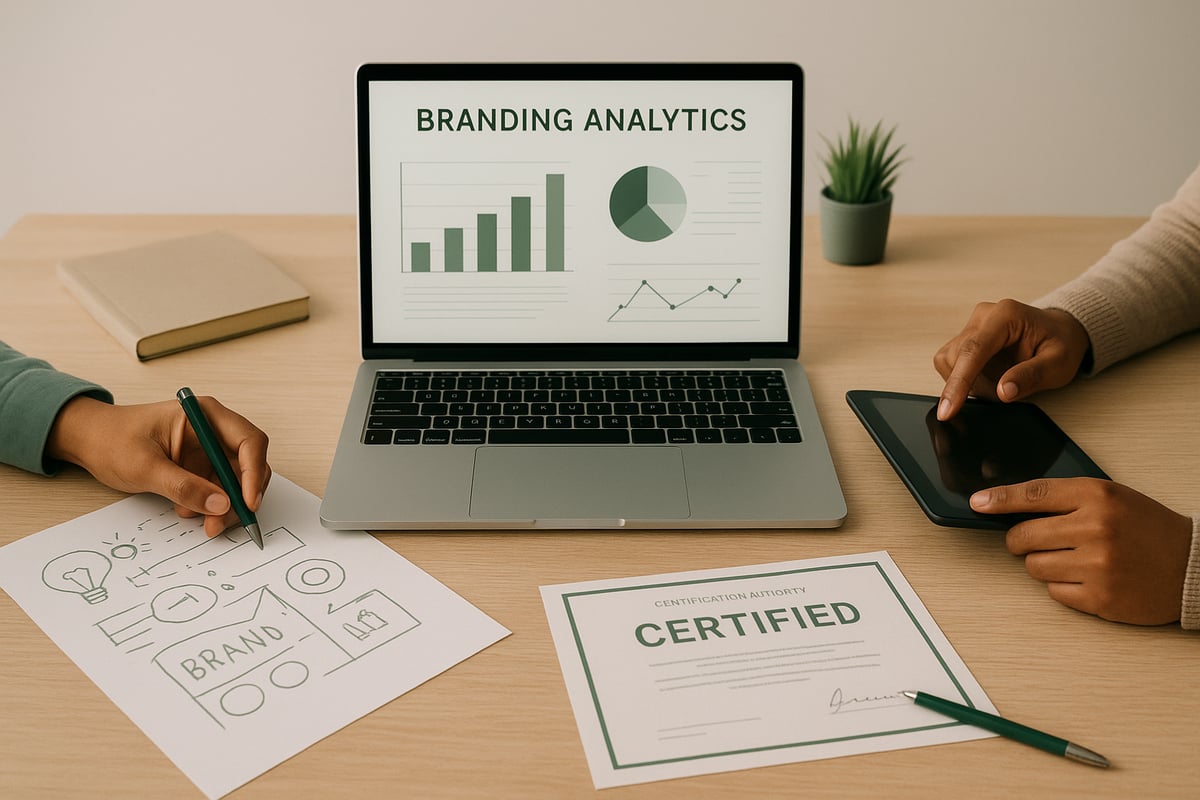
A brand strategist blends creativity with business sense. The foundation often starts with degrees in marketing, business, psychology, or communications. These programs build analytical thinking and insight into consumer behavior.
For those wanting to stay ahead, digital marketing bootcamps and short courses are invaluable. Certifications such as Brand Management, Digital Marketing, and Sustainability show commitment to growth. According to the Brand Strategist Skills Overview, credentials in social media, analytics, and creative strategy are increasingly sought after.
Consider this path as a journey, not a checklist. The best brand strategist never stops learning, adapting coursework to the shifting landscape.
Must-Have Tools and Platforms for 2025
No brand strategist can work in isolation from technology. The right tools help you see deeper, create faster, and collaborate better.
Here is a quick comparison of essential platforms:
These platforms enable a brand strategist to monitor trends, generate content, and align teams across the globe. Mastery of these tools is not optional, it is a baseline for impact.
Networking, Communities, and Mentorship
Being a successful brand strategist means connecting with others who share your vision and drive. Professional branding communities, like The Branding Journal Community, are spaces to exchange ideas and learn from peers.
Attend industry events, webinars, and workshops to stay current. These gatherings are where trends are discussed and relationships are formed. Finding a mentor or peer group can accelerate your growth, offering feedback and support during challenges.
Building a network is not just about career advancement. It is about belonging to a community invested in the future of branding.
Case Studies: Brands Excelling with These Skills
Some of the most admired brands today are led by teams who invest in the right skills and resources. For example, a global sportswear company leveraged cross-functional collaboration and digital analytics to create a campaign that resonated with Gen Z, resulting in double-digit engagement growth.
Another brand, known for its ethical leadership, built trust through transparent sustainability reporting and earned industry-wide recognition. Integrating performance marketing with brand building, as explored in Balancing Brand Building and Performance, has helped brands maintain both immediate results and long-term equity.
These stories show that when a brand strategist invests in education, technology, and community, their impact multiplies.
Future-Proofing Your Brand Strategy Career
Adapting as a brand strategist in 2025 is not just about keeping up, it is about staying ahead. The landscape shifts quickly, and those who commit to lifelong growth will find new opportunities, even when the ground feels uncertain.

Embracing Lifelong Learning and Adaptability
A successful brand strategist treats learning as a daily habit, not a checkbox. The industry evolves fast, with new tools, consumer behaviors, and platforms surfacing each year. Staying relevant means carving out time for reading, online courses, or industry podcasts.
Resources like the Brand Strategist Skills Assessment help you pinpoint strengths and gaps. Regularly reviewing your skills ensures you can pivot quickly when trends or technologies shift. This ongoing curiosity is what sets apart those who lead from those who follow.
Measuring and Demonstrating Impact
To show your value as a brand strategist, you must measure what matters. Focus on KPIs like brand awareness, engagement rates, and equity growth. These metrics tell the story of your work and help you make the case for your strategies.
Use clear dashboards or summary tables to communicate results to stakeholders. For example:
Translating data into insights makes your impact visible and builds trust with decision-makers.
Navigating Career Paths and Advancement
The career journey of a brand strategist is rarely linear. You might start in an agency, move in-house, or even launch your own consultancy. Each path offers unique lessons and challenges.
Look for opportunities to lead projects, mentor others, or take on cross-functional roles. These experiences build the skills needed for advancement, whether you are aiming for manager, director, or founder. Remember, every step builds your story as a brand strategist.
The Mindset of a 2025 Brand Strategist
In 2025, resilience, curiosity, and a growth mindset are your best tools. The best brand strategist is not just a planner, but a proactive shaper of the future. This means embracing ambiguity, asking tough questions, and staying open to feedback.
Trends like authenticity and social values will keep shaping the role, as highlighted in Brand Strategy Trends 2025. When you lead with purpose and adaptability, you do not just keep pace, you help set the direction for where branding goes next.
We’ve covered a lot about what it takes to lead a brand forward in 2025—skills rooted in empathy, clarity, and adaptability that don’t just sound good on paper, but actually drive connection and growth. If you’re feeling the pressure to make your brand voice more real, more consistent, or more you, you’re not alone. That’s the kind of work I do with founders every day—helping you take what’s true and turning it into messaging you can actually lead with. If you’re ready to get unstuck, let’s talk. Let’s find your real voice.