Website Brand Guide: Build a Memorable Identity in 2025
In today's crowded digital world, your website brand is often the first impression people get of your business. What you show and say online can make or break trust in seconds.
A clear, strategic website brand guide helps you stand out, build credibility, and connect with your audience in 2025 and beyond. Founders, marketers, and creative teams all need this blueprint to create a presence that is both memorable and trustworthy.
This article walks you through the psychology behind unforgettable brands, the must-have elements of identity, a step-by-step website brand guide, real-world examples, and trends to prepare you for the future.
The Psychology Behind Memorable Website Brands
First impressions online are instant. When someone lands on your site, their brain forms a judgment in just 0.05 seconds. That fleeting moment is all your website brand gets to win attention or lose it. The stakes are real: in a world with over a billion active sites, standing out is a matter of milliseconds and emotion.

Understanding Brand Perception and Emotional Connection
Our brains are wired for stories and feelings. When we encounter a website brand, we aren’t just looking at logos or colors—we’re searching for meaning and connection. Great brands like Apple and Airbnb understand this. Their sites communicate trust, ease, and aspiration within seconds.
Research shows that brands which spark emotion are remembered longer and inspire loyalty. Authenticity and consistency are the invisible threads pulling users closer. If your website brand feels genuine and stable, people trust you more and are likely to return.
The concept of emotional branding explains why brands that make us feel something—excitement, safety, hope—stick in our minds. It’s not just about selling, but about belonging. That’s why your website brand should aim for resonance, not just recognition.
The Science of Visual Identity
Visual cues shape how we interpret and remember a website brand. Color, typography, and imagery all carry psychological weight. For example, 93% of people say visual dimension influences their purchase decisions. Blue signals reliability, while bold fonts can project confidence.
A strong website brand uses no more than three fonts, keeps color choices accessible, and places logos where eyes naturally scan—top left, favicon, and footer. These small choices build a visual language that feels both unique and familiar.
Consider this:
Consistency across these elements signals professionalism. When every detail aligns, your website brand becomes more than a look—it becomes a feeling.
Cognitive Load, User Experience, and Differentiation
Clarity cuts through the noise. When a website brand reduces cognitive load, users stay longer and bounce less. Simple layouts, clear messaging, and intuitive navigation all contribute to a positive user experience.
With 1.14 billion websites live and 175 new ones appearing every minute, differentiation is non-negotiable. A memorable website brand isn’t just pretty—it’s clear, accessible, and unmistakably yours.
Ask yourself: does your site make people feel at home, or lost in a crowd? The answer shapes not only how users remember you, but whether they choose to engage at all.
Core Elements of a Website Brand Guide
Building a memorable website brand begins with a clear, actionable brand guide. This guide is more than a style sheet—it's a roadmap for every visual, verbal, and experiential touchpoint your audience encounters. Let’s break down the core elements that shape a cohesive, standout digital identity.
Visual Identity: Logo, Colors, and Typography
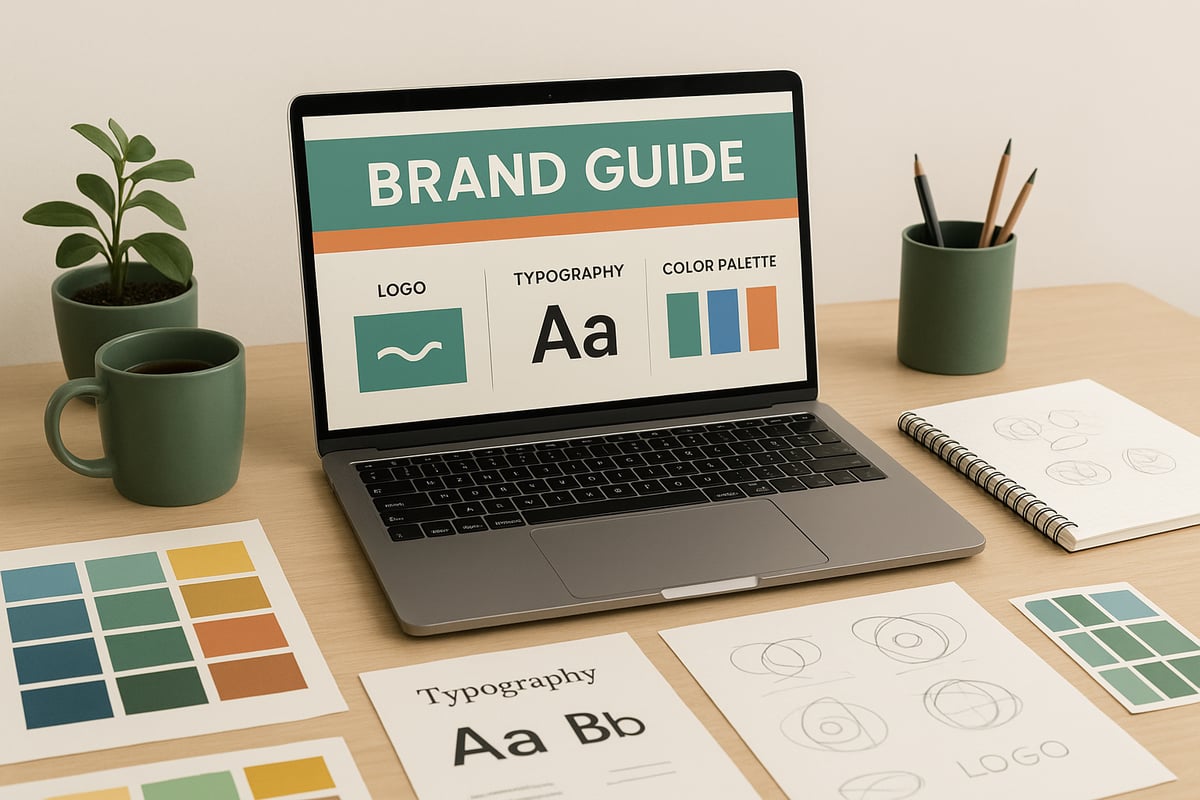
Your website brand’s visual identity is the first thing visitors notice. A distinct logo, thoughtfully placed, anchors your digital presence. Most brands position their logo at the top left, include a favicon, and repeat it in the footer for consistency.
Color choices are not just aesthetic—they shape emotion and accessibility. For example, blue signals trust and is often used for links, while high-contrast palettes help those with color-vision differences. Typography sets the tone: limit your site to three fonts, with clear hierarchy for headings, subheadings, and body text.
Here’s a quick comparison:
Consistency in these areas ensures your website brand stands out and stays memorable.
Messaging and Voice
A strong website brand speaks with a clear, consistent voice. Define your tone—are you friendly, expert, or bold? Choose language that reflects your brand’s personality, then align your copy with your visual identity.
Effective messaging appears in every headline, CTA, and tiny bit of microcopy. Think of Airbnb’s “Belong Anywhere” or Mailchimp’s playful guidance. These choices create trust and emotional connection.
For a deeper dive into crafting messaging frameworks that scale, see Essential brand messaging pillars. Aligning your website brand’s voice with its visuals ensures every visitor feels the same story, no matter where they land.
Imagery, Graphics, and Iconography
The images, graphics, and icons you choose tell your website brand’s story visually. Select imagery that supports your values and narrative. Custom graphics—like illustrations or unique icons can set you apart from generic stock visuals.
Consistency is key. Use the same style for banners, product photos, and social previews. This creates a unified experience, making your website brand instantly recognizable across every digital channel.
Review your visual assets regularly. Do they reflect your brand’s purpose? If not, refine your library to ensure every image and icon supports your website brand’s message.
Brand Guidelines Documentation
A comprehensive, accessible website brand guide keeps your team aligned. This document should include:
- Visual assets (logos, colors, fonts)
- Messaging frameworks and tone rules
- Usage guidelines for every element
Making your website brand guide easy to find and use prevents confusion and protects brand integrity. Use digital tools or templates for distribution, and update your guide as your website brand evolves.
A well-documented website brand guide empowers every team member—from designers to copywriters—to create consistent, on-brand experiences that build trust and recognition.
Step-by-Step: Building a Memorable Website Brand in 2025
Building a memorable website brand in 2025 is not about chasing fleeting trends. It is about intentional, step-by-step creation. Each phase builds on the last, creating a foundation that can stand the test of time and change. Let us walk through the six key steps that will bring your website brand to life.

Step 1: Define Your Brand Identity
Every strong website brand begins with clarity. Start by defining your mission, vision, and core values. These are not just words on a page—they are the compass for every decision you make.
Research your audience deeply. What are their needs, habits, and aspirations? Use surveys, interviews, and analytics to gain insight. Map out their pain points and what delights them. This understanding lets you craft a value proposition that actually matters.
Develop a positioning statement that sets your website brand apart. Who do you serve, and why are you different? Humanize your strategy by creating detailed personas. Give each persona a name, a story, and a set of needs. This keeps your website brand messaging focused and real.
If you want a deeper dive into this foundational step, crafting an effective brand strategy can help sharpen your direction.
Step 2: Develop Your Visual Identity
Visuals are the handshake of your website brand. Your logo should be distinctive, versatile, and instantly recognizable. Place it on the top left of your site, make it your favicon, and ensure it looks sharp even at small sizes.
Choose a color palette that reflects your brand’s personality and is accessible to all. Think about color psychology—blue is trustworthy, green feels fresh. Check your palette for accessibility so everyone can experience your website brand equally.
Limit typography to two or three typefaces. Set a clear hierarchy: headlines, body copy, captions. The right fonts communicate your brand’s tone before a single word is read.
Build a library of images and graphics that tell your story. Use custom icons and photos that feel authentic. Consistency here makes your website brand recognizable everywhere it appears.
Step 3: Establish Your Brand Voice and Messaging
The way your website brand speaks is just as important as how it looks. Define the tone, warm, authoritative, playful, or bold. Choose language that matches your values and resonates with your audience.
Write key messages and taglines that are simple and sticky. Your calls to action should be clear and compelling. Microcopy, those little bits of text in buttons or tooltips, should echo your brand’s personality.
Align everything you write with your visual identity. If your look is minimal, keep language streamlined. If you are vibrant, let your words show energy. Create messaging templates for different pages and campaigns. This keeps your website brand voice consistent, no matter who is writing.
Step 4: Design Your Website for Brand Consistency
Your website brand needs to show up at every touchpoint. Apply your visual identity to layouts, navigation, and UI elements. Buttons, banners, and icons should all reflect your brand’s style.
Design for mobile first. Make sure every element is responsive and accessible. Use your branded assets in blog headers, forms, and even the footer. Small touches like a custom 404 page, reinforce your website brand in unexpected moments.
Map out user journeys and make sure your brand is present at each step. Consistency builds trust, and trust drives action.
Step 5: Document and Distribute Your Brand Guide
A website brand is only as strong as its documentation. Create a comprehensive brand guide that includes all your visual assets, messaging frameworks, and rules for usage.
Use clear sections: logo use, color codes, font sizes, image styles, and voice principles. Make the guide accessible to everyone—designers, writers, developers, and partners.
Share your guide widely. Train your team on how to use it. Encourage feedback and update it as your website brand evolves. A living document keeps everyone rowing in the same direction.
Step 6: Monitor, Measure, and Refine
Your website brand is not static. Use analytics to track user engagement, bounce rates, and conversions. Set up dashboards for real-time feedback.
Invite users to share their impressions. Run surveys, gather testimonials, and listen to what is working—or not. Use this data to make small, intentional tweaks over time.
Stay open to change. As your business grows, your website brand will need to adapt. Regular reviews and updates keep your brand relevant and resilient.
A memorable website brand is built step by step—with intention, care, and a willingness to listen. The journey is ongoing, but the results are worth it.
Building Brand Trust and Authority Online
First impressions online are fragile. People decide within moments if they trust what they see. Your website brand is more than just a logo or a color palette—it is the sum of every detail, every interaction, and every story you tell.
Consistency Builds Credibility
Trust is not a single moment, it is built through repeated, consistent experiences. When your website brand looks, feels, and sounds the same across every page, users feel safe. They know what to expect, and that familiarity creates confidence.
Consistency also signals professionalism. From the navigation bar to the microcopy in your forms, each element should reinforce your promise. This cohesion is what separates a memorable website brand from one that fades into the background.
For founders who want measurable impact, balancing brand building and performance is essential. It is not just about looking polished—it is about ensuring every brand touchpoint supports both trust and business goals.
Authority Through Thought Leadership and Proof
A powerful website brand does not just tell people what you do—it shows them why they should believe. Thought leadership is one of the most effective ways to build authority online. By sharing insights, publishing resources, and offering real value, your website becomes a destination, not just a stop.
Testimonials and case studies are proof points. They give your audience real stories and outcomes to trust. Whether you are a SaaS company sharing customer wins or an e-commerce leader displaying user reviews, these elements turn claims into credibility.
Social proof is not just about quantity. The right story, told well, can change how people see your website brand. It is about resonance, not just reach.
Data-Driven Trust and Real-World Examples
Building authority is not a one-time event. It is a cycle of measurement and refinement. Use analytics to track how people interact with your website brand. Are they staying? Are they clicking? Are they coming back?
Traffic, conversion rates, and engagement metrics are not just numbers. They are insights into what builds trust and where your brand might fall short. The best brands—across SaaS, e-commerce, and beyond—use this data to evolve. They listen to feedback, adapt their messaging, and update their visuals to stay relevant.
A strong website brand is not static. It is a living promise, always growing, always earning trust with every visit.
Real-World Examples of Effective Website Brand Guides
Looking at real-world website brand guides brings clarity to what works and why. When you see how other teams have built their digital presence, you begin to understand how color, typography, and messaging come together to create a memorable experience.
Let’s compare three standout website brand examples from different sectors:
Each website brand in this table demonstrates a unique approach, yet all share a few traits: consistency, clarity, and a focus on user trust. For example, Stripe’s use of bold color and clean layouts sets it apart from more traditional competitors, while Mayo Clinic’s calm palette supports its promise of care and expertise.
When you look closer, the best website brand guides pay attention to details like accessible color contrast and scalable typography. They use imagery that aligns with their values, whether it’s photos of real patients for healthcare or abstract shapes for creative agencies. Headlines and calls to action are crafted to reflect the brand’s voice — Mayo Clinic’s “Your health, our mission” feels different from Stripe’s direct “Start now.”
Lessons from these examples:
- Consistency across touchpoints builds recognition and trust.
- Strong messaging and visuals reduce cognitive load and keep users engaged.
- Documented guidelines help teams scale without losing authenticity.
- Adapting your website brand for usability and accessibility opens your site to more people.
For teams seeking inspiration or best practices, resources like UCLA Web Best Practices show how a robust website brand guide can unify usability, content, and visual identity.
Research shows that branded websites with clear guidelines drive higher engagement and conversion rates. A memorable website brand is not just about looking good, but about building trust over time. When your brand guide is strong, every visitor feels the difference.
Future-Proofing Your Website Brand for 2025 and Beyond
The digital world never stands still. Every year, new technologies and shifting user habits change how people experience your website brand. If you want your brand to last, you have to think beyond the trends and prepare for what’s next.
Embracing Emerging Trends
Today, the most memorable website brand experiences are shaped by AI-driven personalization, interactive content, and new accessibility standards. Brands that use AI to tailor content or recommend products stand out and build loyalty. Interactive branding, like live chat or dynamic visuals, keeps users engaged and coming back.
Accessibility is more than a legal checkbox. It’s a signal that your website brand values every visitor. As standards evolve, updating your brand guide to include clear color contrast, alt text, and screen reader support isn’t just smart—it’s essential. For deeper insights on aligning with these changes, see Web Design Best Practices 2025.
Adapting for New Channels and Touchpoints
The way people interact with your website brand is changing fast. It’s not just laptops and phones anymore. Voice search, smart devices, and immersive experiences like AR are becoming part of daily life.
Is your brand guide ready for these new channels? Think about how your voice, visuals, and messaging will translate to a smart speaker or a wearable device. If you’re building a personal or founder-led site, you’ll find practical advice on adapting your brand for new platforms in Building your personal brand online.
Building Systems for Brand Consistency
Future-proofing isn’t about chasing every trend. It’s about creating systems that keep your website brand consistent, even as you grow or pivot. Document your visual and messaging standards in detail. Make sure your guidelines cover emerging platforms and new content types.
Train your team, both new and experienced, to use your brand guide as a daily tool. When everyone understands and applies the same rules, your brand feels unified across every touchpoint. This foundation builds trust and makes adapting easier.
Action Steps for Long-Term Resilience
To keep your website brand ready for 2025 and beyond, take these steps:
- Schedule regular brand audits to spot gaps or outdated elements.
- Run training sessions so your team stays aligned on standards.
- Update your guide as new channels, tech, or design needs emerge.
- Gather feedback from users and stakeholders for continuous improvement.
Building a resilient website brand isn’t a one-time project. It’s an ongoing process of learning, adapting, and showing up with clarity and confidence, no matter how the digital landscape shifts.
How Strategic Brand Messaging Accelerates Website Branding Success
A website brand is more than a logo or a color palette. It is the sum of every word, every headline, and every story you share. Clear, emotionally intelligent messaging anchors your brand in the mind and heart of your audience. If you want to understand why some brands linger in memory, look to the science of Neurobranding, where emotion and cognition shape every first impression.
Messaging does the heavy lifting for your website brand. Founder-led and expert-led companies have an edge—they can channel lived experience, proof, and personality into their story. When your messaging is rooted in truth, it builds trust. The most resilient brands rely on practical voice systems and scalable frameworks. These systems ensure your team can keep pace with growth without losing authenticity.
Working with a strategic brand messaging consultancy like Kedra&Co. gives your website brand more than visual polish. It gives you confidence and clarity at every digital touchpoint. A clarity reset or message refinement project can turn a scattered presence into a focused, compelling story—ready for whatever 2025 brings.
You’ve seen how a memorable website brand is more than colors or clever words—it’s about showing up as yourself, every time, everywhere your audience lands. Clarity and consistency aren’t just nice to have; they’re what set you apart in a world of noise. If you’re ready to build a brand that honors your story and feels true to who you are, I’d love to help you get there. Let’s cut through the guesswork and find the voice that actually fits. Let’s shape a brand that sounds like you