The Essential Guide to Brand Guidelines in 2026
In 2026, the pressure to keep your brand consistent is higher than ever. Consumers spot off-brand signals instantly and crave authenticity from every interaction.
With digital platforms and design trends changing rapidly, it’s easy for brands to lose their sense of self. That’s where brand guidelines come in, providing the structure your team needs to stay aligned and build trust.
This guide will show you what brand guidelines are, why they matter now, what elements you must include, how to create your own, and how top brands put them into practice.
What Are Brand Guidelines?
Brand guidelines are the backbone of a brand’s public identity. They are more than a checklist; they are the rules that shape how your brand is seen, heard, and felt across every interaction. These rules cover everything from visuals to messaging, helping your team stay on track as your brand grows.
Definition and Purpose
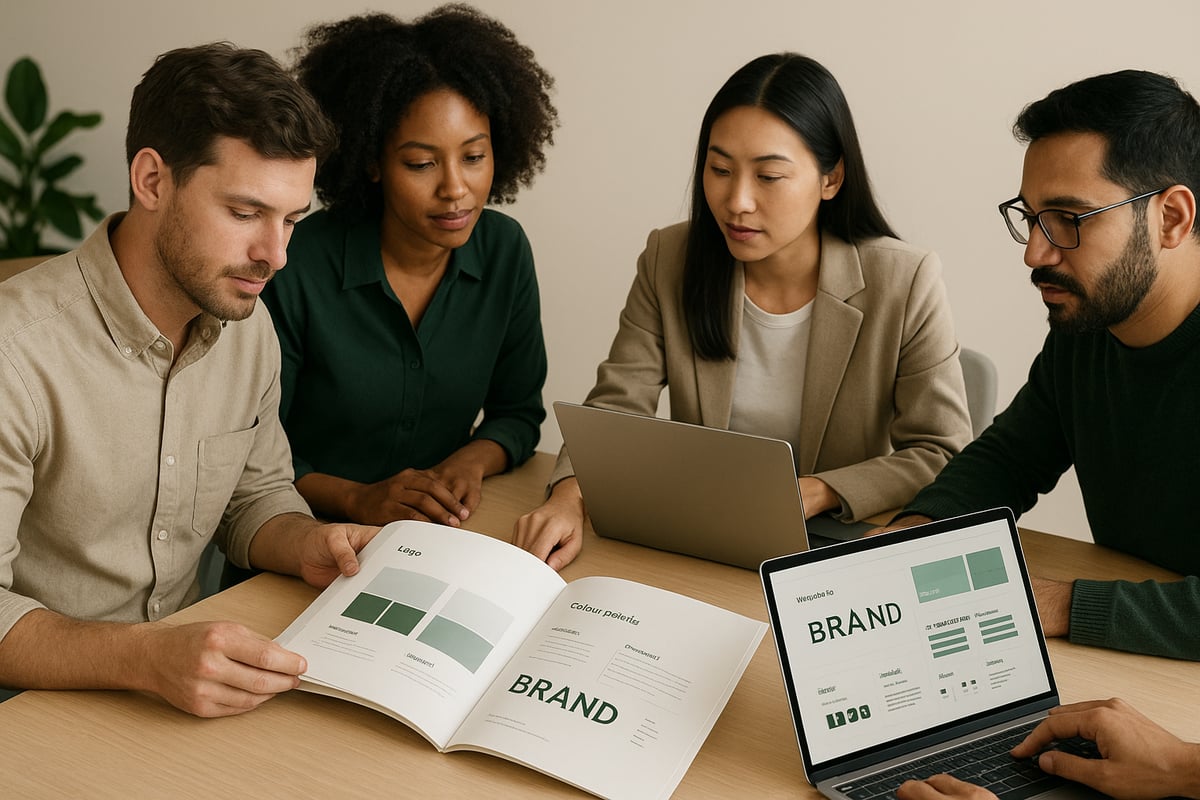
Brand guidelines, also known as a brand style guide, brand book, brand kit, or brand identity guidelines, are a set of documented rules for how a brand should appear and sound. They ensure that every visual, verbal, and experiential element aligns, no matter who is creating the content or where it appears.
Think of brand guidelines as a roadmap for both internal teams and external partners. They lay out specifics, like which logos to use, approved color palettes, typography rules, and imagery styles. For example, Shopify’s brand guidelines are shared as a downloadable PDF, outlining logos, fonts, colors, and imagery in detail. This clarity helps prevent mistakes and keeps the brand’s presence strong and unified.
Why does this matter? Without brand guidelines, brands risk inconsistency and confusion, which can damage trust. Whether you’re a solo founder or a global company, having clear rules is essential. As Shopify puts it, the job of brand guidelines is to show you how to use brand assets, not just what they are.
For founders and teams, understanding the fundamentals of brand strategy is crucial to building effective brand guidelines. You can learn more about these foundational principles in Brand strategy fundamentals.
Brand Guidelines vs. Brand Identity
Brand identity is the collection of choices that define how your brand looks, feels, and sounds. It is the heart of your brand—the colors, fonts, logo, tone, and story that make you unique. Brand guidelines, on the other hand, are the rulebook for expressing that identity consistently.
Imagine your brand identity as the blueprint for a house, and brand guidelines as the construction manual. The guidelines bridge the gap between strategy and execution, ensuring that your vision is translated into reality, every time.
Margaret Pilarski describes brand guidelines as the “roadmap for presenting identity.” They provide structure, so whether someone is designing a website or writing a social post, the brand feels familiar and true to itself. This alignment helps everyone, from new hires to agency partners, work from the same playbook.
The Evolution of Brand Guidelines in 2026
Today, brand guidelines do more than outline logos and color codes. The digital landscape is always shifting, and so are the expectations placed on brands. In 2026, guidelines have expanded to include accessibility standards, motion design rules, social media behaviors, and even protocols for AI-generated content.
Modern brand guidelines are living documents. They must adapt as platforms, technologies, and audiences evolve. This flexibility means updating rules for new channels, adjusting for inclusive language, or adding guidance for animated assets.
Many brands now use digital brand management platforms, making it easier to keep guidelines current and accessible. Staying relevant in 2026 means your brand guidelines should not only reflect your brand’s core but also leave room for growth and innovation.
Why Are Brand Guidelines Critical in 2026?
In 2026, the stakes for brand guidelines have never been higher. Every interaction, from a tweet to a product unboxing, shapes how customers see your brand. Consistency is not just a best practice, it is a business imperative. Let us break down why brand guidelines are now mission-critical.
Building Trust and Recognition
Trust is earned through reliability. When your brand guidelines are followed, customers instantly recognize your brand, no matter where they encounter it. A single off-brand color or inconsistent logo can break that trust and make your business seem careless.
Consistent branding is proven to deliver results. According to industry data, maintaining brand guidelines can boost revenue by up to 20% because customers are more likely to remember, trust, and choose your brand. For more on this, see Brand consistency boosts revenue by 20%.
If you skip or bend the rules, confusion sets in. Over time, even loyal fans may drift away, unsure what your business stands for. Brand guidelines serve as your north star, helping every touchpoint build recognition and loyalty.
Enabling Team Alignment and Collaboration
Brand guidelines are not just for designers. They unite marketing, sales, support, and even outside partners under one banner. When everyone shares the same playbook, your messaging stays on point.
Onboarding new teammates gets easier. Instead of endless debates about colors or tone, your team can focus on creating, not correcting. Guidelines save time and prevent misunderstandings before they start.
Clear brand guidelines also help agencies or freelancers hit the ground running. They know exactly how to represent your brand, keeping campaigns aligned and effective.
Streamlining Creative Processes
Without brand guidelines, creative work can stall. Every asset becomes a negotiation, slowing down launches and draining team energy. Guidelines remove the guesswork.
Think of them as a recipe for your brand. Designers and writers can quickly pull the right ingredients, confident they are using the approved elements. This speeds up approval cycles and frees your team to focus on what matters: creative ideas that drive growth.
Automated tools can now generate assets using your guidelines, making consistent execution even easier.
Protecting Brand Assets and Reputation
Your logo, colors, and messaging are valuable assets. Brand guidelines act as a shield, preventing misuse that could damage your reputation.
For example, clear rules about logo spacing or color usage ensure your brand always looks professional. If someone misuses your assets, you have documented standards to back up your response.
Legal protection is another layer. Guidelines can help enforce trademarks and copyrights, giving you recourse if your brand is misrepresented.
Supporting Brand Evolution and Growth
As your business grows, your brand guidelines become the foundation for scaling. Whether you are entering new markets or launching a new product, guidelines ensure every extension feels connected yet fresh.
Modern guidelines are flexible. They allow space for experimentation within set boundaries, so your brand can evolve without losing its core identity.
Brands like Omsom and Heyday Canning Co. show how updating guidelines can help reach new audiences while staying true to their roots.
Meeting Accessibility and Inclusivity Standards
In 2026, inclusivity is not optional. Customers expect brands to be accessible and reflect diverse perspectives. Brand guidelines now cover color contrast, font sizes, and alternative text, making sure everyone can engage with your content.
Inclusive imagery and language are also essential. Guidelines help your team avoid stereotypes and choose visuals that welcome all.
When to Create or Update Brand Guidelines
Brand guidelines are not a one-and-done project. Major changes, like website redesigns, new product launches, or scaling up, are good times to revisit your rules.
If you are working with new partners or entering a new market, updated guidelines ensure everyone is aligned. Regular reviews keep your brand strong, relevant, and ready for what is next.
Key Elements of Modern Brand Guidelines
Brand guidelines in 2026 are living documents, not just static PDFs. They help everyone from designers to founders keep the brand’s presence clear, cohesive, and true across every channel. Let’s break down the essential components every modern set of brand guidelines should include.

Visual Identity Essentials
Visual identity is the most instantly recognizable part of brand guidelines. It sets the foundation for how your brand looks in the world. Start with clear rules for logo usage, including variations, minimum sizing, spacing, and examples of what not to do.
Typography is next. Define your primary and secondary fonts, usage hierarchy, and pairing rules. Outline color palettes with hex codes, specifying primary, secondary, and accent colors.
Imagery is crucial. Offer guidance on photography style, illustration, and icon use. Show what fits and what doesn’t. Design elements like shapes or patterns should have clear instructions, too. Heyday Canning Co. is a great example, with playful fonts and earthy colors that reflect their story. This visual consistency anchors every other part of your brand guidelines.
Verbal Identity and Messaging
The way your brand sounds is just as vital as how it looks. Brand guidelines should define the core voice and tone, offering examples for different contexts. Spell out grammar and style conventions, preferred language, and formatting to keep communication consistent.
Include your mission statement and values, ensuring everyone knows what you stand for. Messaging pillars make it easier to craft campaigns and content that ring true. For a deep dive on tone, see Defining your brand's tone of voice. Frank Body excels at this, using a laidback, empowering voice paired with a text-based logo.
With clear verbal identity, your brand guidelines become a playbook for authentic, aligned messaging.
Audience and Positioning
Brand guidelines are only effective if they help you connect with your real audience. Start by describing your primary demographics and psychographics. Build simple personas to show who you’re speaking to and what matters to them.
Explain how visuals and messaging should resonate with these groups. Omsom’s guidelines are a strong example, centering on first and second-generation Asian Americans. Their approach ensures every touchpoint feels personal and relevant.
Positioning statements clarify what makes you different. Document these in your brand guidelines, so everyone on your team understands the “why” behind your choices.
Digital and Social Media Guidelines
In 2026, digital presence is non-negotiable. Your brand guidelines must address web, mobile, and social media assets. Define standards for profile images, banners, and templates. Give instructions on adapting logos, colors, and fonts for different platforms.
Set rules for digital content tone and interaction. Use real examples from your feed to illustrate what works. Later Media stands out here, using vibrant accent colors to segment content and maintain consistency.
These digital guidelines help your brand stay recognizable, no matter where the conversation happens.
Accessibility and Inclusivity Standards
Modern brand guidelines must champion accessibility and inclusivity. Set minimum color contrast ratios for backgrounds and text. Recommend legible font sizes and specify accessible typefaces.
Guide teams on writing alt text for images and using inclusive language. Imagery should reflect real, diverse audiences. Allbirds leads by example, using grounded colors and photography that feels welcoming and sustainable.
By weaving accessibility into your brand guidelines, you make your brand open and authentic to everyone.
Legal and Usage Policies
Protecting your brand is a non-negotiable part of brand guidelines. Lay out trademark and copyright rules, especially for logos, taglines, and proprietary visuals.
Include instructions for third-party use, such as by partners or sponsors. Shopify’s public logo usage guidelines show how transparency can prevent misuse.
A clear legal section in your brand guidelines helps you avoid confusion and protect your reputation as your business grows.
Future-Ready Additions for 2026
Brand guidelines in 2026 need to anticipate change. Add motion and animation standards, including rules for animated logos and transitions. Address AI and generative content by setting boundaries for AI-generated visuals or copy, ensuring everything aligns with your core brand identity.
Sustainability and ethical guidelines matter more than ever. Document how to communicate your brand’s environmental or social commitments. Amika’s vibrant, inclusive photography is a model for blending diversity and ethics.
By evolving your brand guidelines with these future-ready elements, you keep your brand resilient and relevant in a fast-moving world.
Step-by-Step: How to Create Effective Brand Guidelines in 2026
Creating effective brand guidelines in 2026 is more than a checklist, it is a living process. The right approach anchors your brand in clarity and empowers your team to act with confidence. If you have ever felt your brand wandering, these steps will bring it back to center.

Step 1: Audit Your Current Brand Assets
Start with a clear-eyed inventory. Gather every logo, font, color palette, image, and messaging asset in use. Lay them out side by side, digital and print, and look for inconsistencies. Are your colors matched across platforms? Do your logos appear in multiple, slightly different forms?
A thorough audit is the first safeguard for brand guidelines. Shopify’s “brand foundation brief” is a practical tool for this, helping teams spot misalignments before they grow.
Step 2: Define or Refine Your Brand Identity
Before you set the rules, clarify what your brand stands for. What is your mission? Who do you serve, and why do you exist? These questions are the backbone of strong brand guidelines.
Kedra&Co.’s “Clarity Reset” is a great example of helping brands strip away noise and focus on their core. This foundation gives every guideline a purpose.
Step 3: Develop Visual Guidelines
Now translate your brand identity into visuals. Choose logos, fonts, and colors that reflect your story. Document every detail, from logo spacing to color hex codes.
If you need inspiration on imagery, Visual brand imagery rules breaks down how to set consistent standards for photos, illustrations, and icons. Your visual brand guidelines will become a reference point for every creative decision.
Step 4: Establish Verbal and Messaging Standards
Words shape perception as much as visuals do. Set clear rules for your brand voice and tone. How do you want to sound—friendly, authoritative, playful? Give concrete examples for each channel.
For a deeper dive into messaging framework, Creating brand messaging pillars explains how to articulate the beliefs that drive your communication. These standards keep your brand guidelines actionable and authentic.
Step 5: Address Digital, Social, and Accessibility Needs
Digital spaces have their own rules. Adapt your brand guidelines for web, mobile, and social platforms. Make sure your content is accessible to everyone, regardless of ability.
Later Media’s color and content guidelines are tailored for digital, showing how to make your brand shine in every feed and inbox. Accessibility is not optional—it is essential.
Step 6: Review, Test, and Iterate
No set of brand guidelines is perfect on the first try. Share drafts with key team members and listen closely to feedback. Test the guidelines in real campaigns and adjust what is not working.
Brands like Eat Curious use bold, experimental guidelines, refining them as they learn what resonates. Treat your brand guidelines as a living document, open to growth.
Step 7: Publish and Distribute Brand Guidelines
Decide how your brand guidelines will live—PDF, interactive platform, or digital management tool. The goal is easy access for everyone who touches your brand.
Many brands now use digital platforms for real-time updates, keeping everyone aligned as the brand evolves.
Step 8: Train Teams and Monitor Compliance
Even the best brand guidelines need champions. Run workshops and onboarding sessions to train your teams. Keep an eye on brand usage, and be ready to update guidelines as the brand grows.
Leveraging technology, such as AI-driven brand management tools, can make monitoring and compliance more efficient. For more, see AI's role in brand compliance.
Building brand guidelines is not a one-time task. It is a continuous act of stewardship, keeping your brand true to its purpose as it grows and changes. With these steps, you give your brand the structure it needs to thrive—today and in the future.
Real-World Brand Guidelines Examples and Best Practices
Every brand wants to stand out, but the secret is not just in being different. It is about being consistent, memorable, and trusted at every touchpoint. Let's look at how real companies use brand guidelines to shape their presence and protect what makes them unique.
Shopify
Shopify's brand guidelines are a masterclass in clarity. Their downloadable PDF covers every detail: logo use, fonts, color palette, and imagery. The guidelines are accessible to internal teams and partners, ensuring the brand always feels cohesive.
Public-facing logo usage rules protect Shopify's assets. When anyone, from a new hire to a global agency, needs direction, these brand guidelines are the source of truth. The structure is scalable and flexible, evolving as Shopify grows.
Looka
For startups and small businesses, Looka's Brand Kit makes brand guidelines practical. Their system auto-generates rules for logos, colors, and fonts. It also prompts companies to articulate their mission, values, and voice so every touchpoint feels intentional.
By simplifying the process, Looka helps founders build consistency quickly. The brand guidelines become a daily tool, not a forgotten document. This approach empowers teams to create confidently within clear boundaries.
Heyday Canning Co.
Heyday Canning Co. brings personality to life with playful fonts and a natural color palette. Their brand guidelines detail logo variations, typography, and color combinations. Each element is rooted in their story, from custom typefaces to the earth-inspired color choices.
These brand guidelines ensure every can, ad, or post feels unmistakably Heyday. With clear "do" and "don't" examples, the team protects the brand's joyful, grounded voice.
Omsom
Omsom's brand guidelines are deeply audience-centered. They focus on first- and second-generation Asian Americans, weaving cultural relevance and community into every rule.
From visuals to messaging, Omsom's guidelines help the brand connect authentically. The team uses these standards to make sure every campaign resonates and honors their roots. Consistency here is not just aesthetic, it is a matter of trust and representation.
Fremtind
Fremtind’s brand guidelines showcase modern minimalism. The design is structured, clear, and highly accessible. Custom icons, grid systems, and Scandinavian-inspired visuals set the tone.
Accessibility is not an afterthought. Every guideline supports legibility and inclusivity, reflecting best practices for today's digital-first world. Fremtind proves that structure and creativity can coexist within strong brand guidelines.
Duolingo
Duolingo’s playful identity shines through its brand guidelines. The rules for using their mascot, bright green palette, and friendly sans-serif fonts are clear and inviting.
These guidelines encourage fun and learning. They also ensure that whether on the app, social media, or in ads, Duolingo always feels approachable and consistent.
Allbirds
Allbirds uses minimalist brand guidelines to reinforce eco-friendly values. The cursive logo, natural color palette, and sustainable messaging are all codified.
Every visual and word choice supports the brand’s mission. The guidelines help Allbirds maintain a unified look and feel, from packaging to digital campaigns, while staying true to their purpose.
Amika
Amika’s brand guidelines are bold and inclusive. Neon colors, big typography, and diverse imagery reflect an unconventional, empowering spirit.
Clear rules for motion, photography, and color use help the team create vibrant, distinct content. The focus on diversity and ethical values is woven through every section, making the guidelines a living reflection of Amika’s culture.
Best Practices and Lessons Learned
What do these examples teach us about brand guidelines in 2026? Here are key takeaway
Looking ahead, sustainability and immersive tech are shaping the future of brand guidelines. For deeper insight, explore branding best practices for 2025 to see how emerging strategies can inform your own approach.
Brand guidelines are not just rules, they are a living system that grows alongside your business. When done right, they become the heartbeat of your brand, guiding every story you tell.
So much of what makes a brand last isn’t just how it looks—it’s how it sounds, how it feels, how it threads through every conversation and decision. You’ve seen how thoughtful guidelines can hold that thread steady, even as your business shifts or grows. If you’re ready to bring more of yourself into your brand’s voice—one that’s clear, consistent, and unmistakably yours—it might be time to go deeper. Together, we can shape a narrative that feels true at every touchpoint. Let’s shape a brand that sounds like you