The Essential Guide to Becoming a Brand Professional in 2026
Imagine standing out as a trusted expert when everyone is searching for a brand professional who brings real clarity and authenticity. The world of branding is shifting quickly, and knowing how to build trust has never been more essential.
In this guide, you will find clear steps, must-have skills, and actionable strategies to help you become a sought-after brand professional by 2026. We will explore the trends shaping the future of branding, the core skills you need, a step-by-step career roadmap, and proven methods to help you thrive.
Ready to build expertise that stands the test of time? Let’s get started.
The Future of Brand Professionals: Trends and Opportunities in 2026
Imagine looking ahead to 2026 and wondering what it really takes to thrive as a brand professional. The landscape is shifting, and those who adapt will find new doors opening. Let’s explore what the future holds, the skills you’ll need, and the new opportunities emerging in this space.

The Evolving Role of Brand Professionals
The role of a brand professional is expanding beyond classic logo and messaging work. Today, the focus is on managing the entire brand experience, from initial touchpoints to long-term reputation. Digital, social, and experiential branding now work together, requiring a broader skill set.
Personal branding is also on the rise, not just for influencers but for executives and team members within organizations. In many professional services firms, reputation and visibility are now as valuable as the service itself. In fact, 89% of businesses in 2025 identified brand visibility as a primary growth driver, highlighting the importance of a brand professional in shaping perception.
As expectations grow, so does the need for a brand professional to blend strategy, empathy, and technology. Those who can navigate this shift will be trusted advisors in their field.
Key Industry Trends Shaping 2026
Several trends are defining what it means to be a successful brand professional. AI-driven analytics and personalization are making it possible to tailor brand experiences at scale. Environmental, Social, and Governance (ESG) factors are moving to the forefront of brand stories, pushing for more transparency and authenticity.
Brands are now challenged to balance global consistency with local relevance. Messaging architecture helps companies speak to different audiences without losing their core identity. To stay ahead, a brand professional must master both data and storytelling, blending hard numbers with human connection.
For a deeper dive into what’s shaping branding in 2026, you can check out Branding Trends 2026, which explores everything from data transparency to cultural fusion.
Trust is the new currency. Brand authenticity and openness are no longer optional, and those who lead with honesty will set the standard for the industry.
Emerging Opportunities for Brand Professionals
The market for skilled brand professionals is growing, with new roles emerging every year. Consulting on brand architecture, leading launches and rebrands, and managing brand storytelling for founder-led companies are all in high demand.
Crisis management and rapid pivots have become essential skills, as brands must respond quickly to changing conditions. The most successful brand professional is someone who can anticipate change and guide organizations through uncertainty.
Statistics show that 72% of high-growth firms invest in continuous brand building and messaging refinement. This creates ongoing opportunities for any brand professional who is ready to evolve, specialize, and lead.
Core Skills and Competencies Every Brand Professional Needs
Imagine stepping into the shoes of a brand professional. What sets the best apart? It comes down to a blend of strategic thinking, curiosity, emotional intelligence, and adaptability. Let's break down the essential skills you need to thrive in this evolving field.

Strategic Brand Thinking and Positioning
Every brand professional starts with strategy. This means looking beyond logos and taglines to the heart of a business. Can you translate business goals into a clear brand direction?
Crafting positioning statements is both art and science. You need to be honest about what the brand can deliver, while still inspiring your audience. Take an accounting firm, for example. Positioning them as experts for franchise owners who value automation gives focus and clarity.
The strongest brand professional always roots strategy in real business context, not just creative flair.
Research and Audience Insight
A brand professional is only as good as their understanding of the audience. This starts with thorough research—internal reviews, market studies, and even direct conversations with clients.
Why does this matter? Firms that invest in regular brand research grow twice as fast as those that don’t. The insights you gather shape everything from messaging to service delivery.
When you know what your audience values, you help brands stand out for the right reasons and avoid wasted effort.
Differentiation and Messaging Architecture
How do you make a brand professional truly valuable? Focus on differentiation. Your job is to identify what makes a company unique, relevant, and credible.
Messaging frameworks, or architecture, help you organize these differentiators for different audiences and touchpoints. For a deeper dive into messaging frameworks and how they drive clarity, see Messaging pillars and differentiation.
A brand professional who masters this can help sales teams overcome objections and marketing teams build trust, all with a consistent story.
Digital Literacy and Brand Technology
A modern brand professional must be fluent in digital tools. This means knowing how to use analytics platforms, AI-driven monitoring, and content management systems.
Can you track brand sentiment online? Do you know how to manage digital assets and respond quickly to feedback? These skills are no longer optional.
The digital world moves fast, and a brand professional who stays up to speed will always be in demand.
Communication and Storytelling
At its core, branding is storytelling. A brand professional must turn complex ideas into simple, compelling narratives. This is how you connect emotionally with customers, partners, and employees.
Emotional intelligence is critical here. Sharing real stories—lessons learned, challenges faced, and behind-the-scenes moments—builds authenticity. When you communicate with heart and clarity, people remember your brand.
Project Management and Collaboration
The best ideas mean nothing without execution. A brand professional needs to manage projects, lead teams, and keep everything on track.
You’ll juggle timelines, budgets, and deliverables. Collaboration with creatives, strategists, and executives is part of daily life.
When you bring order and focus to complex projects, you make branding efforts both efficient and effective.
Adaptability and Continuous Learning
The world of branding changes rapidly. A brand professional must stay curious and open to new ideas. This includes tracking trends, adopting new tools, and learning from campaign data.
Feedback is a gift. Use it to refine your approach and keep your skills sharp. The most successful brand professional is always learning, always adapting, and never standing still.
Step-by-Step Roadmap: How to Become a Brand Professional in 2026
Becoming a brand professional in 2026 is less about memorizing tactics and more about building a mindset for adaptability and clarity. The journey is layered, yet every step adds a new lens through which you see the world of branding. Here is a practical roadmap for anyone ready to step into this evolving field.

Step 1: Build Foundational Knowledge and Credentials
Start by grounding yourself in the basics. Study marketing, communications, or psychology to understand how brands connect with audiences. Certifications in digital marketing or design can add credibility and context to your skill set.
Online platforms like LinkedIn Learning offer targeted courses, but dig deeper into what a brand professional actually does. For a more detailed look at this role, check out Brand strategist career insights.
The foundation you build here shapes every step that follows. Think of it as putting down roots before you grow.
Step 2: Gain Real-World Experience
Theory without practice falls flat. Internships, entry-level positions, or volunteering for a branding project will give you direct exposure.
Try working with nonprofits or startups where you can take on real responsibility. Document your process and results. This habit is essential for a brand professional who needs to show not just what they’ve done, but how they think.
Keep a record of your wins and lessons learned. Each project is a stepping stone.
Step 3: Master Brand Research and Audience Analysis
Understanding people is at the heart of branding. Conduct internal and external brand audits to see how a brand is perceived.
Use surveys, interviews, and analytics to uncover the needs and motivations of your audience. A brand professional knows that honest insights drive differentiation and relevance.
Practice making sense of data and turning it into stories that inform strategy. This step helps you move from guessing to knowing.
Step 4: Develop Brand Strategy and Positioning Skills
Learn to craft positioning statements that are both true and aspirational. Explore frameworks that help clarify what makes a brand unique.
A brand professional must identify real differentiators and use them to guide messaging. Work on real or mock projects to practice this skill.
Think of positioning as the anchor that keeps your brand steady in a shifting market.
Step 5: Build Digital and Social Branding Expertise
The digital world is a brand’s main stage. Create content, manage social media, and monitor brand sentiment online.
A brand professional who understands digital platforms can spot risks and opportunities quickly. Dive into analytics and experiment with different types of content.
Your goal is to stay visible and credible, whatever the platform.
Step 6: Cultivate Storytelling and Communication Mastery
Branding is about making people feel something. Practice writing brand stories, executive bios, and case studies.
A skilled brand professional knows how to translate complexity into clarity. Develop your public speaking and presentation skills. Share your own stories and lessons to connect with audiences.
Storytelling is how you build trust and keep attention.
Step 7: Network and Learn from Brand Leaders
Growth happens in community. Join branding associations, attend workshops, and participate in online groups.
A brand professional learns from those ahead on the path. Seek out mentors, ask questions, and offer your own insights.
Networking isn’t about collecting contacts, but about building relationships that sharpen your perspective.
Step 8: Build Your Personal Brand
You can’t help others build brands if you neglect your own. Define your differentiators and clarify your positioning.
A brand professional regularly shares insights, lessons, and curated content on platforms like LinkedIn. Use features like the “Featured” section to showcase your best work.
Personal branding is proof you live what you teach.
Step 9: Stay Agile and Invest in Continuous Learning
Branding will keep evolving. Stay curious about new tools, trends, and technologies.
A brand professional reviews and updates their skills regularly. Embrace feedback and adapt quickly.
Continuous learning isn’t a phase, it’s a mindset that keeps you relevant and resilient.
Building a Standout Brand Portfolio: Strategies and Examples
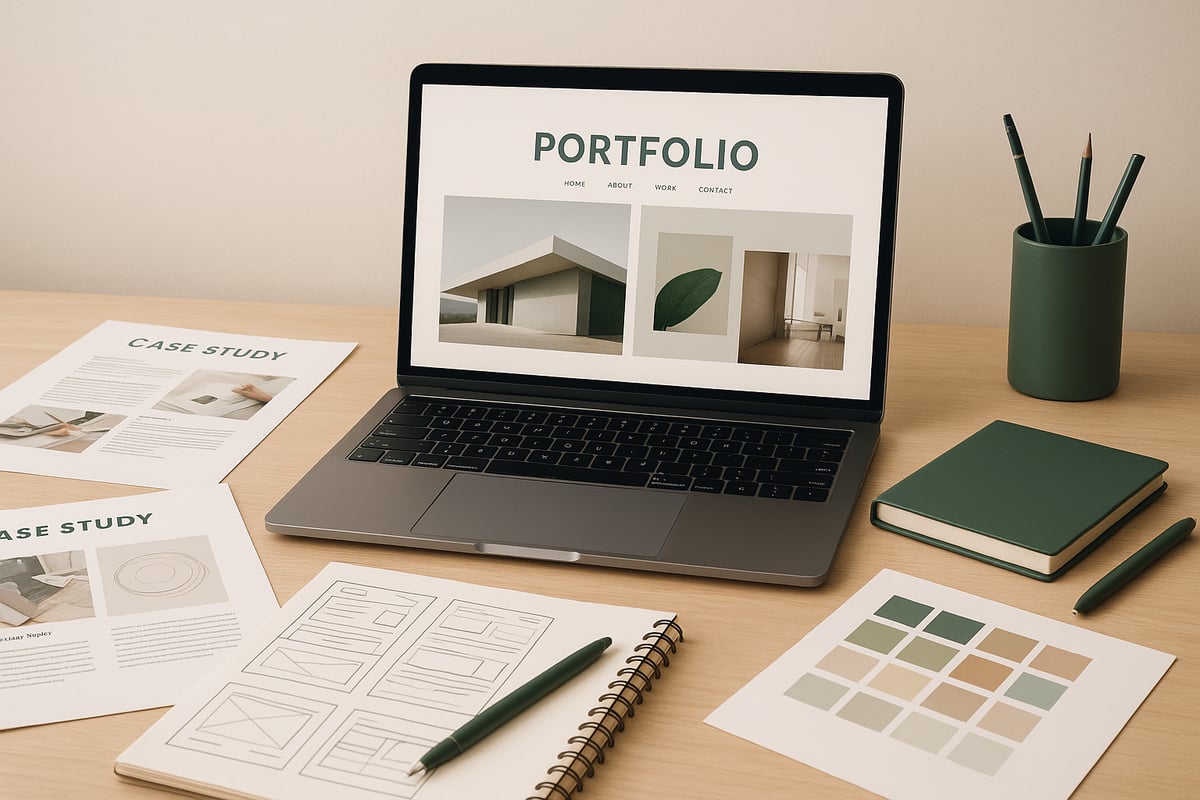
Building a standout portfolio is the foundation for every brand professional aiming to be noticed in 2026. A strong portfolio does more than showcase design, it reveals your thinking, adaptability, and the impact you create. Each project tells a story, revealing not just what you did but how you approached challenges unique to branding.
Assembling a Diverse and Impactful Portfolio
A brand professional’s portfolio must be a living collection of stories, not just a static gallery of logos. Include case studies from a variety of industries and brand types. Show projects that span launches, rebrands, and messaging transformations. When you document measurable outcomes—like increases in visibility, engagement, or reputation—you give concrete proof of your value.
Consider including projects where you led the process for launching a new brand process, as this demonstrates your ability to guide clients through complex transitions. Highlight your role and results, making it easy for viewers to connect your work to real business impact. This approach will set you apart as a brand professional who delivers more than surface-level change.
Demonstrating Strategic Thinking
The difference between a tactical portfolio and a strategic one is the story behind each result. For every project, document your process: the research, the strategy, the execution, and the measurable results. Include positioning statements and messaging frameworks you created for clients or leadership teams.
For example, show how you helped a founder-led brand shift its voice to better connect with a specific audience. Present before-and-after scenarios, and walk the viewer through your reasoning. As a brand professional, this depth of insight is what future employers and clients are looking for.
Showcasing Digital and Social Branding Skills
In 2026, digital and social branding are non-negotiable for any brand professional. Your portfolio should feature curated content, evergreen posts, and engagement strategies that you implemented across platforms. Include analytics or visuals that demonstrate your ability to drive reach, referrals, or conversation.
List the digital tools you used—such as content management systems or analytics dashboards—and provide context for your choices. This transparency shows that you are not only creative but also data-driven, which is essential for any modern brand professional.
Presenting Personal Branding Efforts
Your personal brand is as important as the brands you build for others. In your portfolio, dedicate a section to your own evolution as a brand professional. Share lessons learned, pivots made, or insights gained from your own journey.
Highlight thought leadership activities—such as public speaking, guest articles, or podcast features—that reinforce your expertise. This not only positions you as an authority but also gives potential clients and employers a sense of your values and vision as a brand professional.
Leveraging Testimonials and Third-Party Validation
Social proof is powerful. Collect testimonials from clients or employers that focus on your clarity, authenticity, and the real impact you delivered as a brand professional. When possible, include awards, certifications, or media coverage as additional validation.
Use a simple table to organize these endorsements for easy scanning:
This format makes your achievements tangible and credible, reinforcing your reputation as a trusted brand professional.
Keeping the Portfolio Current and Relevant
A standout portfolio is never finished. Regularly update it with new projects, industry trends, and fresh outcomes. Tailor your portfolio to the specific roles or sectors you target, ensuring every piece is aligned with where you want your career as a brand professional to go.
Stay attentive to shifts in branding best practices and audience expectations. By keeping your portfolio dynamic, you signal that you are a brand professional who evolves with the industry and always brings something new to the table.
Essential Tools, Platforms, and Resources for Brand Professionals
Staying current as a brand professional means knowing which tools, platforms, and resources help you move faster, see deeper, and connect more authentically. The right setup equips you to translate strategy into action, measure what matters, and keep your edge as the branding world shifts.
Digital Platforms for Brand Management
A brand professional relies on digital platforms to manage content, assets, and reputation. Tools like Brandfolder and Bynder make it easy to store, organize, and share brand assets with teams. Social listening platforms such as Sprout Social or Brandwatch help monitor conversations and brand sentiment. AI-powered analytics platforms now provide real-time insights, allowing a brand professional to quickly adjust messaging and maintain a consistent presence across all channels.
Research and Audience Insight Tools
Understanding your audience is fundamental for any brand professional. Survey platforms like Typeform and SurveyMonkey gather direct feedback. Audience insight tools such as Google Analytics and SimilarWeb reveal user behaviors and preferences. For competitive benchmarking, SEMrush or Ahrefs help you see where your brand stands. This data-driven approach ensures each brand professional crafts messaging that truly resonates.
Collaboration and Project Management Solutions
Branding projects rarely happen in isolation. Platforms like Asana, Trello, or Monday streamline project management, making it simple to track timelines, assign tasks, and manage deliverables. Cloud-based collaboration tools, including Slack and Microsoft Teams, keep communication flowing between cross-functional teams. For the brand professional, these solutions reduce bottlenecks and support seamless execution on campaigns or rebrands.
Learning and Professional Development Resources
Continuous growth is essential for any brand professional. Online platforms such as LinkedIn Learning and Coursera offer courses in brand strategy, digital marketing, and more. Podcasts, newsletters, and books from branding thought leaders keep you informed on evolving industry trends. Participating in branding communities and webinars also connects you with peers and mentors, strengthening your expertise and network.
Personal Branding and Content Creation Tools
A brand professional’s own brand is just as important as their client work. Platforms like WordPress or Squarespace make it simple to build a personal site or portfolio. Tools such as Canva, Adobe Creative Cloud, and Lumen5 allow you to create impactful graphics, videos, and presentations. For deeper insight on building your authority online, see Building a personal brand online.
Staying Ahead: Trend Tracking and Industry Reports
Staying ahead means knowing what’s next. Subscribing to industry reports, following trend analyses, and reading expert blogs keeps a brand professional informed and agile. Tools like Google Alerts and Feedly help you monitor important topics. For a deeper dive into what’s coming, check out Branding Trends in 2026 for insights on minimalist visual identities and motion-first branding.
Navigating Career Growth: Advancement Paths and Specializations
Every brand professional faces a crossroads at some point: which path leads to impact, fulfillment, and long-term growth? The journey is rarely linear, and it often blends personal ambition with industry needs. Let’s explore how a brand professional can chart a course that fits both their strengths and the evolving world of branding.
Career Pathways for Brand Professionals
A brand professional can grow into many roles, from strategist to manager to creative director. Some move into messaging consulting, while others pursue leadership as Head of Brand or even CMO. Agency founders and independent consultants also emerge from this field.
Each path requires a different blend of creativity, strategy, and people skills. The most successful brand professional learns to adapt, seeking out experiences that stretch their comfort zone. The common thread? A drive to shape how organizations are seen and remembered.
Specializations in High Demand
As the landscape shifts, new specializations become vital. Brand architecture and portfolio management are in demand for companies with complex offerings. Digital brand experience and user journey mapping are crucial for businesses prioritizing online presence.
ESG and purpose-driven branding, as highlighted in Branding Trends 2026, are becoming core to reputation management. Crisis and reputation management skills are also sought after, especially when rapid pivoting is needed. Specializing helps a brand professional stand out and command higher value.
Building Authority and Thought Leadership
To advance, a brand professional must be seen as a trusted voice. Publishing articles, speaking at events, and contributing to industry conversations are powerful ways to build credibility. Hosting webinars or writing for branding publications can open doors to new opportunities.
Thought leadership is not about self-promotion. It’s about sharing lessons, asking better questions, and sparking dialogue. Over time, this visibility leads to more influence and a broader professional network.
Expanding Skills Through Lateral Moves
Growth does not always mean climbing a ladder. Many brand professionals gain new perspectives by moving between in-house roles, agencies, and consulting. Each environment offers unique challenges, from internal brand culture to client-driven deadlines.
Lateral moves help a brand professional build a toolkit that is adaptable and resilient. Exposure to different industries and brand challenges sharpens problem-solving abilities and broadens one’s view of what branding can achieve.
Salary Trends and Market Demand
The outlook for brand professionals is strong. Industry reports project brand strategy roles to grow by 8 percent by 2026. Compensation is competitive, especially for those with expertise in high-demand specializations or leadership experience.
Companies are investing more in ongoing brand building and messaging refinement, reflecting the growing recognition of brand as a driver of business value. Staying current and expanding your portfolio keeps you relevant in a dynamic market.
Balancing personal brand growth with professional development is essential. The most rewarding careers are built on continuous learning, self-reflection, and a willingness to evolve as the field changes.
We’ve covered a lot together—strategy, real skills, the mess and magic of finding your footing as a brand professional. If you’re feeling ready to bring your own story forward, or you want to cut through the noise and lead with clarity, you’re not alone. Your brand deserves to sound like you—not like anyone else. When you’re ready to take the next step, I’m here to help you find the voice that fits—not just for now, but for every pivot and chapter ahead.