Brand Up Guide: Elevate Your Personal Brand in 2026
Did you know that 85% of hiring managers say a strong personal brand can make or break your next big opportunity? As 2026 approaches, your ability to brand up is no longer optional—it’s essential. Whether you want to stand out in college admissions, job searches, or launch your own venture, mastering personal branding opens doors to visibility, credibility, and influence. In this guide, you’ll learn how to define your unique value, build an authentic digital presence, leverage new tools, and future-proof your brand. Ready to brand up and set yourself apart? Let’s start your transformation.
The 2026 Personal Brand Landscape: Why It Matters More Than Ever
The world is noisier and more connected than ever. In 2026, your online persona is often your first handshake. To truly brand up, you need more than a polished resume. You need a living, breathing digital presence that speaks for you, even when you are not in the room.
Social media and digital platforms have turned personal branding into a daily reality for founders, professionals, and students alike. A single post, comment, or portfolio can open doors or close them. Your brand up journey starts where perception meets reality: in every Google search, profile view, and digital introduction.
The landscape is shifting fast. AI-driven recruitment, remote work, and digital portfolios are now the norm. Recruiters use algorithms and social signals to screen candidates. According to recent Personal Branding Trends and Statistics for 2025, 70% of employers check social media before making hiring decisions, and 85% of managers say a strong personal brand deeply impacts who they hire.
Here is a snapshot of the data shaping the brand up era:
For students, a compelling digital identity can tip the scales in college admissions. For professionals, the right brand up strategy often leads to new job offers, promotions, and visibility. Entrepreneurs attract investors and customers by narrating their unique journey online.
But it is not all upside. The digital world brings challenges, too.
To brand up with authenticity, you must cut through the noise. Consider the student who shared their STEM projects on LinkedIn and landed a scholarship interview. Or the founder who posted raw, honest stories and built a loyal following that led to a business partnership.
Neglecting your online presence in 2026 is risky. Missed connections, lost opportunities, and outdated profiles can quietly damage your reputation. In contrast, a thoughtful brand up approach helps you stay visible, credible, and memorable.
New formats are gaining ground: video resumes, personal websites, and long-form LinkedIn posts now signal expertise and initiative. Platforms like TikTok and YouTube reward creativity and consistency, while LinkedIn and personal websites remain anchors for professional storytelling.
To brand up in 2026, you need more than a profile. You need a strategy. The digital landscape will keep evolving, but a resilient, authentic personal brand will help you adapt, connect, and thrive.

Step 1: Define Your Unique Value Proposition
Personal branding starts with knowing yourself. Before you can brand up in 2026, you need clarity on what makes you different. This step is about turning inward, discovering your strengths, and shaping a narrative that sets you apart in a crowded world.

Discovering Your Strengths and Superpowers
Every strong brand up journey begins with honest self-discovery. Ask yourself: What are you naturally good at? What activities make you lose track of time? Reflect on your proudest moments, both personal and professional.
Self-assessment exercises can help you dig deeper. Try jotting down your top skills and passions, or use tools like StrengthsFinder and the VIA Survey to gain language for your unique abilities. These frameworks reveal patterns you might overlook, shining a light on your superpowers.
Feedback is essential. Reach out to peers, mentors, and colleagues and ask what qualities they see in you. Sometimes, others spot our strengths before we do. Research shows that 65 percent of successful professionals attribute career growth to self-awareness. When you brand up, this internal clarity becomes your compass.
Your superpower is the intersection of what you do best and what energizes you. It might be your ability to simplify complex ideas, connect people, or bring calm to chaos. Naming your superpower helps you brand up authentically, offering something no one else can.
Crafting Your Brand Story
Stories make brands memorable. To brand up, you need a narrative rooted in real experience, proof, and a compelling vision for the future. Your story should have three parts: the challenge you faced, the turning point, and the outcome.
Start by mapping key moments in your journey. What obstacles have you overcome? When did you pivot or make a bold choice? These details bring your story to life. For example, a founder who struggled with public speaking but committed to daily practice can now lead global webinars. Their vulnerability becomes a core part of their brand up message.
Emotional intelligence matters. Relatability draws people in. Share not just the wins, but also the lessons learned along the way. Stories forge connections, making your brand up effort resonate in a market filled with noise. For a deep dive into this process, explore Crafting your brand story for practical insights and examples.
Remember, your story can evolve. As you grow, so will the way you brand up and connect with others.
Articulating Your Point of Difference
Now it is time to translate your strengths and story into a clear value proposition. The best brand up statements are specific, not generic. Instead of saying, “I am a hard worker,” try frameworks like, “I help early-stage founders clarify their ideas so they can scale faster.”
Here is a simple template:
I help [audience] do [goal] by [method].
Let us look at a few examples:
Specificity attracts attention. Avoid vague claims. Instead, anchor your brand up message in real outcomes and personal strengths.
Distinctiveness is your advantage. When you can clearly state what sets you apart, you invite the right opportunities and connections. A brand up journey is not about being the loudest, but about being unmistakably you.
Step 2: Build an Authentic Digital Presence
Building your digital presence is not just about being seen, it's about being remembered. If you want to brand up in 2026, your online identity should feel as real and relatable as you are in person.
The right digital presence opens doors. The wrong one, or none at all, leaves you invisible. Let's break down how to shape a digital presence that reflects your true value and helps you stand out.
Audit and Optimize Your Online Footprint
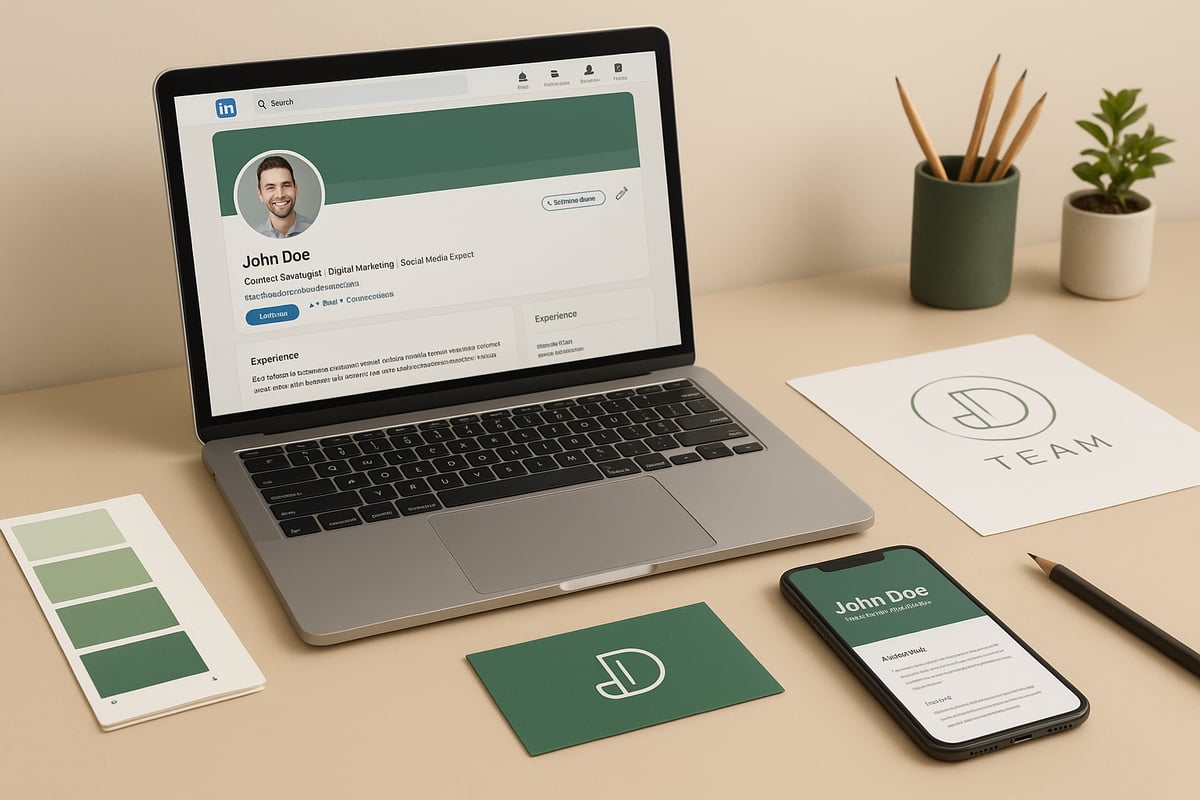
Your online footprint is often the first handshake you offer. To brand up, begin with a thorough audit of your digital presence. Start by searching your name on multiple browsers and devices. What do you see? Is it up to date, professional, and aligned with your goals?
Use this checklist to guide your audit:
Consistency is key. If you want to brand up across platforms, use a similar photo, handle, and bio everywhere. Check for professionalism in every visible detail.
Recruiters notice details. In fact, 54% have eliminated candidates based on their online presence. Take time to clean up outdated content, set privacy on personal posts, and highlight your best work. This is your digital first impression in the brand up journey.
Create Consistent Visual and Verbal Branding
Visual and verbal consistency builds trust and recognition. Think of your favorite brands. You know them by color, logo, and the way they speak. Your personal brand up strategy should do the same.
Start with visuals. Choose a color palette that reflects your personality and use it in your profile photos, banners, and even presentation slides. Design a simple logo or monogram. Tools like Canva make this process accessible, even if you're not a designer.
For your voice, settle on a tone that feels natural. Are you warm and conversational, or direct and succinct? Use this voice in your posts, bios, and responses.
Here are some practical steps:
If you need more guidance, check out these visual branding guidelines to ensure your visuals align with your message.
Consistency signals reliability. Over time, people will recognize your content and trust what you share. That’s how you brand up for real impact.
Leverage Key Platforms for Maximum Impact
Not all platforms are equal for your brand up strategy. Choose where your audience is and where your strengths shine. LinkedIn is essential for professionals, students, and founders alike. A personal website gives you control and permanence, while platforms like Instagram or TikTok help showcase personality and creativity.
Here’s how to make the most of each:
Emerging features like LinkedIn newsletters and audio events can further brand up your presence. Experiment, but don’t spread yourself thin. It’s better to be strong on two platforms than to be mediocre everywhere.
Case in point: A student who posted weekly project reflections on LinkedIn ended up connecting with a university admissions officer, opening doors that a standard application could not. When you brand up with intention, platforms become launchpads.
Content Creation and Thought Leadership
To brand up, share your voice. Regular content creation builds authority and fosters community. You don’t have to be an influencer. Just share what you’re learning, building, or thinking about.
Try different formats:
One professional started sharing weekly LinkedIn articles about their learning journey. Within months, they were invited to speak at an industry event. This is the ripple effect of showing up consistently as part of your brand up journey
Visibility creates credibility. Over time, your content becomes proof of your expertise and a magnet for new opportunities.
Step 3: Networking, Visibility, and Reputation Management
Building a brand up in 2026 means stepping beyond online profiles. It is about making real connections, curating your digital story, and earning trust in every interaction. If you want to brand up, you need to be intentional about who sees you, what they see, and how they remember you.
Strategic Networking in the Digital Age
Networking is not about collecting business cards anymore. It is about meaningful conversations in online communities, virtual events, and direct outreach. To brand up, invest in relationships before you need them.
Modern networking tactics include:
A quick outreach script:
Hi [Name], I admire your work in [field]. I am working to brand up and would love to hear about your journey over a virtual coffee. Would you be open to a quick chat?
Why does this matter? 85% of jobs are filled via networking. Sometimes, one thoughtful message can lead to a mentorship or a new opportunity.
Professional surveys confirm that a strong personal brand, combined with strategic networking, directly influences job opportunities and career growth. For more on this, see Personal Branding's Role in Career Advancement.
Reputation Management and Digital Hygiene
Your digital reputation is your shadow. To brand up, monitor your online presence as carefully as your work. Set Google Alerts for your name, and check your mentions on social platforms regularly.
Best practices for digital hygiene:
Did you know 60% of college admissions officers check applicants’ social media? A single post can shape perceptions. If someone spreads misinformation, respond quickly and calmly. Tools like Mention and BrandYourself help automate alerts, so you can stay ahead.
Showcasing Social Proof and Testimonials
Social proof is the digital word-of-mouth that helps you brand up. Endorsements, recommendations, and testimonials build trust faster than self-promotion.
How to request a testimonial:
A student who added teacher recommendations to LinkedIn stood out to college recruiters. Even one authentic endorsement can tip the scales in your favor.
Building Real-World Skills for a Digital Brand
Brand up is not just about digital polish. Soft skills—empathy, communication, adaptability, and leadership—are at the core of influence. Employers are looking for these qualities as much as technical expertise.
Ways to show real-world skills online:
A brand up shines brightest when people see not just what you do, but how you do it. The most valued professionals blend digital savvy with authentic human connection.
Step 4: Leveraging Tools and Technology for Brand Growth
The right tools can transform your brand up journey from overwhelming to intentional. In 2026, technology is your silent partner, helping you show up with clarity and consistency. Let’s get practical about what works, what to watch, and how to make every click count.
Essential Tools for Personal Branding
Every founder needs a toolkit for brand up success. Start with a personal website builder like Squarespace or Wix. These platforms offer templates that make launching your site easy, even if you are not a designer. For visual assets, Canva is a favorite, providing simple ways to create logos and banners.
Scheduling apps like Buffer or Later help you plan posts in advance, keeping your online presence steady. Analytics tools such as Google Analytics or LinkedIn Insights let you measure what’s working, so you can adjust your approach.
Explore more personal branding essentials to deepen your understanding of these tools and how they fit into your brand up strategy.
Analytics and Measurement
If you want to brand up with purpose, you need to know what is moving the needle. Track your profile views, website traffic, and social engagement. Compare your numbers to industry averages if you can find them, but remember that steady growth matters more than viral spikes.
Set simple benchmarks: a 10% increase in LinkedIn views, a few new website subscribers, or higher engagement on posts. Use these insights to make small, steady improvements. When you measure, you give your brand up efforts real direction.
Staying Ahead with AI and Automation
AI is now a quiet force in the brand up process. Use tools like Buffer for scheduling, or ChatGPT to brainstorm content ideas. These helpers save time for real connection. Just remember, authenticity is your anchor. Don’t let automation make your voice sound generic.
Ethics matter. Double-check AI-generated content for accuracy and tone. Automation should amplify your story, not replace it.
How Strategic Messaging Accelerates Personal Brand Growth
Clear messaging is the backbone of every brand up story. Emotional intelligence in your words creates trust and cohesion. Strategic messaging partners help founders and leaders find the right voice, shape a narrative, and show up strong across every channel.
Whether you are launching, rebranding, or preparing for a high-visibility moment, professional systems bring confidence and clarity to your brand up journey. Consistency in your message helps you grow with purpose.
Step 5: Future-Proofing Your Personal Brand for 2026 and Beyond
The pace of change is only accelerating. If you want your brand up journey to last, you need to build for tomorrow, not just today. Future-proofing is about staying open, learning as you go, and making your story matter for the long haul. This section will walk you through the practical steps to keep your brand up resilient, relevant, and ready for what comes next.
Adapting to Trends and Market Shifts
Change is the only constant, especially in the digital world. To keep your brand up edge, you need to embrace new trends before they become the norm.
Here’s what’s shaping the landscape in 2026:
A recent survey reveals that 78% of professionals see adaptability as the top skill for long-term brand up success. The best way to adapt is to stay curious and build flexibility into your story. Monitor industry news, join niche communities, and experiment with new platforms.
If you ever feel overwhelmed by these shifts, you’re not alone. Many founders and business owners struggle to keep pace. For practical advice on navigating these changes, check out Overcoming personal brand challenges.
Adaptation is not about chasing every trend. It’s about picking the right ones for your unique path and letting your brand up values guide your choices.
Continuous Learning and Personal Development
No matter where you are in your brand up journey, ongoing learning is your secret weapon. The most resilient personal brands are built by people who invest in themselves.
Consider these options:
Say you want to boost your digital marketing know-how. Earning a certificate not only sharpens your skills, it signals your commitment to growth.
Make learning a habit. Set aside time monthly to explore something new that aligns with your brand up goals.
Navigating Career Pivots and Life Changes
Life rarely follows a straight line. Career pivots, new ventures, or unexpected challenges are all part of building a brand up story that lasts.
When you hit a turning point, update your narrative. Ask yourself:
Use a simple framework: “After [change], I now help [audience] achieve [outcome] because I understand [unique insight].”
Being transparent about your journey builds trust. If you’re navigating a big shift, reflect on how your brand up values remain steady even as your goals evolve.
Building a Legacy and Long-Term Influence
A brand up mindset is about more than short-term wins. The strongest personal brands leave a mark that outlasts any single role or project.
Think about how you can:
Research shows that strategic personal branding not only boosts career satisfaction, it also increases your influence in your industry. For more on how long-term personal branding impacts professional growth, see this Impact of Personal Branding on Career Success.
When you brand up for legacy, you inspire others and create ripples that extend far past your own milestones.
Measuring Success and Setting New Goals
Future-proofing means checking in with yourself regularly. Review your brand up progress every quarter.
Ask: Have I reached my key milestones? What feedback am I getting? Where do I want to grow next?
Use simple tracking tools like spreadsheets, analytics dashboards, or even a journal. Celebrate your wins, adjust your strategy, and set new goals to keep your brand up evolving.
You’ve seen how powerful your story can be when you own it—when you dig into your lived experience, get clear about what sets you apart, and show up with intention across every touchpoint. Building a personal brand isn’t about chasing trends or sounding like everyone else; it’s about finding the words that feel true, the ones you can actually lead with, even as the world keeps changing. If you’re ready to make your brand sound like you—confident, clear, and unmistakably yours.