9 Innovative Branding Ways to Elevate Your Business in 2026
Branding is changing at lightning speed in 2026. Every business is fighting for a moment of your audience’s attention. The old playbooks are not enough, and everyone feels it.
To stand out, build trust, and grow, you need new branding ways that reach people where they are and matter to them. Innovation is not optional anymore—it is the only way to stay relevant.
This article reveals nine cutting-edge branding ways that will help your business rise above the noise. You will find actionable insights, real examples, and forward-thinking strategies that make a difference.
Ready to transform how your brand connects and grows? Let’s dive in.
The Importance of Innovative Branding in 2026
The world of branding is shifting faster than ever. In 2026, the old playbook no longer works. Businesses face an audience that is overwhelmed with choices and hungry for real connection. The right branding ways can be the difference between being noticed and being ignored.
Digital transformation is everywhere. Artificial intelligence is not just a buzzword, it is reshaping how brands interact with people. At the same time, consumer values are evolving. People want brands that feel personal, honest, and aligned with their beliefs. If your branding ways are stuck in the past, you risk getting left behind.
Personalization is now an expectation, not a luxury. AI-powered tools can tailor messages to each individual, making every touchpoint feel meaningful. But it is not just about data. Authenticity and emotional connection are at the heart of successful branding ways. When a brand feels genuine, people are more likely to trust it, recommend it, and stay loyal over the long term.
The numbers speak for themselves. According to the Edelman Trust Barometer 2025, more than 60% of consumers prefer brands that innovate and stand for something beyond profit. Brands with strong, purpose-driven branding ways are seeing higher engagement and deeper loyalty. On the other hand, companies that resist change are struggling. Think of once-great brands that failed to adapt—they lost their edge, their customers, and sometimes their place in the market.
Let us look at the risks. Stagnant branding means missed opportunities. You might lose relevance, erode trust, or even shrink your market share. In contrast, innovative branding ways open doors to new audiences and foster real advocacy. For example, brands that embraced digital storytelling or community engagement saw their influence grow, while those that clung to old methods faded into the background.
Branding is not just about first impressions. It is about building relationships that last. Innovative branding ways drive customer loyalty, increase advocacy, and grow lifetime value. When customers feel seen and understood, they become your ambassadors. They share your story, defend your reputation, and come back again and again.
Why is 2026 such a turning point? The pace of change is relentless, but also full of possibility. New tools, new platforms, and new expectations demand a fresh approach. Businesses that invest in innovative branding ways will not just survive—they will thrive. If you are ready to move beyond the basics, consider exploring The Branding Method Explained for a deeper dive into what sets great brands apart.
The future belongs to brands that are willing to adapt. Now is the time to rethink your branding ways, put customers at the center, and lead with purpose. The opportunity is here. The choice is yours.

9 Innovative Branding Ways to Elevate Your Business in 2026
The branding landscape in 2026 is both exhilarating and unforgiving. For founders and business owners, the challenge is clear: standing out is not an option, it's a necessity. The following nine branding ways are not just trends, but essential pathways to elevate your business. Each approach is actionable, rooted in real-world success, and designed to help you build trust, spark loyalty, and create real impact.

1. Leverage AI-Powered Personalization
AI is redefining what it means to connect with customers. Brands using AI can deliver hyper-personalized experiences, making each interaction feel tailored and relevant. Predictive analytics help anticipate needs, while chatbots and dynamic content ensure messaging adapts in real time.
Netflix and Sephora are prime examples of businesses mastering these branding ways. Netflix’s recommendation engine keeps viewers engaged by serving up content that matches their tastes. Sephora’s AI-powered chatbots guide shoppers to products they love, boosting both engagement and sales.
However, personalization must be balanced with privacy. Consumers want tailored experiences, but not at the cost of their data. According to Accenture, 80% of consumers are more likely to buy from brands offering personalized experiences, proving the power of these branding ways.
To get started, map your customer journeys, invest in AI-driven tools, and set clear privacy standards. Start small: personalize emails or website content, then scale as you learn. Remember, the most effective branding ways make the customer feel seen without overstepping boundaries.
2. Embrace Immersive Brand Storytelling Through AR/VR
Storytelling is evolving. Augmented and virtual reality bring brand stories to life, creating experiences customers remember. IKEA Place lets users visualize furniture in their homes, while Nike’s virtual try-ons turn shopping into a game.
These branding ways deepen emotional connection. When customers interact with your brand in a virtual space, the story becomes personal. Engagement soars, and recall sticks. In 2026, AR/VR is more accessible, with lower costs and better tech, making immersive storytelling an option for brands of all sizes.
You do not need a massive budget to start. Simple AR filters or virtual product demos can spark curiosity. Focus on stories that invite participation. The branding ways that invite your audience into the experience will leave the deepest mark.
3. Build Communities, Not Just Audiences
Brands are shifting from broadcasting to belonging. The most effective branding ways today focus on community, not just audience size. A loyal community advocates for your brand, offers feedback, and sticks around.
LEGO Ideas is a textbook example. Fans co-create products, fueling both innovation and loyalty. Peloton’s online groups foster camaraderie, turning customers into evangelists.
To build your own community, consider branded forums, Discord servers, or exclusive memberships. Listen more than you speak. Empower your community to shape the direction of your brand. These branding ways transform customers into partners, creating a cycle of feedback, advocacy, and growth.
The goal is to foster genuine connection. When you invest in community, you gain more than customers—you gain allies.
4. Champion Purpose-Driven and Ethical Branding
Purpose is not a buzzword—it is a business imperative. Today’s consumers want brands that align with their values. According to Deloitte, 62% of consumers prefer brands that take a stand on societal and environmental issues.
Brands like Patagonia and Ben & Jerry’s lead with purpose. Their branding ways focus on transparency, ethical sourcing, and real social impact. This builds trust and loyalty that outlasts any campaign.
To integrate purpose authentically, start with your core mission. Communicate your impact openly. Support causes that matter to your team and customers. The most powerful branding ways are those where purpose is woven into every touchpoint, not just slapped onto a slogan.
5. Master Multi-Sensory Branding
Engaging multiple senses makes your brand unforgettable. Multi-sensory branding ways go beyond logos and colors—they include sound, touch, and even scent.
Mastercard’s sonic logo is instantly recognizable. Abercrombie’s signature store scent lingers in memory. These branding ways work because they tap into how our brains form associations.
Consider how your brand can engage each sense:
Science supports these branding ways. Multi-sensory experiences boost recall and deepen loyalty. Start by identifying sensory touchpoints in your customer journey. Test and refine until your brand is not just seen, but felt and heard.
6. Adopt Dynamic and Adaptive Branding Systems
The world moves fast. Brands need to keep up. Adaptive branding means your visual and verbal identity flexes across platforms and contexts. Think responsive logos, modular design, and messaging that scales.
Google Doodles and MTV’s ever-changing logos are examples of adaptive branding ways in action. These systems keep brands relevant without losing their core identity.
Building adaptive systems starts with strong guidelines. For a deep dive on how to create effective and flexible brand guidelines, explore Creating Effective Brand Guidelines. This resource will help ensure your branding ways stay agile while maintaining consistency.
The payoff: agility, resonance, and the ability to speak to diverse audiences without losing your brand’s essence.
7. Integrate Influencer and Employee Advocacy
Authenticity is currency. Influencers and employees both bring real voices to your brand. These branding ways expand your reach and deepen trust.
Studies show employee-shared content gets eight times more engagement than brand posts. Influencer partnerships tap into niche audiences and add credibility.
To leverage these branding ways, create programs that empower employees to share their stories and experiences. Build relationships with influencers who align with your brand’s mission. Set clear guidelines, but let authentic voices lead.
When you trust your people to tell your story, your brand becomes more relatable and memorable.
8. Prioritize Data-Driven Brand Decisions
Gut feelings have their place, but data drives results. The most successful branding ways in 2026 rely on real-time analytics to measure and optimize impact.
Key metrics include brand sentiment, share of voice, engagement rates, and Net Promoter Score. Tools for social listening and brand analytics turn insights into action.
Brands that pivot based on data stay ahead. Set up dashboards to track key branding metrics. Use A/B testing to refine your messaging. Encourage a culture of curiosity—ask why, dig deeper, iterate.
Data-driven branding ways help you spot opportunities, avoid missteps, and build a brand that evolves with your audience.
9. Design for Inclusivity and Accessibility
Inclusive branding is not just ethical—it’s smart business. In 2026, 15% of the global population lives with a disability. If your brand is not accessible, you’re missing out on a huge audience.
Microsoft’s inclusive design and Apple’s accessible websites set the standard. These branding ways prioritize representation, accessible language, and compliance with legal standards.
Start by reviewing your digital touchpoints for accessibility. Use inclusive imagery and language. Make sure your brand speaks to—and for—everyone. The most impactful branding ways make all customers feel welcome.
Case Studies: Brands Succeeding with Innovative Branding
Innovative branding ways are not just buzzwords—they're lived realities for brands that lead their markets. Let’s look at three companies that have redefined what’s possible through bold branding ways. Their stories show how fresh strategies can spark loyalty, advocacy, and remarkable growth.
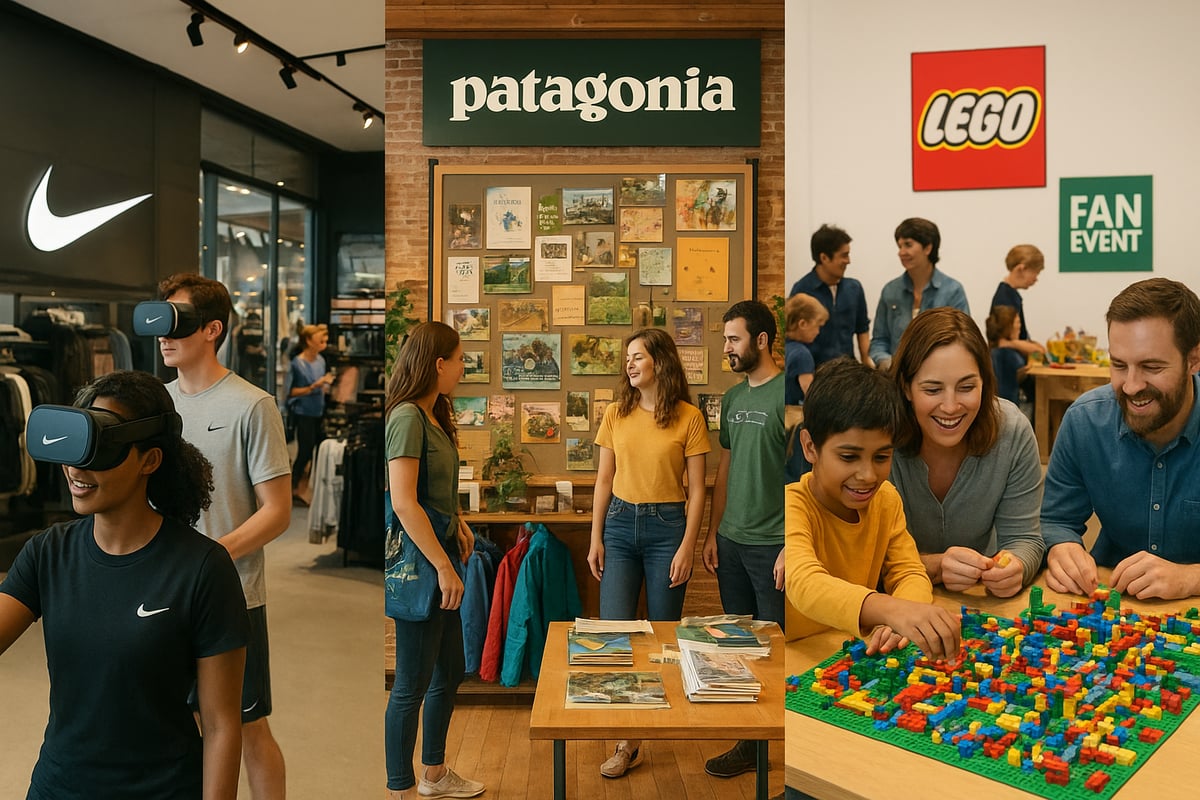
Case Study 1: Nike’s Immersive Storytelling
Nike has always been ahead in using new branding ways to connect emotionally. In recent years, they’ve launched AR and VR experiences that let customers try on shoes virtually or step into an athlete’s world. These immersive campaigns increased dwell time and social sharing, making the Nike brand more memorable and personal.
For example, Nike’s virtual try-on tools in flagship stores saw a 20% rise in conversion rates. Customers lingered longer, shared their experiences online, and became ambassadors for the brand. If you want to dig deeper into how storytelling shapes emotional connections, check out Brand Storytelling vs. Founder's Story.
The lesson? When brands use innovative branding ways like AR and VR, they don’t just tell a story—they invite customers to live it.
Case Study 2: Patagonia’s Purpose-Driven Branding
Patagonia demonstrates that branding ways rooted in purpose and transparency can transform a business. Their environmental activism, from supply chain transparency to bold campaigns like “Don’t Buy This Jacket,” built fierce loyalty.
Data shows Patagonia’s customer base is not just loyal—they’re advocates. Sales and advocacy soared after high-profile environmental initiatives, while brand trust remained sky-high. Transparency in sourcing and authentic storytelling have become Patagonia’s signature branding ways.
The takeaway? Purpose-driven branding ways build trust and advocacy, turning customers into a movement.
Case Study 3: LEGO’s Community Building
LEGO’s success comes from making branding ways about co-creation. Through platforms like LEGO Ideas, fans submit and vote on new product concepts. Winning ideas become real sets, giving fans a stake in the brand’s future.
This approach has led to hit products and a surge in brand love. LEGO’s community-driven branding ways foster genuine engagement, feedback, and innovation.
Key lessons for founders? Build a space where customers contribute and celebrate together. Community turns branding ways into shared stories.
Future Trends in Branding: What to Watch Beyond 2026
The pace of change in branding ways is only accelerating. As we look past 2026, businesses face a crossroads: adapt or risk fading into the background. What does the future hold for those willing to push their brand identity forward?
Emerging technologies are reshaping what’s possible. AI-generated branding is moving from novelty to necessity, with machine learning creating unique brand assets and even automating creative decisions. The rise of digital twins allows brands to simulate customer journeys and test new ideas in virtual spaces, minimizing risk. Decentralized brand ownership, powered by Web3, is fostering community-driven innovation and empowering fans to directly influence brand direction. To see what’s on the horizon, check out these Branding Design Trends for 2026.
But the future of branding ways is not just about tech. There’s a surge in demand for purpose, wellness, and cultural intelligence. Brands that champion mental health, sustainability, and authentic representation will build deeper loyalty and trust. Consumers expect brands to reflect their values, not just their needs. According to Adobe's 2026 Creative Trends, multi-sensory and immersive experiences will become even more central in branding ways, blending digital and human touchpoints.
To future-proof your branding ways, stay curious and adaptive. Monitor both technological and societal shifts closely. Invest in tools that measure impact and foster two-way conversations with your audience. Embrace experimentation—not as a risk, but as a path to relevance. The next wave of branding ways is about blending innovation with empathy. Those who do will not just survive, but thrive as the landscape evolves.
You’ve seen how innovative branding isn’t just about keeping up—it’s about making your presence unmistakable, even in a crowded landscape. If you’re feeling the gap between what your business does and how it truly sounds to the world, you’re not alone. Branding that resonates starts with clear, honest messaging rooted in your lived experience and vision. Let’s cut through the noise and find the words that fit—words you can actually lead with. When you’re ready to create a brand narrative that feels as real as you are.