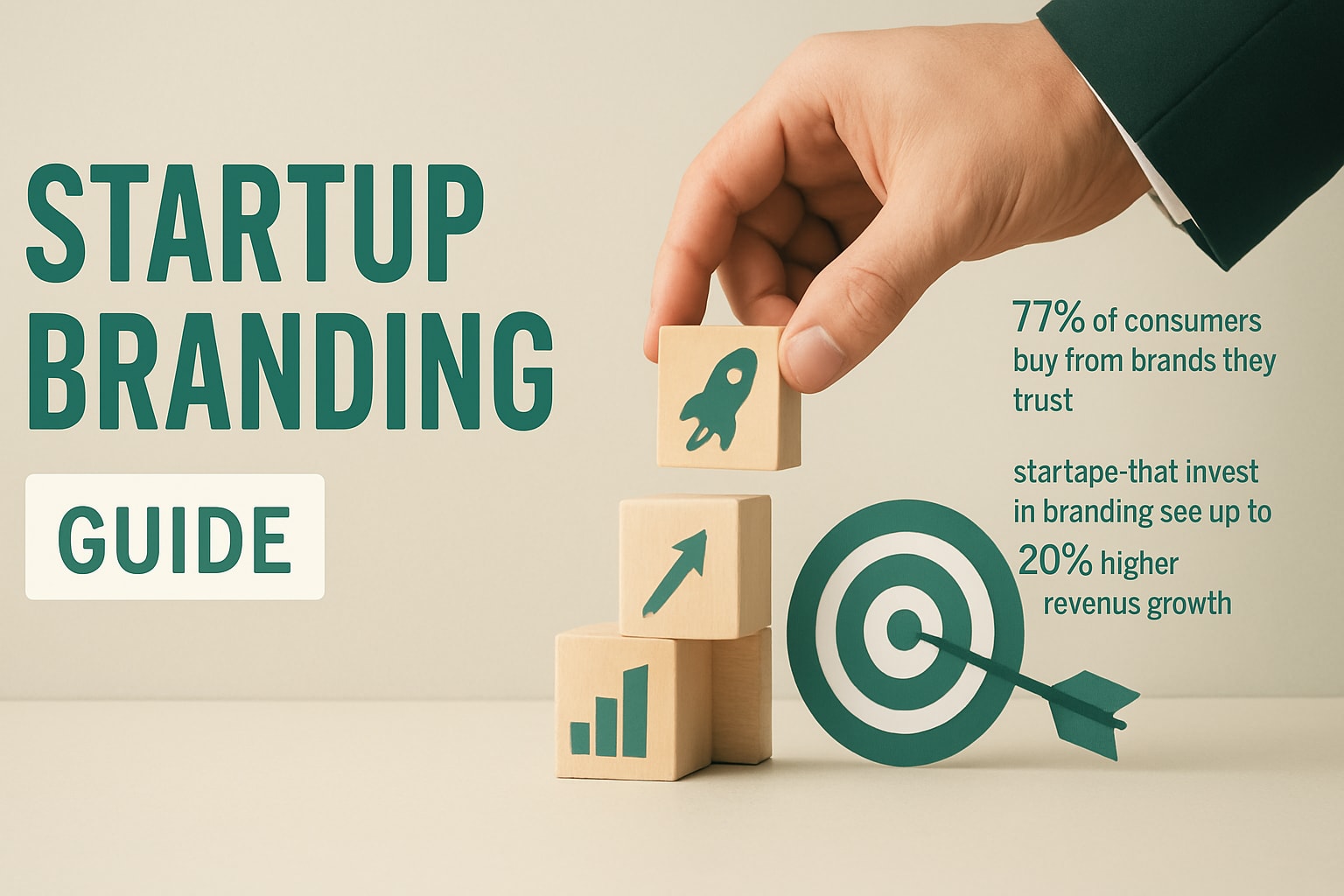
Startup Branding Guide 2026: Build a Memorable Identity
Struggling to stand out in a sea of startups? You’re not alone. In 2026, 77% of consumers buy from brands they trust, and startups that invest in startup branding see up to 20% higher revenue growth.
The challenge is real: with so many new ventures, a memorable identity is your sharpest edge. But startup branding is more than a logo. It’s your reputation, your story, and your growth engine.
This guide breaks down how founders can build a resonant, scalable brand from the inside out. You’ll learn to define your identity, clarify your purpose and values, craft a visual and verbal system, build trust, ensure consistency, and embed your brand into your company culture.
Imagine a brand that attracts customers, investors, and top talent automatically. Ready to master startup branding in 2026? Read on to build an identity people remember.
Defining Your Startup Brand Identity
What comes to mind when you think of a brand? Most founders picture a logo, a color scheme, or a catchy tagline. Yet, startup branding is far more than visual elements. At its core, a brand is the experience people have with your company—how you make them feel, the reputation you build, and the trust you inspire.
HubSpot puts it simply: a brand is the emotional impact you create. Consider Nike. The swoosh is iconic, but what truly matters is how Nike makes people feel empowered to move. First impressions form quickly, too. Research shows it takes just 50 milliseconds for users to judge your brand online.
This is why startup branding must be strategic. It is not just surface-level design. It shapes how your business is perceived and drives loyalty over time. If you want to dig deeper into building a strong foundation, check out the Brand strategy essentials for startups.

Understanding What a Brand Is (and Isn’t)
A brand is not just your logo, website, or product. It is the sum of every interaction a person has with your business. Visual identity—like logos, colors, and fonts—sets the stage. But brand essence is deeper. It is your values, your reputation, and the feeling people get when they encounter your company.
Nike is a classic example. The swoosh catches your eye, but what sticks is the sense of empowerment and possibility. That is the heart of their brand.
Branding is about shaping perception. It is a strategic process that drives loyalty and growth. In fact, users form an opinion about your brand in just 50 milliseconds. This makes startup branding a crucial investment, not an afterthought.
Core Components of Brand Identity
Strong startup branding starts from within. Before you launch visuals or messaging, clarify these core components:
Take Allstate, for instance. Their “You’re in good hands” tagline aligns perfectly with their mission and values, building immediate trust.
Remember, brand identity must be rooted internally. If your team does not believe in your purpose or values, it will never resonate with customers.
Common Branding Mistakes to Avoid
Many startups rush into visuals before clarifying their strategy. This is a costly mistake. Here are some other pitfalls to watch out for:
Startups that imitate others rarely become memorable. Worse, inconsistent branding can cut your revenue by up to 20 percent. True startup branding is about honest differentiation and building trust through every touchpoint.
Clarifying Purpose, Values, and Positioning
Finding clarity at the heart of startup branding means knowing who you are, why you exist, and who you serve. When you align your team and your story, you build a foundation that can weather market shifts and attract the right people. This clarity is not just for the pitch deck—it shapes every decision, from hiring to product design.

Anchoring Your Brand in Purpose
Purpose is the heartbeat of startup branding. It’s your reason for existing beyond profit. A clear purpose rallies your team, keeps everyone moving in the same direction, and draws in customers who share your values.
Look at Patagonia. Their commitment to environmental stewardship shapes not just their marketing but their culture and products. Purpose-driven brands like this consistently outperform their competitors. In fact, industry data shows companies built on clear purpose grow three times faster than peers.
Without an authentic purpose, even the best ideas can feel hollow. When your startup branding starts with why, you gain direction and create a sense of belonging for your team and customers.
Codifying Values for Decision-Making
Values are the backbone of startup branding. They guide hiring, leadership, and every customer interaction. But values only work if they’re actionable. Many startups list words like “integrity” or “innovation,” but unless these values shape daily behavior, they’re just decoration.
Netflix’s culture deck stands out as a living example. Their values aren’t hidden in a handbook—they inform hiring, feedback, and even letting people go. In startup branding, codified values build trust and keep your team aligned, especially when pressures rise.
Make your values specific. Embed them in onboarding, performance reviews, and recognition programs. When everyone knows how to live the values, your culture becomes a competitive advantage.
Crafting Distinct Positioning and Audience Personas
Positioning is the promise you make in the market. It’s what sets your startup branding apart and tells people why you matter. Start by defining what makes you unique, then research your competitors to find your own white space.
Understanding your audience is just as critical. Build detailed personas: age, location, needs, habits. For example, a fintech startup might position itself as the most transparent option in a crowded field, focusing on clarity and trust in every message.
When you sharpen your positioning and know your audience, you gain confidence in your voice and product direction. This focus pays off in everything from marketing to product design.
Kedra&Co.: Strategic Brand Messaging for Startups
Kedra&Co. partners with founder-led companies to clarify purpose, values, and positioning—key pillars of startup branding. Using our proprietary Voice Clarity Method, we root messaging in real business insight so your brand identity is built to last.
We help founders operationalize values, ensuring they’re not just words but active parts of your culture. Our approach gives you a voice that is distinct, scales as you grow, and stays consistent across every channel. If you want to master startup branding from the inside out, we’re here to guide you.
Creating a Memorable Visual and Verbal Identity
A memorable startup branding journey begins with how your company looks, sounds, and feels. This section breaks down the essentials: visuals, voice, messaging, and the glue that holds it all together—consistency.

Designing a Visual Identity That Resonates
Visual identity is the first handshake your startup branding makes with the world. It includes your logo, color palette, typography, and the graphics that appear across your website, product, and social media.
Consistency here is everything. Stripe’s minimalist visual system is instantly recognizable because every element, from color to iconography, feels connected. This unity increases recognition and trust. In fact, consistent brand presentation can boost revenue by up to 20 percent.
When you design visuals, think beyond aesthetics. Each choice should express your strategy and values, not just look nice. Ask yourself: does this color palette feel like us? Does the logo capture our energy? Startup branding that gets this right stands out, even in crowded markets.
Developing a Scalable Brand Voice
Brand voice is your personality in words. It’s how your startup branding sounds across copy, product UI, emails, and social posts. The voice should reflect your core values and resonate with your audience.
Consider Mailchimp. Their witty, approachable tone makes complex tools feel human and accessible. A strong brand voice builds trust, creates emotional connection, and makes your company memorable.
To keep your voice consistent, create a brand voice guide. This document outlines tone, language, and style, helping every team member communicate with one clear personality. Over time, a distinctive voice becomes a signature part of your startup branding.
Crafting Taglines, Messaging, and Story
Taglines distill your mission into a few unforgettable words. Think of Nike’s “Just Do It”—it’s more than a phrase, it’s a rallying cry. Messaging goes deeper, communicating your value proposition and what sets you apart in the startup branding landscape.
Your brand story weaves purpose and values into a narrative. Airbnb’s story of belonging turned a simple lodging platform into a movement. Storytelling connects on an emotional level, making your brand relatable and sticky.
Remember, storytelling is not just fluff. It’s a strategic asset that shapes perception and builds loyalty. The most successful startup branding efforts use story as a bridge between vision and audience.
Building a Style Guide for Consistency
A style guide is your playbook for visual and verbal standards. It covers logo use, color codes, typography, tone, and messaging dos and don’ts. Everyone, from designers to support reps, can reference it to keep communication aligned.
Slack’s public brand guidelines are a great example. For a deeper dive on how to create and maintain this consistency, see Creating consistent brand guidelines.
A strong style guide ensures your startup branding feels cohesive as you grow, no matter who’s telling your story.
Building Early-Stage Trust and Credibility
Building trust is the lifeblood of startup branding. When customers, investors, or potential hires encounter a new business, they look for signals that say, “You’re credible.” In the early days, your reputation is still forming. Trust fills the gap where your track record is thin.

Why Trust is Essential for Startups
In the world of startup branding, trust is your fastest growth accelerator. Without a proven history, people rely on cues from your brand to decide if they’ll take a chance on you. This is true for customers, investors, and even team members.
According to research, 81% of consumers say trust is the deciding factor in their purchasing decisions. When trust is high, people convert faster and sales cycles shrink. If you want your startup branding to work, focus on building genuine trust from day one.
Making Strong First Impressions
First impressions in startup branding are made in just 50 milliseconds. That’s all the time a website visitor or investor needs to decide if your brand feels professional and promising.
Every touchpoint matters. Your website, pitch deck, and social profiles should align visually and verbally. When everything matches, you signal that your startup branding is intentional and reliable. Investors often judge your potential by how consistent and polished your brand appears.
Leading with Transparency and Authenticity
People don’t expect perfection. They want honesty. In startup branding, sharing your journey, challenges, and small wins builds credibility. When you’re open about your progress, you invite others to root for you.
Take Buffer as an example. Their transparent culture—like sharing salaries publicly—has earned them deep respect. Authenticity is magnetic. When your startup branding is real, people connect and remember you.
Leveraging Social Proof and Testimonials
Trust grows when others vouch for you. Customer testimonials, reviews, and case studies are powerful tools in startup branding. They show that real people have benefitted from what you offer.
Highlight early wins, partnerships, or media mentions. For SaaS startups, sharing user stories on landing pages can boost conversions by up to 34%. Social proof is the shortcut to credibility, especially when you’re just starting out.
Ensuring Consistency Across Every Touchpoint
Brand consistency is the backbone of startup branding. It shapes how people remember you, trust you, and recommend you to others. When every interaction feels familiar, your brand becomes memorable and credible.
A consistent brand presence across your website, social media, and product builds recognition fast. If your message or visuals change from channel to channel, customers get confused and lose trust. Studies show that consistent branding can increase revenue by up to 20 percent. For founders, this means every detail matters, from color choice to the words you use.
The Power of Brand Consistency
Brand consistency is not just a marketing checkbox. It is the difference between being recognized and being overlooked in the crowded world of startup branding. Each touchpoint, from your website to your pitch deck, should reinforce who you are.
Think of your brand as a promise. If it shifts from one place to another, people question its authenticity. Consistent branding creates a sense of reliability, which is why it is directly tied to higher revenue and customer trust. Make every interaction count, and your brand will stick.
Operationalizing Brand Guidelines
To keep startup branding consistent, you need clear, accessible brand guidelines. These documents outline your logo usage, color codes, tone of voice, and more. But guidelines alone are not enough. Teams must be trained to use them, and channels must be audited for alignment.
Many founders stumble by skipping this step. For a deeper look at how to avoid these pitfalls, see Avoiding common branding mistakes. When everyone knows what your brand stands for and how to present it, consistency becomes second nature.
Aligning Internal Culture with External Brand
Consistency is not just external. The way your team acts, communicates, and makes decisions should reflect your brand values. In startup branding, this internal alignment builds authenticity and trust, both inside and outside the company.
Onboard every new hire with your brand story and values. Encourage teams to use the same voice in customer conversations as you do in marketing. When culture and brand match, your message resonates more deeply with customers and partners.
Scaling Consistency as You Grow
As your startup grows, maintaining startup branding consistency gets more complex. New channels, products, and team members can introduce drift. Document every aspect of your brand and use management tools to keep assets organized.
Regular brand audits help you spot inconsistencies before they spread. Remember, the bigger you get, the more vital it is to protect your brand’s foundation. Consistency is not about rigidity, but about staying true to your brand’s core as you evolve.
Embedding Brand Story into Company Culture
A strong startup branding effort does not end with a logo or a marketing campaign. It lives and breathes in your team’s daily actions, conversations, and rituals. When you embed your brand story into company culture, you turn abstract values into shared behaviors that everyone owns.
Turning Brand Strategy into Daily Rituals
Embedding your startup branding into daily life starts with leadership. Founders and managers set the tone by living out the brand’s purpose and values. This means integrating your mission into hiring, onboarding, and how you celebrate wins.
For example, Patagonia’s environmental mission is not just a slogan, it’s reflected in every company practice. Small rituals, like sharing stories about how the brand’s purpose shows up in everyday work, make the strategy real for everyone. To go deeper, consider building a memorable brand story that employees can connect to and share.
Empowering Employees as Brand Ambassadors
Your people are the most credible voices for your startup branding. When employees understand and believe in the brand story, they naturally share it with customers, partners, and even friends. This is more powerful than any ad campaign.
Empower teams by giving them tools, language, and the freedom to share their experiences. HubSpot’s culture code is a great example, encouraging employees to tell stories that align with the company’s mission. When each person feels like an ambassador, your brand story spreads organically.
Measuring and Evolving Brand Perception
Startup branding is not static. You need to regularly check how your story lands, both internally and externally. Surveys, NPS scores, and social listening offer honest feedback on what is resonating and where you may need to adapt.
Keep a pulse on team sentiment as well. As your business grows, evolving your brand story while staying true to your core identity keeps everyone aligned. This approach helps your culture and reputation move in sync.
The Compounding Impact of a Lived Brand
When startup branding is woven into culture, the benefits compound. Customers sense authenticity and form deeper connections. Employees feel pride and attract like-minded talent. Organizations with highly engaged teams see 21% higher profitability, according to HRCloud.
Airbnb is a strong example, turning its culture of belonging into both an internal mantra and an external promise. Over time, this consistency builds brand equity and lasting relationships.
Stepping back, it’s clear that a brand isn’t just your colors or your logo. It’s the feeling people get when they hear your story or interact with your team. When you’re ready to move past the noise and claim an identity that’s true to your journey, you don’t have to figure it all out alone. I’ve walked this path with founders who wanted more than just a polished pitch—they wanted a brand that actually sounded like them, everywhere. If you’re ready for that kind of clarity,