The Essential Guide to Use Brand in 2026
Imagine your brand not just surviving but thriving in the fast-evolving landscape of 2026. The way you use brand is about to change, and those willing to adapt will lead the pack.
This guide is here to help leaders, marketers, and founders make sense of what brand really means today. We will break down the new rules, share practical steps, and show you how to turn your brand into a powerful asset.
You will discover the latest trends, essential building blocks for 2026, and a clear roadmap to measure and future-proof your brand. Let’s make your brand work harder, so you can stand out and grow with confidence.
Understanding the New Brand Landscape in 2026
The way we use brand in 2026 barely resembles what it meant just a few years ago. Today, a brand is not just a logo or a catchy tagline. It is a living system, shaped by every interaction, every piece of content, and every value your business upholds.

The Evolution: From Visual to Experiential
Branding has evolved from a static visual identity into a holistic, multi-sensory experience. Now, when leaders use brand as a strategic tool, they consider how it sounds, moves, and even feels in digital and physical spaces.
Consider how sound logos, motion design, and interactive storytelling are now fundamental for recall. The most successful brands use brand assets that adapt in real time, reflecting culture and consumer mood.
Key Drivers Shaping Brands in 2026
Several forces are rewriting the rules. Artificial intelligence, hyper-personalization, and major societal shifts are at the core. AI tools now help brands predict trends, craft content, and respond to customers instantly.
Personalization is no longer a bonus, but an expectation. Consumers want brands to know them, respect their privacy, and anticipate their needs. According to Euromonitor's 2026 Global Consumer Trends, 73% of consumers expect brands to adapt quickly to emerging technologies. If you want to use brand effectively, you must stay ahead of these shifts.
Web3 and decentralized platforms are changing ownership and engagement. Brands now experiment with NFTs and tokenized assets, inviting customers to co-own digital experiences. This transforms how people use brand to express identity and loyalty.
Gen Z, Alpha, and the New Meaning of Loyalty
Younger generations are rewriting the rules. Gen Z and Alpha want brands to be transparent, authentic, and purpose-driven. They use brand choices as a way to signal their beliefs and social stance.
Old loyalty programs rarely work anymore. Instead, these consumers look for brands that listen, adapt, and invite participation. Values like inclusivity, sustainability, and ethical action are now central to how people use brand to build trust.
Purpose-Driven and Values-Based Branding
Purpose is no longer a buzzword. Brands that lead with mission and values outperform those that do not. Consumers expect companies to take a stand, act ethically, and contribute to society.
It is not just about what you sell, but why you exist. The most effective way to use brand in 2026 is to embed purpose into every decision, campaign, and customer interaction.
Immersive Experiences and Digital Ownership
Brands are embracing immersive technology to stand out. AR, VR, and digital collectibles let customers step inside the brand story. Major brands now use brand assets like NFTs for exclusive access, loyalty rewards, and co-creation.
These experiences deepen emotional connection and give consumers new ways to shape the brand. The line between user and owner blurs, making it more important than ever to use brand as a participatory platform.
Challenges: Brand Safety, Misinformation, and Fatigue
The new landscape is not without risks. As brands push into new digital spaces, they must navigate misinformation, data privacy, and digital fatigue. It is easy to lose trust if you move too fast or ignore real concerns.
Brand safety means protecting your community and reputation at every touch point. To use brand well in 2026, you need clear values, transparent communication, and a willingness to adapt when things change.
In summary, the landscape is dynamic, unpredictable, and full of opportunity for those ready to use brand as a living, evolving asset.
Core Elements of a Future-Ready Brand
The way we use brand in 2026 is fundamentally different from years past. A future-ready brand is not just a logo or a catchy phrase. It is an evolving system, living in every interaction, every sense, and every value your business stands for. Let’s break down the essential building blocks for brands that want to thrive, not just survive.
Brand Identity: Beyond Logos and Colors
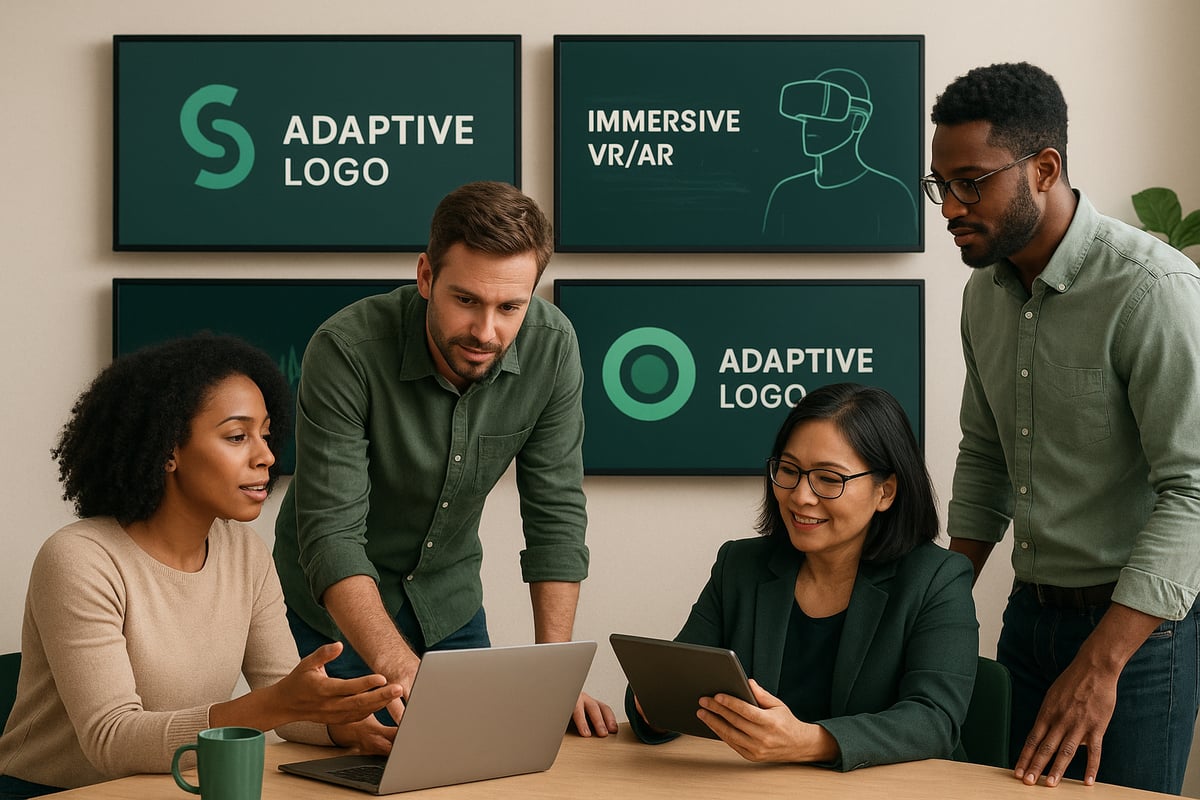
In 2026, to use brand effectively means thinking far beyond static visuals. Brand identity has become multi-sensory, dynamic, and adaptive. Today, a brand isn’t just recognized by its logo. It is felt through sound cues, motion graphics, and interactive experiences that create lasting memories.
Brands are now investing in sound signatures, animated icons, and AR/VR platforms for storytelling. For example, leading companies are using augmented reality to let customers experience products virtually. According to a 2025 survey, 65 percent of top brands are investing in dynamic digital assets.
If you’re looking to build or refresh your foundation, Building a strong brand foundation offers practical insights for leaders ready to use brand as a living system, not a static asset.
A future-ready identity adapts to new platforms and devices, maintaining coherence while evolving with technology. The key is to use brand elements that can flex, respond, and invite participation.
Brand Voice and Messaging
Consistent, authentic messaging is the backbone of how you use brand across every channel. In 2026, AI-powered tools help brands adapt their voice in real time, ensuring the right words reach the right audience, every time.
Brands now train AI chatbots to speak in unique, recognizable tones. These bots can hold conversations that feel personal and human. This matters, because 80 percent of consumers trust brands that communicate transparently and sound like real people.
To use brand well, you need to define a clear voice and stick to it, whether you’re sending a push notification or writing a blog post. AI can help, but your team’s values and personality must always come through.
The brands that stand out are those whose messaging feels honest, empathetic, and unmistakably their own—no matter how or where customers interact.
Brand Purpose and Values
In 2026, to use brand as a true asset, you must go deeper than products or services. Purpose and values are not just marketing slogans. They show up in your hiring, your supply chain, and your social impact.
Purpose-driven brands are growing twice as fast as their competitors, according to Deloitte’s 2025 report. Customers want to see that you live your values, not just talk about them. For example, brands aligned with causes—like sustainability or fair labor—are seeing their market share rise.
Embedding ethics and social responsibility into how you use brand builds lasting trust. It also attracts employees and partners who share your vision.
A clear purpose helps you navigate challenges and stand out in a crowded market. When values guide every decision, your brand becomes resilient and future-ready.
Customer Experience as Brand Differentiator
The ultimate test of how you use brand is in every customer touchpoint. Personalization at scale is now possible, thanks to data and AI, letting you create experiences that feel truly unique.
Omnichannel consistency means your brand feels the same in a physical store, on a website, or inside a virtual world. Retailers blending physical and digital experiences are setting new standards. If a customer has a poor experience, 90 percent will switch to a competitor.
To use brand as a differentiator, map out every step of your customer journey. Identify where your brand can delight, solve problems, or simply make life easier.
The brands that win are those that turn every interaction—big or small—into a memorable, positive experience.
Step-by-Step Guide: Building and Using Your Brand in 2026
Building a future-ready brand in 2026 is not a one-time event. It is a continuous journey, and each step matters. If you want to use brand as a true asset, you need a clear process that adapts to today’s realities—and tomorrow’s unknowns.

Step 1: Audit and Assess Your Current Brand
Start by taking a close look at where you stand. To use brand effectively, you need a clear-eyed audit of your visual identity, messaging, and customer experience. Gather feedback from your team and your audience.
Leverage the latest digital tools—brand audit checklists, sentiment analysis platforms, and social listening solutions can reveal gaps and opportunities. Are your values clear? Is your message consistent? Does your brand feel relevant in 2026?
For deeper guidance, consider resources like Brand strategy essentials to structure your audit and discover proven ways to use brand insights for growth. This foundational step sets the stage for everything that follows.
Step 2: Define Your Brand Purpose and Positioning
Clarify why your company exists beyond profit. Purpose is the north star that will help you use brand as a magnet for the right audience. Reflect on what drives your leadership, team, and customers.
Define your unique market position. Study competitors, but focus on your own story. What can you offer that no one else can? Align your vision with what your audience truly seeks.
Brands with clear positioning outperform others by 30 percent. To use brand as a differentiator, make sure everyone in your organization understands and lives your purpose. This clarity will guide every decision, from design to communication.
Step 3: Develop a Dynamic Brand Identity
A static logo is no longer enough. In 2026, to use brand powerfully, your identity must be dynamic, multi-sensory, and adaptive. Think beyond visuals—consider sound, motion, and interactivity.
Explore AR and VR for immersive storytelling. Invite your community to co-create—crowdsourcing design elements or user-generated content can spark connection and loyalty.
When you use brand identity as a living system, you stay relevant as culture and technology shift. Invest in digital assets that can evolve alongside your audience and platforms.
Step 4: Craft Consistent, AI-Enhanced Messaging
Consistency is trust. To use brand effectively across every channel, build a messaging system that adapts without losing its core voice. AI tools can help you deliver personalized messages at scale, but your tone must stay human and authentic.
Experiment with AI-driven content platforms and chatbots that embody your unique brand personality. Review and refine your messaging regularly—listen for feedback and watch for gaps.
Remember, 80 percent of consumers trust brands with transparent, humanized messaging. Use brand voice as a bridge, not a barrier, to meaningful connection, whether your message comes from a person or a machine.
Step 5: Deliver Omnichannel Brand Experiences
Your customers move fluidly between digital and physical worlds. To use brand as a consistent thread, map every touchpoint across web, mobile, retail, social, AR, and VR. Each interaction should feel coherent and true to your identity.
Ensure your visuals, tone, and service experience align. Experiment with new platforms, but keep your core values visible. Retailers are blending physical and digital for seamless journeys—follow their lead.
With 72 percent of consumers engaging across four or more channels, use brand experience as your differentiator. Meet your audience where they are, and make every moment matter.
Step 6: Monitor, Measure, and Optimize Brand Performance
You cannot improve what you do not measure. To use brand data wisely, track key metrics: brand equity, sentiment, engagement, and customer loyalty. AI-powered analytics can give you real-time feedback.
Social listening tools help you understand what people say about your brand and spot emerging trends. Set clear benchmarks, and review them often.
When you use brand insights to guide decisions, you become more agile and resilient. Celebrate wins and address weaknesses quickly—optimization is ongoing, not occasional.
Step 7: Future-Proof Your Brand
Change is the only constant. To use brand as a future-ready asset, build agility into your systems and processes. Watch for new technologies and shifts in culture or consumer behavior.
Some brands set up “innovation labs” to test ideas quickly and adapt ahead of the curve. Encourage experimentation and learning within your team.
If you use brand as a living experiment, you will stay relevant and competitive, no matter what the future brings. The real secret: stay curious, be willing to evolve, and always keep your purpose at the core.
Measuring Brand Impact and ROI in 2026
How do you know if you truly use brand as a competitive asset in 2026? Measurement is no longer just about awareness. Leaders want to see how their investments translate into advocacy, trust, and real community engagement. According to Kantar's 2026 Marketing Trends, most brands are shifting focus to metrics that reflect changing consumer priorities and digital realities.

Metrics That Matter in 2026
To use brand effectively, you need to track the right signals. In 2026, brand measurement moves beyond impressions. The most valuable metrics include:
A recent survey found that 67 percent of CMOs cite brand trust as their primary KPI. Brands that use brand data to connect purpose and experience are seeing stronger loyalty, especially among Gen Z and Alpha consumers.
AI and Analytics in Brand Measurement
AI-driven analytics are transforming how leaders use brand insights. Today, real-time data flows from social listening, sentiment analysis, and predictive modeling. These tools help pinpoint shifts in perception and flag issues before they escalate.
With machine learning, it is possible to personalize engagement at scale and tie each brand interaction to business outcomes. According to Gartner's AI Impact on Marketing, top brands use brand analytics powered by AI to optimize messaging and campaigns in the moment.
Case Study: Blockchain for Transparent Impact
One global retailer now uses blockchain to track every step of its sustainability claims. By linking verifiable data to its brand promises, it has built a transparent system where customers can see the real-world impact of their choices. This approach helps use brand trust as a measurable asset, building advocacy through proof, not just promise.
Tools and Challenges in Measuring Brand ROI
There is no single dashboard for brand ROI, but a toolkit helps. Brands use brand measurement tools like:
Challenges remain. Intangible assets such as emotion and long-term reputation are difficult to quantify. Digital fatigue and misinformation can also skew results. Still, brands that use brand data to tie NPS and CLV directly to initiatives see a clearer link between investment and impact.
Future Trends and Innovations in Branding
Staying ahead means leaders need to use brand as a living, evolving asset. The world is shifting quickly, and brands are morphing alongside. According to Dentsu's 2026 Creative Trends Report, cultural forces are reshaping how people connect, trust, and use brand in their daily lives.
AI and Automation in Brand Management
AI is not just a buzzword, it is the backbone of how we use brand effectively in 2026. From automated design tools to AI-powered content engines, brands now operate at a pace and scale that was unimaginable just a few years ago.
Imagine a world where your brand’s visual assets, voice, and even customer interactions are optimized in real time. Automated brand guardians scan for inconsistencies, while AI-driven creative tools generate content and campaigns tailored to micro-audiences. This level of precision lets you use brand to connect deeply with each customer segment.
AI’s influence means brands can analyze feedback, tweak messaging instantly, and test new ideas without the heavy lifting. With 60% of top companies using AI for real-time optimization, the pressure to use brand proactively has never been greater. Those who embrace this shift will see their brand not just survive, but adapt and thrive.
The Rise of Decentralized and Community-Led Brands
Web3 is changing the rules about who gets to use brand and how. Decentralized platforms and DAOs (Decentralized Autonomous Organizations) empower audiences to become co-owners and co-creators. This community-driven approach supercharges engagement, trust, and loyalty.
Brands that invite their audiences to participate in governance, content creation, and product direction foster a sense of belonging. Tokenized communities reward active participation, so users feel invested and heard. As a result, brands see engagement rates triple compared to traditional models.
To use brand in this landscape, leaders must let go of top-down control and nurture authentic, two-way relationships. The future is about building with your community, not just for them.
Sustainability and Ethical Branding
Sustainability is no longer a footnote, it is at the core of how we use brand to build trust. Consumers expect brands to take real action on environmental and social issues. Companies are weaving ESG (Environmental, Social, Governance) principles into their DNA, not just their messaging.
Those who earn certifications like B Corp are seeing higher levels of loyalty and public trust. With 88% of buyers choosing brands with strong sustainability commitments, the business case is clear. To use brand for long-term growth, place authenticity and responsibility at the forefront.
Immersive and Experiential Branding
The boundaries between digital and physical are dissolving, and the way we use brand reflects that. AR, VR, and the metaverse are redefining storytelling. Brands now build virtual pop-ups, digital product launches, and even entire branded worlds.
For Gen Z, immersive experiences are preferred over traditional ads. The most successful brands use brand to invite audiences into interactive, memorable journeys. This isn’t a gimmick, it is a genuine shift in how people want to connect, learn, and belong.
We’ve covered a lot—how brand is more than looks, how your story, values, and voice matter in a world that’s always changing. If you’re feeling ready to move from big ideas into something real and distinctly yours, you don’t have to do it alone. I believe your brand should sound like you—steady, clear, and unmistakably true wherever you show up. If you want a partner who listens, helps you untangle what matters, and builds a brand that grows with you, let’s talk.