Align Brand Guide: Strategies for Cohesive Identity 2026
Did you know that consistent branding can boost revenue by up to 23%? In 2026, clarity and cohesion are not just nice to have, they are the difference between brands that thrive and those that fade into the noise. Many founders and business owners struggle when their teams, visuals, and messages drift apart, making it harder for customers to connect.
This guide will help you align brand identity for a unified, memorable presence. We’ll break down what brand alignment means, the essential elements of a modern brand guide, step-by-step strategies to bring every detail together, and how to ensure consistency across every channel.
If you’re ready to turn scattered efforts into a strong, recognizable brand, let’s get started and make your mark in 2026.
Understanding Brand Alignment in 2026
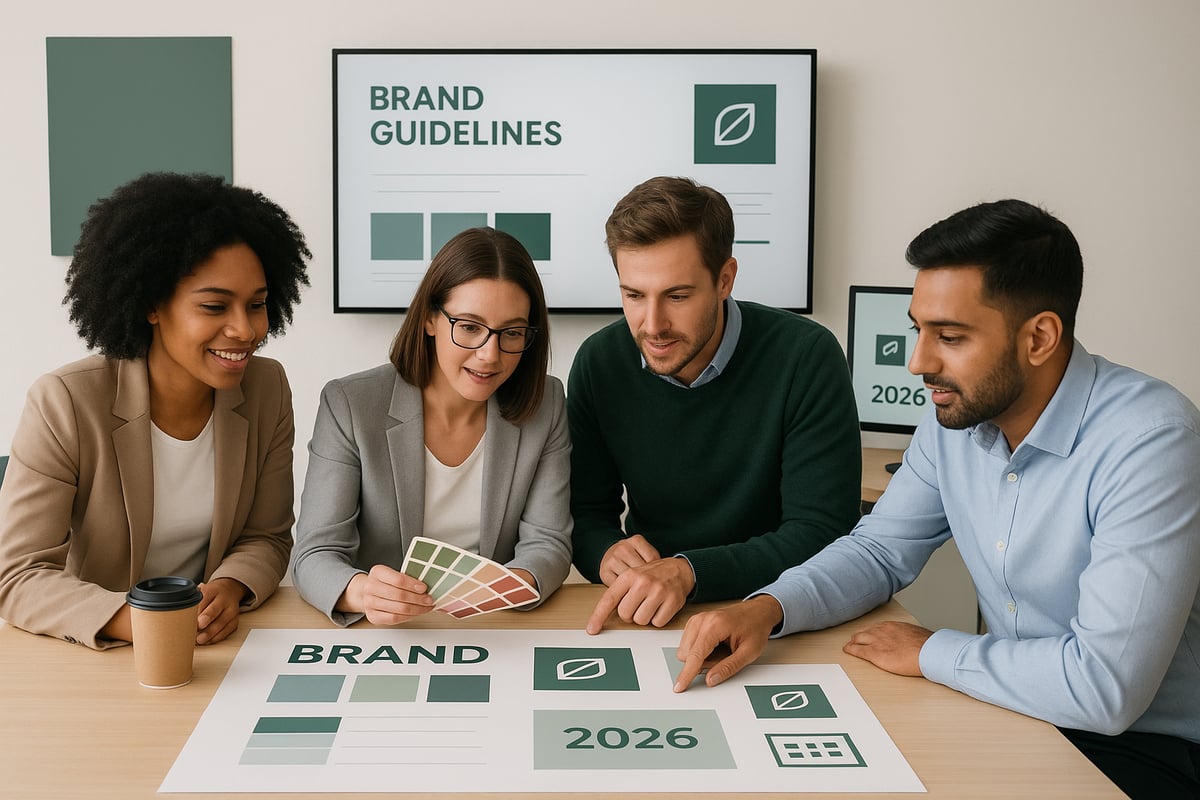
Defining Brand Alignment
To align brand in 2026 means more than matching logos across your website and packaging. It’s about creating a seamless connection between your internal culture and the messages your audience receives. When a team lives the brand’s values, customers naturally feel that authenticity.
Brand alignment is a foundation for trust and loyalty. According to Lucidpress, consistent branding can increase revenue by up to 23%. Brands like Patagonia and Apple succeed because their internal beliefs and external messaging are in sync. For a deeper dive into these foundational elements, Foundations of Brand Alignment offers valuable insight.
The Impact of a Cohesive Brand Identity
A cohesive identity makes your brand instantly recognizable and clearly differentiated in the marketplace. Whether you work in B2C or B2B, customers gravitate toward brands they can identify with and trust.
Psychologically, a unified brand look and feel creates a sense of reliability. Havas reports that 89% of consumers stay loyal to brands that share their values. Looking at brands like Nike, we see how a strong identity, maintained across every touchpoint, drives both recall and loyalty. If you want to align brand for lasting impact, cohesion is non-negotiable.
Common Challenges in Achieving Alignment
Despite the benefits, many organizations struggle to align brand effectively. Common pitfalls include siloed teams, unclear messaging, and the absence of straightforward guidelines. These issues often result in brand dilution and customer confusion.
Rapid growth or frequent pivots can further disrupt consistency. For example, when a company expands quickly without updating its brand guide, mixed signals emerge. Recent missteps by established brands have shown how quickly alignment can unravel.
The Evolving Landscape: 2026 Trends
Looking ahead to 2026, personalization, omnichannel presence, and AI-driven branding are reshaping how we align brand. The digital-first world demands brand guides that adapt across platforms and cultures.
Competitors are now leveraging technology to create more dynamic, responsive brand systems. Brands that stay flexible and future-proof their guidelines are best positioned to thrive. As the market shifts, the need for adaptable, unified brand alignment grows even stronger.
Essential Elements of an Effective Brand Guide
A strong brand guide acts as the backbone for any effort to align brand identity, especially as we move into 2026. Without a clear, accessible guide, teams drift apart, and consistency falters. Let’s break down the essential elements that keep a brand unified and memorable.
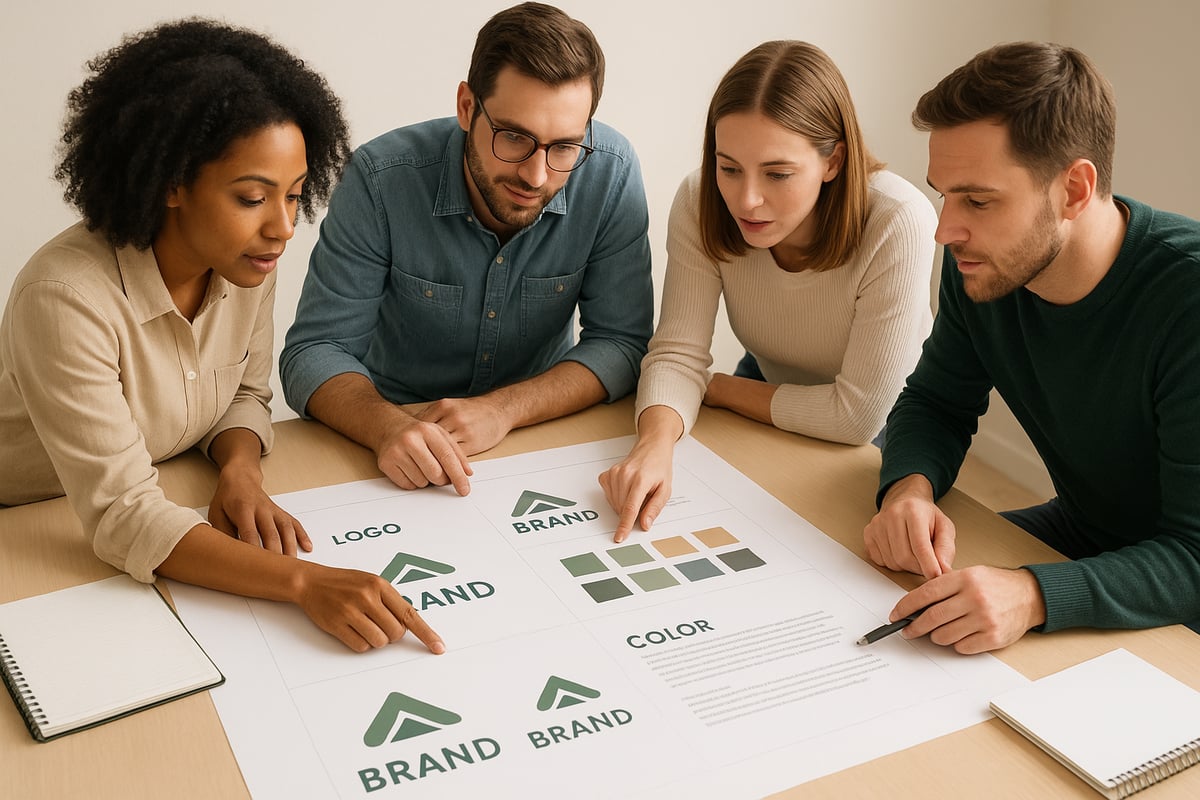
Core Components of a Modern Brand Guide
Every effective brand guide begins with the basics: mission, vision, values, positioning, and brand story. These elements do more than decorate a page; they give your team a shared sense of purpose and direction.
If you want to align brand values and actions, these must be clear and accessible to everyone. For a step-by-step approach, see Building Effective Brand Guidelines, which provides practical tips for documenting these foundations. When these components are well defined, they become the compass that guides every decision.
Visual Identity: Logos, Colors, and Imagery
Visual consistency is what helps audiences instantly recognize your brand. To align brand visuals, specify logo usage, color palettes, and imagery styles in detail.
Brands like Nike and Apple excel at this, ensuring every touchpoint feels unmistakably theirs. Studies show that consistent visual elements can improve brand recognition by 80 percent. The right visual identity makes your brand easy to spot and hard to forget.
Voice and Messaging Systems
How you sound is as important as how you look. A defined brand voice and tone create trust and familiarity. To align brand messaging, use frameworks and voice maps that guide content creators.
Consistency matters, but so does flexibility. Your core voice should adapt without losing its essence. When your messaging aligns across all channels, people know exactly what to expect from you.
Guidelines for Digital and Physical Channels
Your brand lives everywhere — online, in stores, on packaging. To align brand experiences, outline clear application rules for each channel.
Omnichannel cohesion means customers get the same brand experience, no matter where they interact with you. Brands that succeed here create seamless journeys, building trust with every touchpoint.
Step-by-Step Strategies to Align Your Brand Guide
Building a cohesive identity is a journey, not a single leap. To truly align brand presence in 2026, you need a clear, practical process. Let’s break it down into six actionable steps, each designed to create real unity from the inside out.
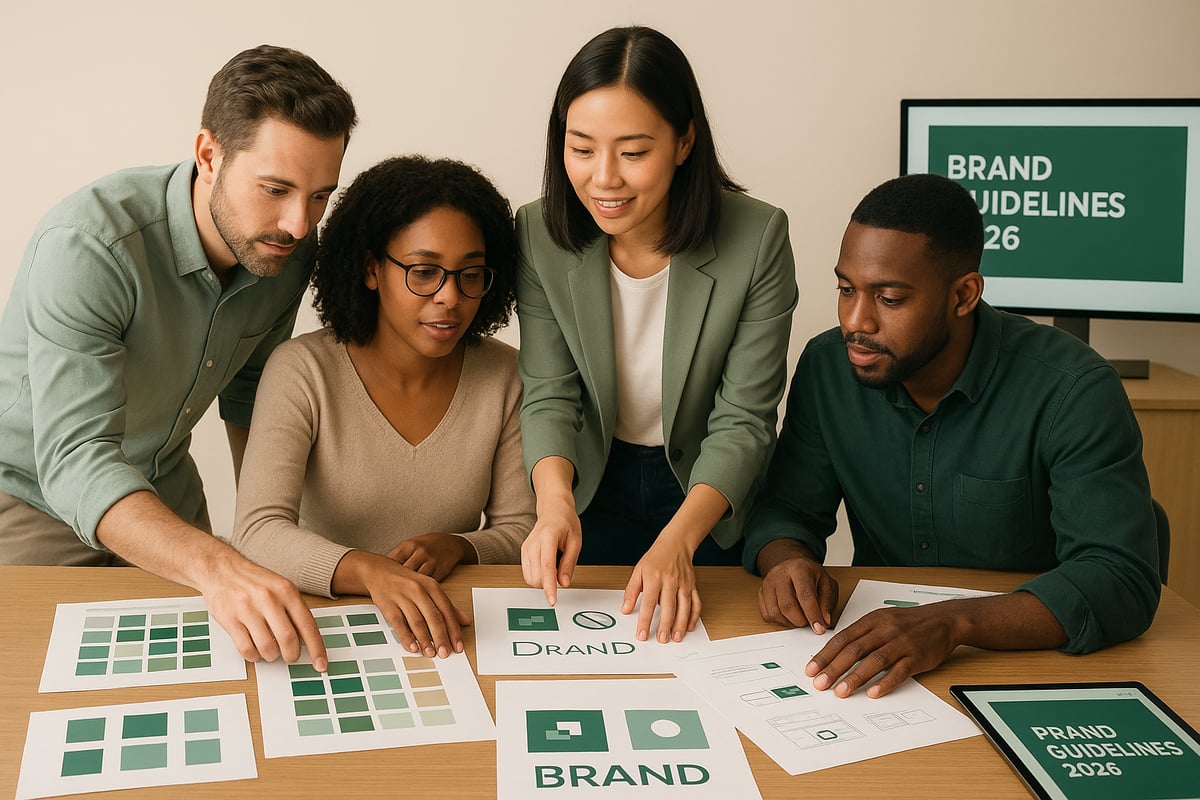
Step 1: Audit Your Current Brand Assets
Start with a full inventory. List every touchpoint — your website, social channels, packaging, ads, internal docs, and even your email signature. Notice where your align brand efforts shine and where they fall short.
Use an audit checklist:
Brands like Airbnb improved after a rigorous audit, finding small misalignments that led to bigger changes. This step is about seeing your brand as your customers do, and setting the stage for realignment.
Step 2: Revisit and Clarify Core Brand Foundations
Next, examine your mission, vision, values, and positioning. These pillars guide every align brand decision. Are they still accurate in today’s market? Do they resonate with your team and audience?
Bring leadership and key stakeholders together. Facilitate open discussions. Sometimes, a competitor’s pivot shows the need for a fresh perspective. Realignment starts with clarity at the core, so everyone moves in the same direction.
Step 3: Update Visual and Verbal Guidelines
Now, refresh your visual identity — logos, colors, typography, and imagery. Equally, update your brand voice and messaging to reflect your unique position. Clear guidelines help every team member align brand touchpoints, internally and externally.
Consider referencing Ensuring Consistent Brand Messaging for frameworks that keep your message unified across channels. Make your guide easy to access, actionable, and adaptable for real-world use.
Step 4: Train Teams and Foster Internal Alignment
A brand guide is only as strong as its adoption. Host workshops and training sessions with every department. Provide toolkits and quick-reference materials so teams can align brand actions in their daily work.
Encourage feedback and regular dialogue. Gallup reports that companies with strong internal brand alignment see a 20% boost in employee engagement. When everyone understands the brand, consistency grows naturally.
Step 5: Implement Systems for Ongoing Consistency
Consistency needs structure. Use digital asset management tools and a brand portal to give teams the right resources. Set up approval workflows for all branded content, so nothing slips through the cracks.
Schedule regular brand audits and updates. Leading brands automate these systems, making it easier to align brand assets at scale. A good system is like a safety net, catching inconsistencies before they reach your audience.
Step 6: Monitor, Measure, and Iterate
Finally, set clear KPIs for brand consistency — think NPS, brand recall, or employee advocacy. Leverage analytics and feedback from both customers and staff to spot gaps in your align brand strategy.
Make iteration a habit. The market shifts quickly, and so should your approach. Continuous improvement keeps your brand resilient, relevant, and memorable well into the future.
Ensuring Cross-Channel Brand Consistency
Consistency is the heartbeat of a memorable brand. To align brand identity across every channel, you need more than matching colors and logos. It takes intention, mapping, and a willingness to see through the eyes of your customers.
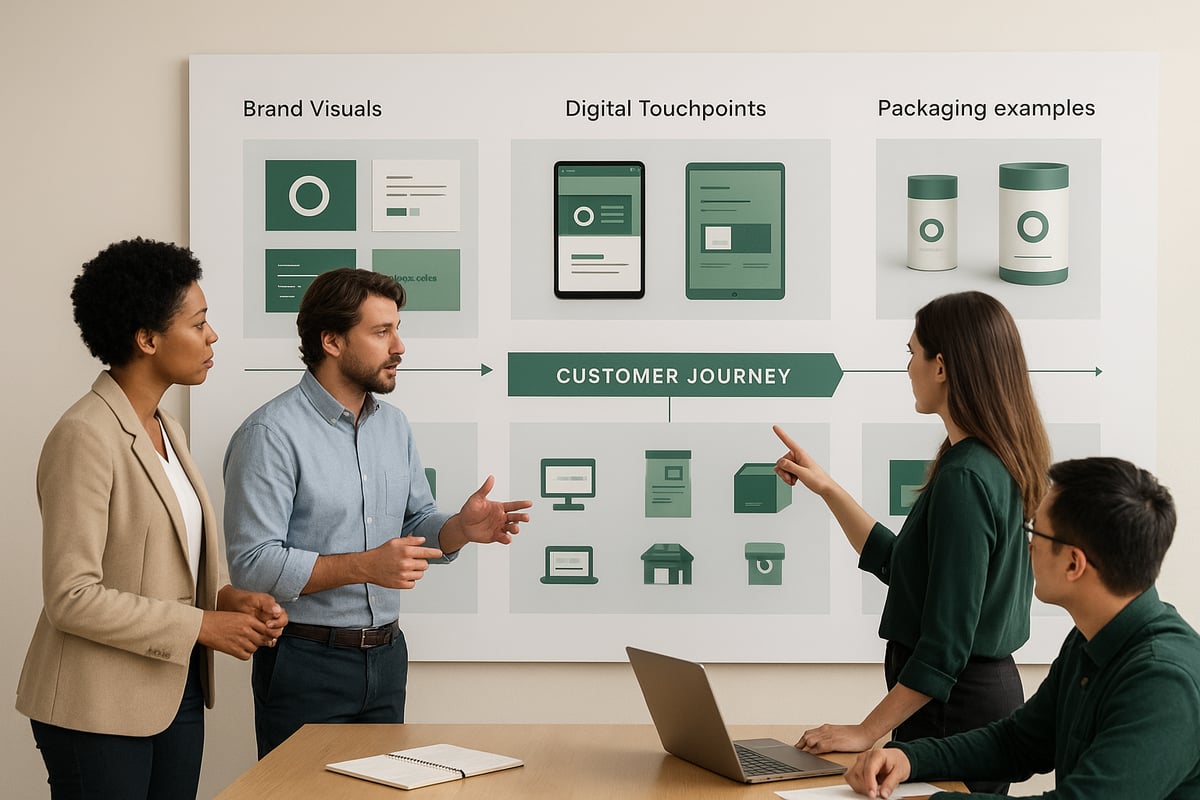
Mapping the Customer Journey
Every customer touchpoint is a moment to align brand values and voice. Start by mapping the entire journey, from first glance on social media to the post-purchase experience.
Identify where inconsistencies might sneak in. Is your website saying one thing, while your packaging says another? Are in-store experiences echoing your digital promises?
List out each step:
When you align brand experience at each stage, you create trust and recognition. Competitors who invest in journey mapping often spot alignment gaps before they become customer headaches.
Aligning Messaging Across Digital Platforms
Digital platforms are where most customers first meet your brand. To align brand voice, use a unified messaging framework that guides every post, email, and ad.
Create content calendars to plan messaging themes and tone. Share these frameworks across your team, so everyone speaks the same language.
Brands that align brand messaging digitally see fewer mixed signals and more engagement. Look at companies who use consistent taglines, visuals, and calls-to-action everywhere. This clarity builds credibility, and makes customers feel understood.
Integrating Physical and Experiential Branding
Physical touchpoints—like packaging, events, or retail—are where the brand comes to life. To align brand presence, ensure that what customers see and feel in person matches their digital experience.
Set clear rules for how your brand appears on products, signage, and in service interactions. Integrate feedback from both online and offline channels.
For more detailed strategies on how to align packaging, merchandise, and digital touchpoints, see Aligning packaging, merchandise, and digital touchpoints. When you align brand elements across every context, you create a seamless, memorable journey.
Managing Brand Alignment During Growth and Change
Growth brings opportunity, but also risk. As your company scales or pivots, it’s easy for the align brand vision to fragment. New teams, new markets, and new products can all introduce misalignment.
To stay true, build flexible systems that keep everyone on the same page. Document brand standards and revisit them as your business evolves. Encourage open dialogue, so employees feel ownership in the align brand mission.
Brands that weather change best are those who keep their identity clear, even as they adapt. Consistency in values and visuals is your anchor through every chapter.
Measuring the Success of Your Brand Alignment Efforts
Tracking how well you align brand identity is more than an exercise in vanity. It's a window into how your business resonates with people inside and outside your walls. Here’s how to measure, understand, and act on your brand’s cohesion.
Key Metrics and KPIs for Brand Consistency
When you align brand efforts, tracking the right metrics reveals if your strategy sticks. Focus on:
According to Consistent branding increases revenue by up to 33%, companies who align brand messaging see not only better recall but significant revenue growth. Regularly benchmarking these KPIs helps you spot gaps and refine your approach.
Gathering and Analyzing Stakeholder Feedback
Numbers tell one part of the story, but direct feedback fills in the gaps. To align brand experience with expectations, use:
Create safe spaces for honest feedback, both inside and outside your company. This approach surfaces blind spots and opportunities, making it easier to align brand values with real-world experiences. Small, regular check-ins often reveal more than big, infrequent studies.
Leveraging Technology for Brand Monitoring
Technology brings clarity to the chaos of modern branding. When you align brand management with the right tools, you see patterns and issues early. Try:
Automated alerts help you catch inconsistencies before they spread. Use dashboards to track trends and share findings with your team, so everyone stays on the same page.
Case Studies: Brands Excelling in Alignment
Some companies set the standard for how to align brand identity, even as they grow or shift direction. For instance, leaders like Anthropic and Figma have unified their brand and reputation strategies, building trust across every channel. According to Top companies integrating brand and reputation strategies, these brands excel by:
Their success shows that when you align brand efforts with intent and discipline, the rewards are lasting and measurable.
Future-Proofing Your Brand Guide for 2026 and Beyond
Adapting your brand guide for tomorrow means reading the signals today. The world of branding is shifting quickly, with AI, personalization, and new media rewriting the rules. To align brand strategy with what's coming, you need to stay curious and ready to evolve.
Adapting to Emerging Trends and Technologies
Staying ahead means keeping your eyes open to new tools and shifts in consumer behavior. AI-driven personalization is no longer a luxury; it is an expectation. Consumers want brands to recognize their needs and speak to them directly.
To align brand presence with these changes, update your guide with best practices for AI-generated content, dynamic imagery, and real-time feedback loops. Voice and AR interfaces are also making their way into daily brand touchpoints.
For a deeper dive into what’s coming next and how you can prepare, see 2026 branding trends and preparation strategies. Use these insights to ensure your align brand approach remains relevant and memorable.
Building Flexibility into Your Brand Systems
Rigidity is the enemy of longevity. A future-proof brand guide should allow for change without losing its core. Modular design systems and scalable frameworks help you adapt visuals and messaging as channels evolve.
Think of your brand as a toolkit, not a script. Create guidelines that are clear but not constricting. This way, as your team grows or the market shifts, you can align brand assets quickly and confidently.
Look to brands with living style guides—those that update regularly and invite collaboration. Flexibility lets you respond to trends without losing your identity.
Fostering a Culture of Brand Stewardship
A brand guide is only as strong as the people who live it. Encourage leadership and employees to be stewards of your identity. Ongoing education, open discussion, and recognition of brand champions keep standards alive.
Host workshops, share wins, and invite feedback. When your team feels ownership, they help align brand values at every touchpoint, internally and externally.
Statistics show that companies with strong internal brand culture outperform peers in engagement and loyalty. Make stewardship a habit, not a one-time initiative.
Preparing for Global and Multicultural Alignment
Growth often means entering new markets. This brings the challenge of maintaining a cohesive identity while honoring local cultures. A global align brand strategy balances consistency with thoughtful adaptation.
Localize messaging and visuals where needed, but keep the core story intact. Study successful international brands that tailor experiences without fragmenting their essence.
Create guidelines for translation, imagery, and cultural nuances. This ensures your align brand approach resonates everywhere, building trust across borders.
After everything we’ve covered—from mapping your customer journey to building a flexible, future-proof brand guide—it’s clear that a cohesive brand identity isn’t about perfection, but about honest alignment with who you are and what you stand for. If you’re ready to bring your story, vision, and lived experience into one unified voice that actually feels like you, let’s do it together.