Customize Brand Guide: Elevate Your Identity in 2026
In 2026, standing out as a business means more than a flashy logo or catchy tagline. The brands that truly shine have a clear, consistent, and personal identity that cuts through the noise.
A tailored guide is not just a nice-to-have; it is the backbone of how you show up everywhere, building trust at every interaction. If you want to customize brand identity that feels authentic and unforgettable, you need a guide that grows with you.
This article gives you the steps to build a guide that tells your story and keeps your presence strong. You will find out why brand guides matter, what essentials you need in 2026, how to make yours unique, and how to keep it current.
Ready to set your business apart? Let’s get started.
The Importance of a Brand Guide in 2026
In 2026, the rules of branding are changing faster than ever. Brands that want to stand out must do more than just look good. They need to customize brand assets and voice for a world where every touchpoint matters.

The Evolving Branding Landscape
The digital world has transformed how brands connect with people. AI-driven personalization means your audience expects a seamless experience, no matter where they find you. Multi-platform engagement is now the rule, not the exception. Your logo, colors, and messaging must adapt to websites, social feeds, apps, and even physical spaces.
Consider Airbnb, which manages to keep its identity clear whether you are browsing on mobile or walking into a branded property. The pressure to customize brand visuals and messages for each channel is intense, but the payoff is real. According to Consistent branding increases revenue by 33%, brands that maintain strong consistency see significant growth. A well-crafted guide is now the foundation for sustainable brand presence.
Building Trust and Recognition
People buy from brands they trust. Consistency is key to building that trust. When you customize brand guidelines, you give your team and partners the tools to speak in one voice and present a unified image. This alignment builds recognition and credibility.
The psychological impact is powerful. When customers see familiar visuals and hear a steady message, they feel safe. According to the Edelman Trust Barometer 2023, 81 percent of consumers need to trust a brand before making a purchase. A clear guide makes sure no matter who is communicating, your brand feels authentic and reliable.
Competitive Differentiation
Markets are crowded, and attention is scarce. A generic approach is a quick way to blend in. When you customize brand guidelines, you create space for your unique story, tone, and visuals to shine. Niche brands, for example, use distinct language and imagery to carve out loyal audiences.
Think of it as your brand’s fingerprint. A customized guide helps you define what makes you different. It keeps competitors from copying your style and ensures your message resonates with the right people. Without this clarity, your brand risks becoming invisible in a sea of sameness.
Risk Mitigation and Scalability
Clear guidelines protect your brand from costly mistakes. When everyone knows how to use the logo, what words to avoid, and which colors to pick, you reduce the risk of off-brand moments. This is essential for teams working across locations or planning to scale globally.
Brands with strong guides scale three times faster, according to Venngage 2023. When you customize brand processes, you make it easier to onboard new people, launch new products, and expand into new markets. A good guide is not just a rulebook, it is a growth tool.
Essential Elements of a 2026-Ready Brand Guide
Building a 2026-ready guide means going beyond templates. The elements you include shape how you customize brand presence for clarity, trust, and adaptability. Let’s break down what truly matters.
Visual Identity Components
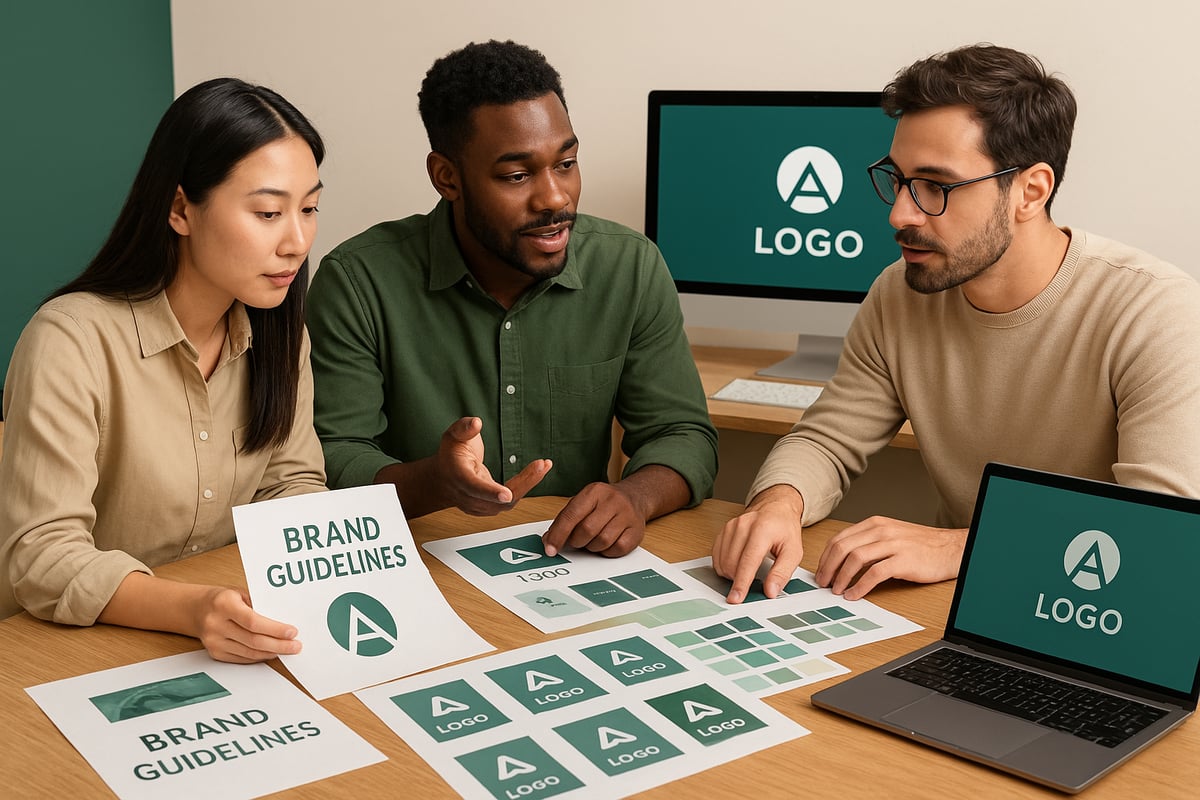
A strong visual system is the backbone when you customize brand identity. Define how your logo appears, what colors represent you, and which fonts speak your message. Set clear rules for iconography and imagery, so every asset feels intentional. For example, Spotify’s adaptive logo and color palette flex across digital spaces, keeping their look fresh yet familiar. Consistency here means recognition everywhere. When you customize brand visuals, you plant your flag in a crowded field.
Voice and Messaging Frameworks
Words carry your brand’s heart. To customize brand communication, set a tone that matches your values and audience. Craft a clear story, memorable key messages, and a tagline that sticks. Emotional intelligence is vital, especially for founder-led brands aiming for genuine connection. Nike excels here, using motivational and inclusive messaging that invites everyone in. When you customize brand voice, you make sure your story sounds like you—always.
Digital Adaptability
How you customize brand guidelines for the digital world matters now more than ever. Include rules for social media, apps, and even new frontiers like AR or voice assistants. With 72% of interactions happening digitally, your brand must flex across screens and platforms. Responsive design and omnichannel consistency are non-negotiable. When you customize brand rules for digital, you meet your audience wherever they are, without missing a beat.
Accessibility and Inclusivity Standards
To customize brand impact for everyone, bake accessibility and inclusivity into your guide. Use high-contrast colors, readable fonts, and language that welcomes all. Microsoft’s inclusive design toolkit sets a great example—ensuring no one is left out. Define standards for both visuals and messaging. When you customize brand assets with accessibility in mind, you build trust and widen your reach.
Governance and Update Protocols
A living guide is a useful guide. Set up regular reviews and invite feedback from your team. Assign clear ownership for updates and approvals. Annual stakeholder sessions keep your guide relevant as you grow. For a deeper dive on this process, see How to create brand guidelines. When you treat your guide as a dynamic tool, it will evolve with your business, not hold it back.
Step-by-Step Guide to Customizing Your Brand Guide
Customizing your brand guide is not a one-size-fits-all process. It is a journey of discovery, clarity, and intentional choices. Each step shapes how your business shows up at every touchpoint. Let us walk through the essentials to help you confidently customize brand identity for lasting impact.

Step 1: Audit Your Current Brand Assets and Messaging
Start by taking inventory. Gather all existing logos, color codes, typefaces, taglines, and messaging. Look for inconsistencies, like outdated logos on certain documents or different versions of your mission statement across platforms.
This audit is the first step to customize brand identity. It reveals what is working and where confusion may occur, setting the stage for a unified presence.
Step 2: Define or Refine Your Brand Core
Clarifying your purpose, vision, values, and positioning is the heart of the process. This is where you dig deep into what makes your business unique and meaningful.
For a practical guide on this step, explore Defining your brand concept. When you customize brand foundations at this level, you create a north star for every future decision.
Step 3: Develop Visual and Verbal Guidelines
With your core defined, set clear rules for both visuals and language. This is where creativity meets consistency.
Choose colors that reflect your energy, fonts that feel right, and imagery that speaks to your values. Shift your language to resonate with your audience. For instance, a SaaS company might move from technical jargon to customer-focused language to customize brand voice for clarity and warmth.
Step 4: Address Digital and Multichannel Needs
Your brand lives everywhere—websites, social media, apps, and more. Adapt your guidelines to ensure consistency across all these channels.
This step helps you customize brand assets for a seamless experience, no matter where your audience connects with you.
Step 5: Integrate Accessibility and Inclusivity
A modern brand guide is built for everyone. Set standards to make your brand accessible and welcoming.
Accessibility is not just a checklist. When you customize brand communication for inclusivity, you expand your reach and deepen trust.
Step 6: Create Governance Structures
Without clear processes, even the best guidelines can get ignored. Assign brand stewards or create a small team to oversee usage and updates.
Strong governance means you customize brand management for growth, not just for today, but for every stage ahead.
Step 7: Train Teams and Launch the Guide
A brand guide is only powerful when people use it. Organize workshops, digital onboarding, and regular refreshers.
Teams that are trained to customize brand delivery are more productive and aligned, leading to smoother launches and stronger results.
Kedra&Co.: Expert Support for Founder-Led Brand Messaging
If you want a partner through this journey, Kedra&Co. specializes in helping founder-led and expert-led businesses build emotionally intelligent, scalable brand guides. Our Voice Clarity Method blends psychological insight with actionable strategy, so you can customize brand messaging that feels true at every growth stage. Whether you are preparing for a major launch or a pivot, expert support means more clarity, more confidence, and more consistency.
Real-World Examples of Customized Brand Guides
The best way to understand the impact of a customize brand approach is to see it in action. These real-world examples show how companies of every size and sector use tailored brand guides to overcome challenges and fuel growth.

Tech Startups: Agile Brand Systems
A fintech startup needed to expand rapidly into new markets. By developing a modular, customize brand guide, the team adapted visual assets and messaging to local cultures without losing core identity. This agile system allowed for quick pivots and consistent launches, resulting in a 40 percent faster go-to-market time. Their brand stayed clear and connected, even as they scaled.
Consumer Brands: Emotional Storytelling
A consumer packaged goods company wanted to deepen connection with buyers. They used their customize brand guide to weave founder stories and customer testimonials into every touchpoint. With messaging pillars focused on authenticity and emotion, brand recall doubled within a year. This approach shows how a guide can transform storytelling into measurable results. For more on messaging frameworks, see Messaging pillars for brands.
Agencies and Consultancies: Multi-Client Consistency
Creative agencies often juggle diverse clients. One agency used a layered customize brand guide to maintain clarity and flexibility. Each client received a core structure plus tailored elements for their audience. This strategy, inspired by building brand clarity strategies, reduced revision cycles by 25 percent. It proved that clarity and consistency go hand in hand in a busy agency world.
Global Enterprises: Cross-Cultural Adaptation
A global retailer faced the challenge of staying relevant across continents. Their customize brand system preserved key visuals and values while allowing for local adaptations in language and campaigns. This flexible approach led to an 18 percent increase in international growth. It highlights how a brand guide can serve as both anchor and springboard for expansion.
Future-Proofing Your Brand Guide for 2026 and Beyond
The world does not stand still, and neither should your customize brand guide. As markets shift and technology evolves, keeping your brand relevant means building in adaptability from the start. Future-proofing is less about chasing trends and more about making steady, intentional updates that reflect real-world change and customer needs.
Embracing AI and Automation
Smart brands are weaving automation into their customize brand strategies. AI tools help monitor design assets and flag inconsistencies, so your team catches issues before customers do. Imagine never having to double-check if that logo is the right size or if the color palette is on point.
Automation also means your brand voice and visuals stay sharp, even as you scale. With the right systems, you adapt quickly when platforms shift or new channels emerge.
Preparing for New Platforms and Technologies
Your customize brand guide should be ready for more than just websites and social feeds. Think about AR, VR, voice assistants, and even the decentralized web. Gen Z expects brands to show up wherever they are, and that includes tomorrow's platforms.
Build guidelines that cover not just today's formats, but leave room to grow into what is next. This flexibility keeps you relevant, visible, and trusted as technology moves forward.
Continuous Feedback and Evolution
Creating a customize brand guide is not a one-time thing. The best guides are living documents shaped by feedback from your team and your customers. Schedule regular reviews, and invite honest input.
What works today may not connect tomorrow. By listening and evolving, you keep your brand guide a true reflection of your business, not just a rulebook on a shelf.
Measuring Brand Guide Impact
How do you know your customize brand guide is working? Track the basics: consistency, engagement, and revenue growth. Use tools to see where your messaging lands and where it misses.
According to Brand consistency boosts revenue by 23%, staying consistent does not just look good, it improves the bottom line. Set clear metrics and adjust as you learn what resonates.
Building for Scalability and Longevity
Your customize brand guide should grow with you. Design frameworks that support new products, teams, or markets without losing your core identity. The goal is not to restrict creativity but to give it a foundation.
When your guide is built to last, you can pivot, expand, or weather challenges with confidence. Future-proofing is about creating a brand that stands the test of time, not just the moment.
If you’ve made it this far, you know how much clarity and consistency matter when it comes to your brand. A guide that truly fits your story isn’t about following rules, it’s about anchoring everything you say and do in who you are. That’s how trust grows. If you’re ready to sound like yourself at every turn and lead with your own voice no matter where your brand goes next, let’s talk. You don’t have to do it alone.